

The Extraction Accountability Project (TEAP), a Ghanaian youth-led advocacy group, has issued a strong call for the immediate revocation of the mining license held by Mr. Godwin N. Armah, the General Secretary of the Ghana National Association of Small-Scale Miners (GNASSM) and founder of Transeco Minerals and Mining Limited.
The group is also demanding his removal from the board of the Ghana Integrated Aluminium Development Corporation (GOLDBOD), citing gross environmental negligence and a betrayal of public trust.
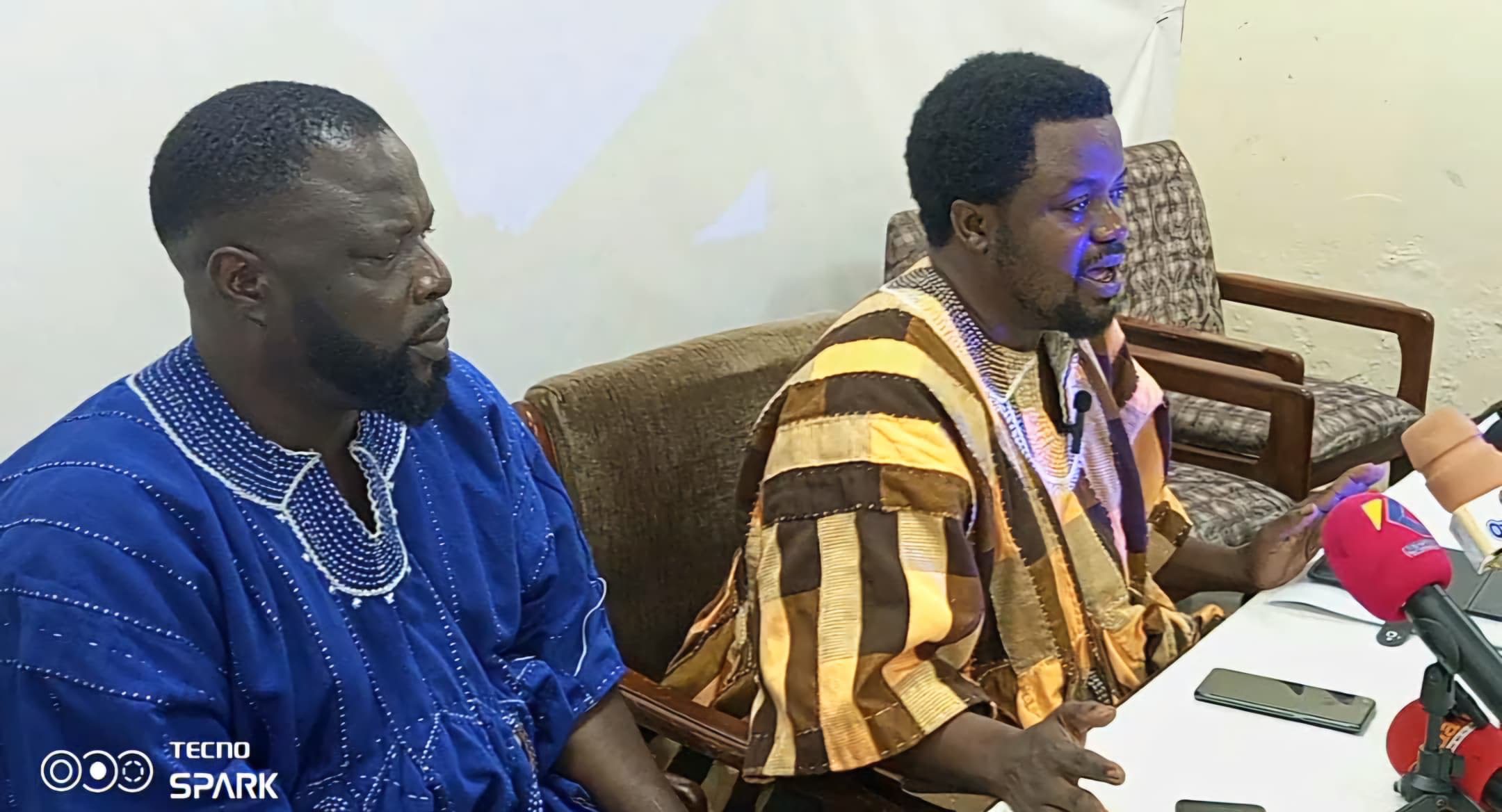
In a statement led by TEAP’s General Secretary, Charles McCarthy, the group accused Mr Armah of engaging in reckless mining activities that have left lasting scars on several communities in Ghana’s Eastern Region.
According to TEAP, mining sites operated by Mr Armah in Nsuapemso, Kyebi Adadeatem, and Osino are littered with open pits, abandoned without proper reclamation, and now pose serious risks to residents, animals, and the environment.
“We demand that the Minerals Commission immediately revoke Mr. Armah’s mining license,” McCarthy said. “He has forfeited any right to operate in our precious land. His actions contradict everything the GNASSM claims to stand for.”
TEAP expressed dismay that an individual accused of such environmentally destructive practices holds a leadership role in a body meant to regulate and promote responsible small-scale mining. The group stressed that Mr. Armah’s continued presence in the sector undermines efforts to restore public trust and implement sustainable mining practices in Ghana.
“We find it abhorrent that a man who leaves our environment in ruins should sit on a board meant to protect it,” McCarthy declared. “His appointment to the GOLDBOD board is not only inappropriate it is dangerous. It sends a signal that environmental abuse comes with no consequences.”
The group emphasized that Mr. Armah’s case is emblematic of a larger problem within the extractive sector, where individuals with questionable records are allowed to operate without accountability. TEAP warned that irresponsible mining is an existential threat to Ghana’s environment and future, and urged the government to show political will by taking decisive action.
“Our lands, forests, and rivers cannot continue to suffer at the hands of individuals who prioritize profit over sustainability,” McCarthy stated. “If we are serious about protecting the future of this country, then we must hold even the most powerful accountable.”
TEAP’s campaign forms part of a broader initiative aimed at exposing individuals and institutions that, in the group’s view, have contributed to environmental degradation across Ghana. By naming and shaming such actors, TEAP hopes to compel regulatory bodies, political leaders, and civil society to act more boldly in the fight against irresponsible mining.
“Irresponsible mining is not just a policy issue—it is a matter of survival,” McCarthy added. “The government must act now. Delayed action will only be interpreted as complicity.”
TEAP concluded its statement by reaffirming its commitment to environmental justice and sustainable development. The group urged all stakeholders, including the Minerals Commission and the Ministry of Lands and Natural Resources, to prioritize the national interest and take firm steps to safeguard Ghana’s ecological future.