
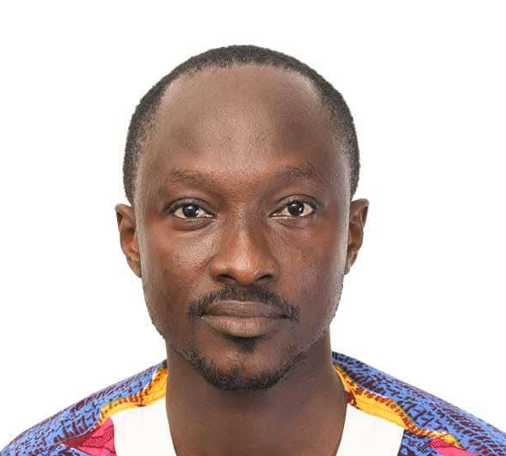

By Ebenezer SASU
Discussions surrounding the fight against illegal mining, popularly known as Galamsey, continue to dominate the Ghanaian media landscape. What has sparked the most outrage is the apparent lack of political will to tackle this “canker” head-on.
The reality is that when an issue matters to the political class, a solution is always found even if it requires deploying the full weight of state resources. However, when there is no political will, there is no way; instead, there are a thousand excuses for failing to solve even the simplest problems.
What justifies this conclusion? A typical case in point is the 2025 by-election held in Akwatia, a town in the Eastern Region, following the unexpected demise of its Member of Parliament.
Prior to election day, the Police Service assured the nation of maximum security to ensure a peaceful process, unlike previous by-elections marred by violence. That promise was kept with clinical efficiency. The Police deployed 5,500 officers to a single constituency, resourcing them with all the logistics and accoutrements needed to protect the ballots. It was even announced that the military would be on standby to intervene if the situation escalated. Because of this meticulously executed security plan, the exercise was peaceful. Yes, where there is political will, there is a way.
Sadly, this same commitment is absent in successive governments’ fight against Galamsey, a menace far more threatening to national security than a by-election. Several measures have failed, and now it seems like mere lip service.
In 2025, when the President was asked about declaring a state of emergency in areas wrecked by Galamsey, he was emphatically “reluctant,” despite calls from stakeholders who saw it as the only solution. The President argued: “I’ve been reluctant to implement a state of emergency because we’ve not exhausted the powers we already have. The laws for forest protection give us enough power to act. A state of emergency should be the last resort.”
This response was a disappointment to many who believed the President should have used his mandate more boldly, especially since he staked his presidency on this very issue. In March this year, during a meeting with Organized Labour, a complex web of traditional rulers and political appointees the President admitted the menace had “eaten into the fabric of our society,”
Politics and Galamsey: A Toxic Mix
The truth whispered across Ghana is that Galamsey is not just an environmental crime; it is a political crime. While the “small fish” are occasionally arrested and excavators burned, the financiers and political elites behind the industry remain untouched.
Powerful financiers benefit from the trade, and during election years, Galamsey hotspots become bargaining chips, and protection is offered in exchange for votes.
When power is at stake, resources suddenly appear. But when rivers are dying, farmlands are being destroyed, and children are drinking poisoned water, the urgency disappears.
Misplaced Priorities
Imagine what 5,500 security personnel could achieve if deployed to protect forest reserves or patrol riverbanks against illegal miners. Imagine if the billions of cedis spent on election logistics were instead invested in alternative livelihoods for mining communities.
The imbalance reveals a troubling national priority: votes matter more than the environment, health, or the future.
Peaceful democracy is vital, but what use is winning an election if we are losing our water bodies? What use is a parliamentary seat if the land beneath it is poisoned and barren?
Conclusion
Ghanaian elections leave us with a sobering image, thousands of officers protecting a ballot box while our rivers remain unprotected. This forces a difficult question: Do our politicians care more about staying in power than the people who put them there?
Until we see the same energy and resources invested in securing our natural resources as we saw in the Akwatia by-election, the fight against illegal mining will remain a mirage.
About author
He is a freelance writer and commentator who focuses on political, environmental, and social issues impacting Ghana, with a commitment to promoting informed dialogue and change.
Post Views: 1
Discover more from The Business & Financial Times
Subscribe to get the latest posts sent to your email.