
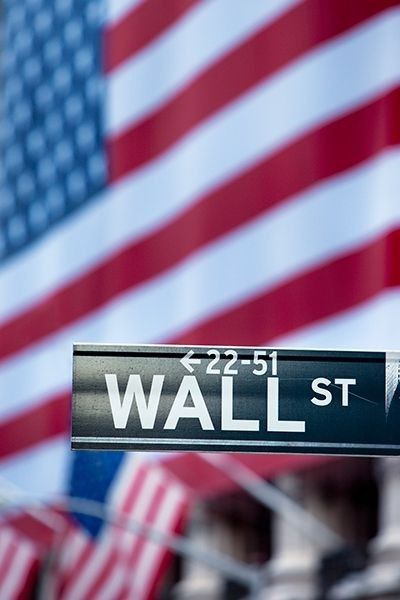

In 1997, David Bowie made financial history when he sold $55 million worth of bonds backed by his future music royalties. At the time, the move was considered eccentric, even risky. The so-called “Bowie Bonds” were treated as a curious experiment in structured finance. Today, nearly three decades later, that experiment has evolved into a multi-billion-dollar Wall Street industry — and 2025 has set a record.
According to analysis by the Financial Times, investors including Blackstone, Carlyle, and the Michigan state pension fund have collectively raised at least $4.4 billion in music royalty-backed debt this year alone, surpassing last year’s $3.3 billion and dwarfing the mere $300 million recorded in 2021. In 2020, there were no such deals at all.
From Obscure Bonds to Mainstream Finance
The model is straightforward on paper: investors buy the rights to future royalties from songs, bundle them into debt instruments, and sell them on financial markets. Repayments are funded by the steady stream of income generated when music is streamed, broadcast, or licensed.
At its core, this turns a catalog of songs — whether from Justin Bieber, Lady Gaga, or even The Beatles — into a predictable cash flow that investors can trade. In a world of uncertain markets, music royalties have become attractive because people rarely stop listening to music.
One large investor summed it up plainly: “There is so much capital in the world, an enormous amount, and that capital is asset-seeking.” In other words, with trillions of dollars chasing returns, music is the new frontier for safe but profitable investment.
Why the Sudden Boom?
Several factors explain the surge in music securitisation:
1. Streaming’s Stability – Platforms like Spotify and Apple Music have created predictable, recurring income streams that make royalties easier to model.
2. Low Yields Elsewhere – As traditional government bonds offer slim returns, investors hunt for “alternative” assets that promise higher payouts. Music royalties fit the bill.
3. Rising Catalog Values – Artists such as Justin Bieber and Bruce Springsteen have already sold their rights for hundreds of millions, normalising the practice and boosting appetite for royalty-backed deals.
The Artist’s Dilemma
For artists, securitising royalties presents both opportunities and risks.
Upfront Windfall – Instead of waiting years for earnings, they can receive a lump sum immediately, which can be reinvested or used to secure their financial future.
Loss of Long-Term Control – Once rights are sold or securitised, the artist loses influence over how their music is used commercially.
The Legacy Question – For estates, such as those of older legends, the move ensures heirs are paid now, but future generations may miss out on royalties that could grow over decades.
Leila Djansi’s recent caution about YouTube’s saturation reflects the broader theme: distribution channels are changing rapidly. For artists, trading future earnings for certainty today is both a hedge and a gamble.
Wall Street’s New Favorite Playlist
For Wall Street, the appeal is simple: music royalties act like a reliable income machine. People may stop buying certain products or stocks may collapse, but “Let It Be,” “Sorry,” or “Bad Romance” will still be streamed thousands of times a day. That stability makes royalty-backed bonds a safer bet than many traditional financial instruments.
What started as Bowie’s visionary gamble has now become a mainstream investment product — one that is reshaping both the music business and financial markets. The line between cultural heritage and capital markets has blurred, and the songs that once defined generations are now powering pension funds, hedge funds, and private equity giants.
The Future of Music Finance
With $4.4 billion already raised in 2025, it is clear this trend is accelerating. Analysts predict that as long as streaming remains dominant and catalog valuations stay strong, securitised royalties will expand into a permanent fixture of Wall Street’s portfolio.
For music fans, this may feel strange — beloved songs are no longer just cultural treasures but collateral. For artists, it is both a blessing and a bargain. And for investors, it is proof that in a world overflowing with capital, even music can be turned into a bond.