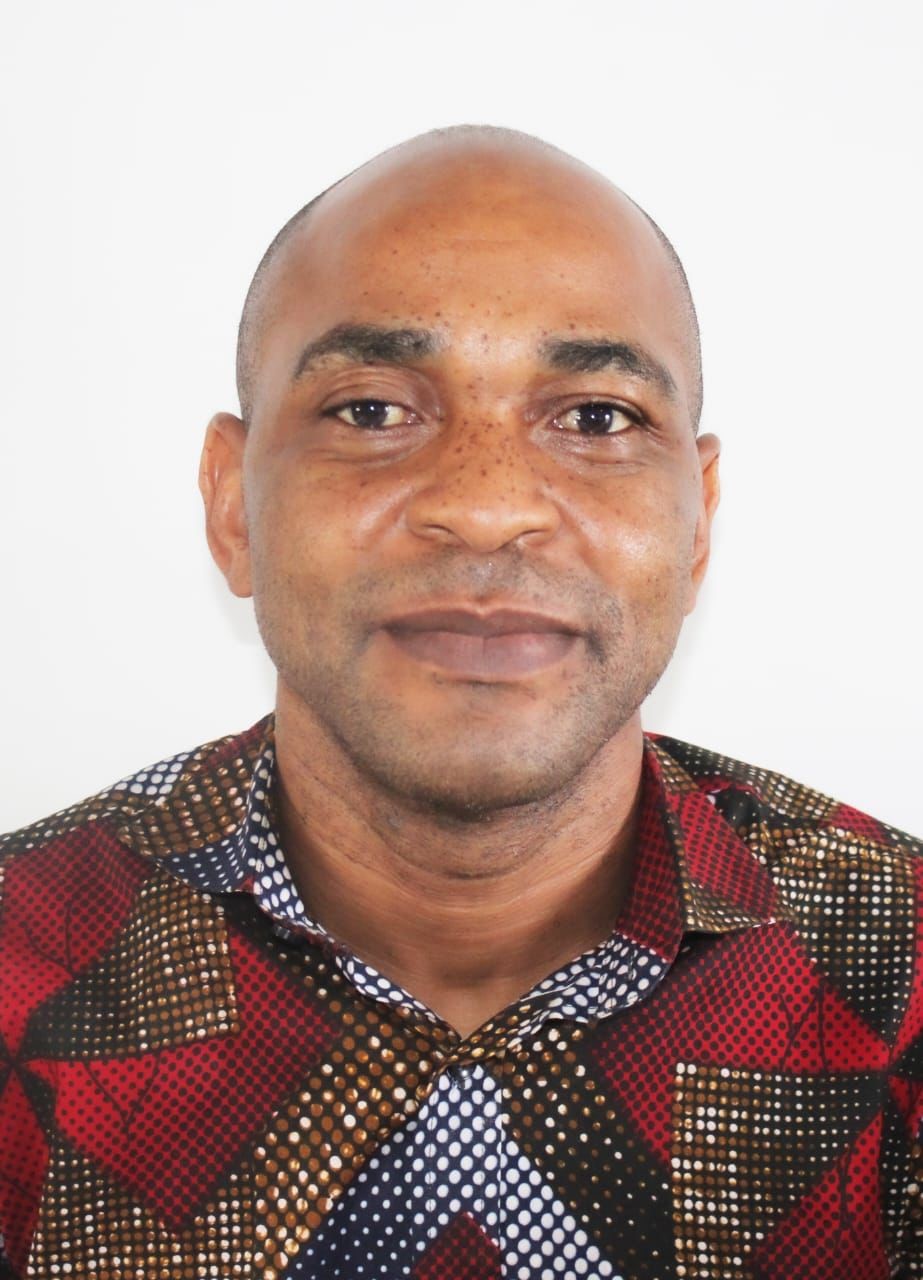
By Michael Kofi Fosu
Water is the very definition of a basic necessity of life. Whether flowing into a glass for human consumption or into a trough to keep livestock alive, it serves a singular, foundational biological purpose: survival. Yet, in Ghana today, utility consumers are waking up to a harsh reality in which water — a resource this country is naturally blessed with — has suddenly become more expensive than electricity for many productive enterprises.
This is not a story of resource scarcity. It is a story of regulatory failure, blunt bureaucratic classifications, and an inequitable system that forces innocent citizens to pay for environmental crimes they did not commit.
The trap of blanket reclassification
Consider the reality of running a small-scale poultry farm housing 1,500 birds in the Kpong District, within the service area of the Ghana Water Company Limited (GWCL). For a considerable period, the operation ran smoothly under a domestic billing tier — Category 611. Then came a sudden, non-negotiable reclassification. The GWCL shifted the farm to a commercial category — Category 612 — without any bespoke evaluation of how the business actually uses water.
On paper, the bureaucratic logic is straightforward: a business pays commercial rates. In practice, applying blanket category shifts without examining the nature of water use is economically destructive. A poultry farm using water strictly for livestock consumption cannot rationally be treated the same as a manufacturing plant or a commercial enterprise selling processed goods at a premium. The chickens must drink to survive. Water here is not being packaged and resold; it is sustaining life.
The financial fallout of this arbitrary reclassification is striking. In March 2026, a consumption of 56,000 litres under Category 611 cost GH₵634.79. In April 2026, for the exact same volume, the bill shot up to GH₵1,853.13. By May 2026, the bill had climbed to GH₵3,489.87 — a near-tripling in cost in the space of two months, representing a 192 per cent increase, with not a single additional drop consumed.
This is no longer a price adjustment. It is an aggressive financial penalty on local agricultural
production.
Buck-passing between regulator and utility
When the farm’s operator sought formal clarification from the Tema Regional Office of the GWCL, the response was a textbook display of institutional buck-passing. The Regional Commercial Manager advised that the Public Utilities Regulatory Commission (PURC) sets baseline pricing, effectively directing the consumer to carry grievances elsewhere.
The true shock, however, came at the regulator’s doorstep. Upon submitting a formal petition to the PURC, a conversation with officers revealed the underlying justification for these tariff rises: illegal artisanal mining — galamsey.
The logic presented was that because illegal mining is actively destroying Ghana’s major water bodies, the cost of chemicals required to treat heavily polluted water has skyrocketed, forcing the state to pass those expenses down to the consumer through higher utility tariffs.
It is a convenient explanation. It is also a deeply unjust one.
A geographically blind penalty
The poultry farm in question draws its water from the Volta Lake — a water body that is not, by any credible assessment, affected by the illegal mining activities ravaging rivers and streams in other parts of the country. There is no galamsey destroying the Volta Lake. And yet, the farm is being made to pay what amounts to a galamsey tax for pollution it did not cause, in a waterway that has not been polluted.
Why must a farmer operating in a clean, legally compliant environment be compelled to subsidise the cost of water treatment for rivers degraded hundreds of kilometres away? The state is ostensibly fighting galamsey, yet the economic ripple effect of that failure is being borne by legitimate food producers and ordinary citizens whose only offence is consuming utility services in good faith.
If treating polluted water is truly costing the state a fortune — and there is good reason to believe it is — then the recovery of those costs must be directed strategically, not indiscriminately. Punitive utility tariffs, if they are to serve any rational public purpose, ought to be localised to the districts and communities where illegal mining is actively taking place.
That approach would achieve something the current blanket model entirely fails to do: it would create an immediate, powerful community incentive to identify, expose, and drive out the illegal miners — whether they are local citizens or foreign operatives. Instead, by spreading the financial misery nationwide through indiscriminate category shifts and tariff hikes, the state effectively insulates perpetrators from the localised community pressure that could accelerate enforcement.
A threat to food security
The human cost of this policy failure goes beyond one poultry farm. Across Ghana, small-scale agricultural producers — livestock farmers, market gardeners, fish farmers — rely on affordable utility access to keep their operations viable. When regulatory bluntness makes it more expensive to water chickens than to power a farm, the immediate casualty is not an abstraction. It is a constraint on local food production, upward pressure on retail food prices, and the gradual erosion of the agricultural base that national food security depends upon.
It is profoundly unacceptable that the productive population must absorb financial hardship whilst a small cohort of individuals ruins the natural environment for personal gain. The PURC and the GWCL have both a regulatory and a moral obligation to do better.
They must abandon automated, one-size-fits-all billing classifications in favour of a more intelligent, case-by-case evaluation framework — one that distinguishes between a commercial bottling plant and a poultry farmer keeping chickens alive, and calibrates tariffs accordingly. Agricultural water use, particularly where water is consumed rather than processed or resold, warrants its own protected category that reflects its essential role in food production.
The state cannot continue to penalise the legitimate economy for failing to discipline the criminal one. If government cannot stop the destruction of our water bodies, it should at minimum refrain from destroying the local businesses that are working to feed the nation.
Michael is Chief Executive Officer of the International Trade Finance and Payment Consultancy (ITFP), specialising in import and export trade finance, asset recovery, project financing and financial intermediation.
He is a registered member of the International Trade and Forfaiting Association (ITFA), Zurich, and is affiliated with the Financial Times and Global Trade Review in the United Kingdom. ITFP serves as Ghana’s gateway to global trade finance advisory services.
He also represents ITFP within ITFA.
Email: [email protected]
Post Views: 51
Discover more from The Business & Financial Times
Subscribe to get the latest posts sent to your email.