
AAK, a globally recognised leader in plant-based oils and fats production with a long-standing presence in the West African shea industry, has called for stronger regional coordination and resilience across the shea value chain, as critical priorities for unlocking the full economic potential of the sector.
This position was further reinforced at the 18th Annual Conference of the Global Shea Alliance, held in Accra last week, under the theme “Beyond Borders”. In attendance was the Vice President Professor Jane Naana Opoku-Agyemang, alongside a high-level gathering of diplomats, policymakers, industry leaders, financiers, business executives, technical experts and development partners from across West Africa and beyond.
In her opening remarks, Professor Opoku-Agyemang, emphasized the structural imbalance within the sector, particularly at the base of the value chain, and called for measures to address the challenge.
“Women dominate the shea value chain from nut collection to primary processing, while supporting families and communities across the country. Women need to benefit more from the value they create. Addressing this imbalance is not only a matter of equity, but essential for improving productivity and ensuring the sector’s long-term sustainability,” she said.

Participants emphasised the need to strengthen intra-African trade, particularly within the framework of the African Continental Free Trade Area (AfCFTA), as a pathway to scale processing, improve competitiveness and retain more value within the region.
AAK, one of the world’s leading producers of shea-derived ingredients, contributed to high-level discussions on global market trends, supply chain traceability and the long-term outlook for shea within the broader oils and fats industry. The company highlighted the increasing importance of reliability, quality consistency and sustainability in meeting evolving global customer requirements.
Drawing on its extensive sourcing footprint across the West African shea belt, AAK emphasised that the future competitiveness of the industry will depend on how effectively the region transitions from fragmented national systems to a more integrated, cross-border value chain.
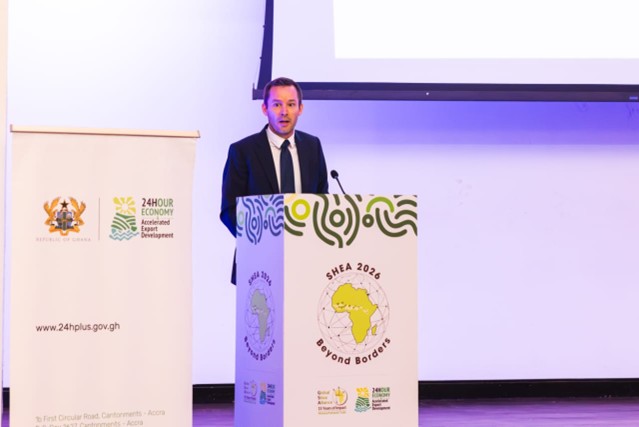
Mr. Lasse Skaksen, Vice President and Head of AAK West Africa, noted in his opening remarks that even though the fundamentals of the sector remain strong, stability and greater alignment are required to ensure continued growth. “Driving the transformation of shea remains a shared responsibility.
Private sector must continue to invest; Governments must continue to create a stable, predictable and enabling environment for investors. Together, we must advance a shared agenda that benefits every stakeholder: strengthening long-term trust in shea and reinforcing its competitiveness as a global ingredient, especially amid growing pressure from shea alternatives. At AAK we are determined, and have been since 1958, to secure the resilience of shea, and together with the rest of the industry, we will continue to invest,” he said.
AAK also reiterated the importance of strengthening the foundational layers of the value chain, particularly through sustained investment in women collectors, improved logistics, and greater access to financing. Through its Kolo Nafaso programme, the company continues to work directly with over 275,000 women across the region, supporting capacity development, responsible sourcing practices and market access.
The conference concluded with a renewed call for stronger collaboration between governments, private sector actors and development partners to accelerate investment, enhance policy alignment, and position West Africa as a global hub for value-added shea production.
AAK’s participation reflects its continued commitment to supporting the transformation of the shea industry from a largely raw commodity-driven sector into a more integrated, value-driven and sustainable pillar of regional economic growth.
Post Views: 19
Discover more from The Business & Financial Times
Subscribe to get the latest posts sent to your email.