By Nana Karikari, Senior Global Affairs Correspondent
The African Export-Import Bank and the African Petroleum Producers’ Organisation have formally established the Africa Energy Bank with an initial authorized capital of $5 billion (approx. GH₵58.2 billion), according to a joint statement released on Saturday.
The new multilateral institution enters the global financial landscape to address a widening financing gap as traditional international lenders progressively withdraw capital from fossil fuel projects across the developing world. Despite shifting global climate priorities, oil and gas resources remain deeply central to energy security, industrialization, and revenue systems across Africa.
Leadership Structure and Capital Framework
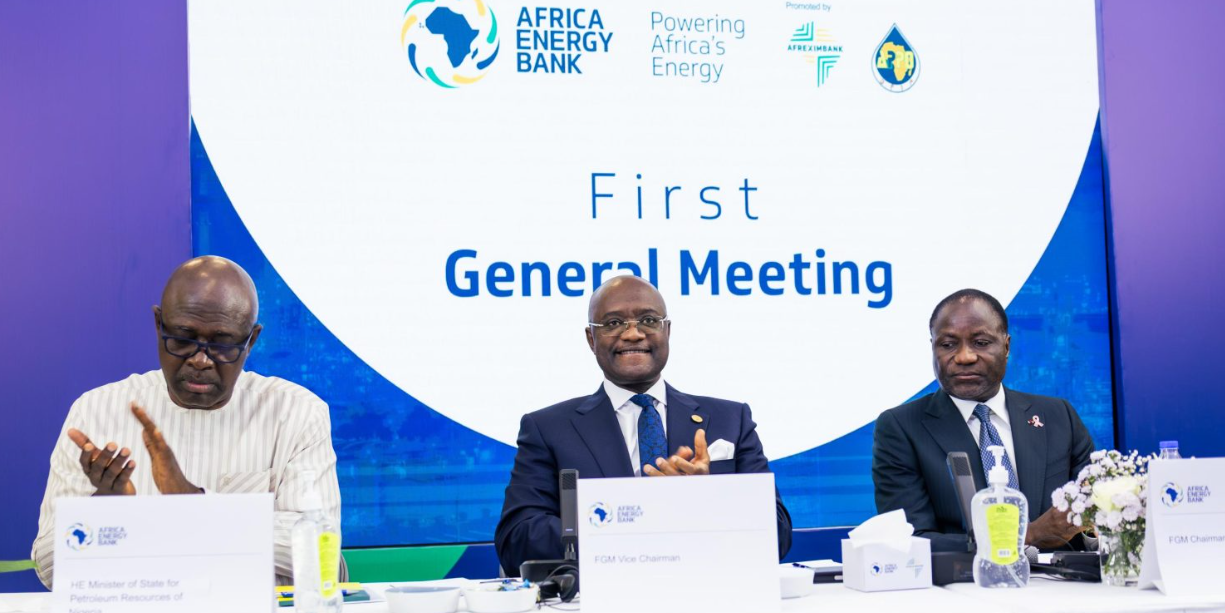
At the bank’s inaugural general meeting held in Abuja, Nigeria, shareholders passed resolutions appointing Egyptian banker Helmy Ghazi as its first president. The assembly also officially constituted the bank’s initial board of directors.
Organizers designed this capital framework to build financial autonomy across African markets, ensuring that local energy developments maintain access to structured liquidity regardless of shifts in Western commercial banking mandates.
Operational Mandate Across the Value Chain
The primary mandate of the Africa Energy Bank focuses on supplying targeted capital across every segment of the energy sector. Financing will directly back upstream exploration and production efforts, midstream refining operations, and downstream distribution infrastructure.
Joint official statements emphasized the broader economic strategic imperative behind the founding. The establishment of the bank underscores that “significant investments in energy generation and transmission are required to accelerate industrial growth and leverage the tremendous opportunities presented by emerging technologies, particularly artificial intelligence (AI)”. Financial leadership further stressed that “the Africa Energy Bank aims to bridge this financing gap while supporting a just energy transition for African countries”.
Long-Term Growth and Asset Targets
Continental energy investment requirements currently stand at an estimated $200 billion (approx. GH₵2.33 trillion). To meaningfully address these requirements over time, financial organizers have set an ambitious long-term objective to expand the bank into a major balance-sheet powerhouse, targeting an ultimate asset base of $120 billion (approx. GH₵1.40 trillion).
Expansion plans also extend to broad geopolitical participation across the continent. Non-member nations of the African Petroleum Producers’ Organisation, including South Africa, have signaled strong interest in participating, highlighting a shared interest in sovereign energy independence and regional financial resilience.
Sovereign Implications for West African Energy Markets
For oil-producing nations across West Africa, including Ghana, the emergence of a dedicated continental lender provides a critical financial backstop for domestic energy infrastructure. By securing independent funding mechanisms, regional economies can safeguard ongoing field developments, bolster local refining capacity, and manage energy transition timelines on terms tailored directly to African development priorities.