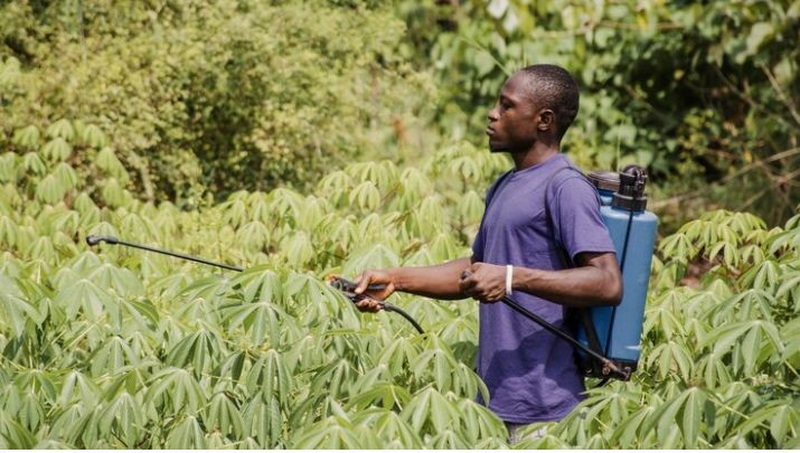
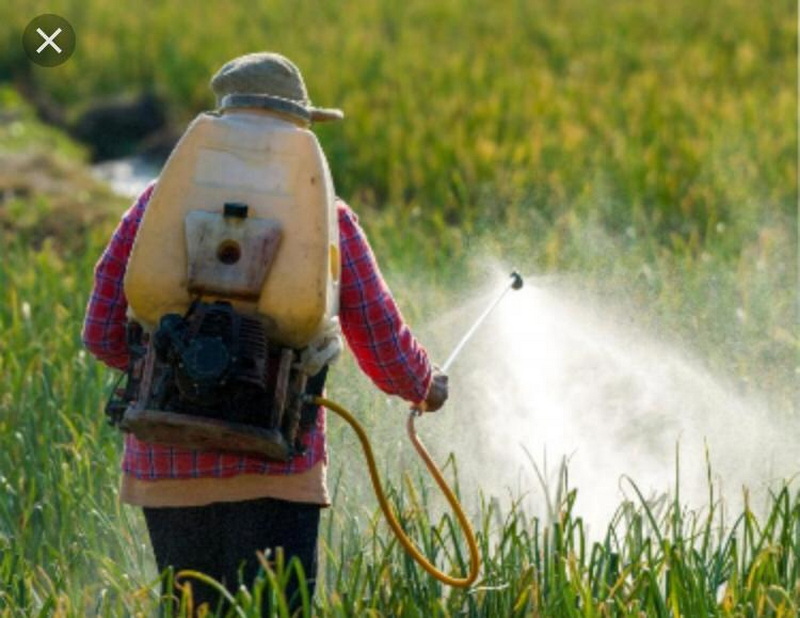
A Senior Lecturer at the University of Ghana School of Public Health, Mr. John Arko Mensah, is warning farmers to wear nose masks and protective equipment when spraying chemicals, saying exposure to pesticide drift is making farmers sick and contributing to air pollution-related illnesses in Ghana.
The warning comes as research shows most Ghanaian farmers do not use protective gear. Health experts link chemical exposure to respiratory illnesses, cancer, and other long-term diseases.
With air pollution causing an estimated 28,000 deaths yearly in Ghana, experts say simple measures like masks and best spraying practices could save lives.
Ghana’s agriculture sector relies heavily on pesticides and herbicides to control pests. But studies from UDS and UG show that direct contact and inhalation during spraying are common. The World Health Organization also lists ambient air pollution as a leading cause of premature death in Ghana.
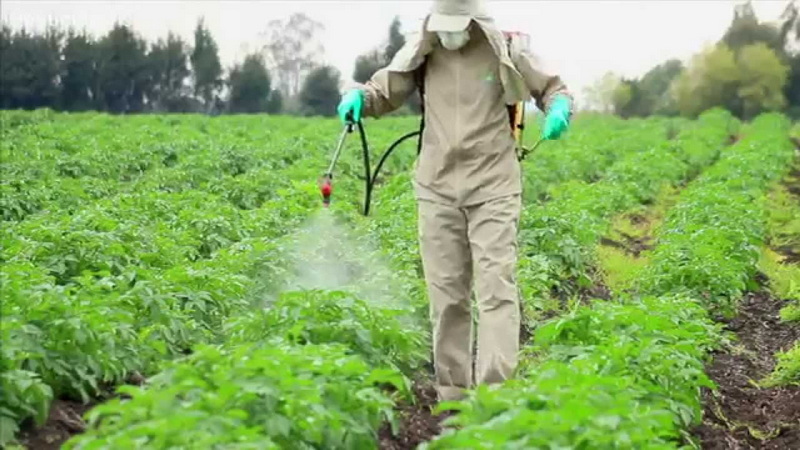
“Chemicals Are Killing Slowly”
Speaking to Adom News on air pollution and rising deaths in Ghana, Mr. Mensah said chemicals from pesticide sprays enter the air and pose serious health risks.
“Chemicals from pesticide sprays enter the air and cause air pollution, which can affect farmers’ health through cancer and heart illness. This can kill slowly,” Mr. Mensah said.
He warned that direct exposure without protection is dangerous, and runoff can also contaminate water sources.
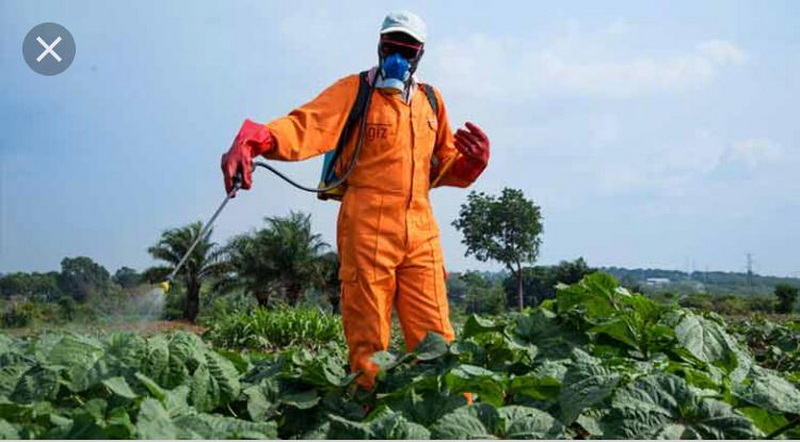
“The air contamination in the area where the farm is located is dangerous. The river closer to the farm gets contaminated, and people will fetch the water and drink, which is not good,” he added.
According to him, a preliminary study done by one of his students at the Ankobra River detected chemicals in the water from pesticides spraying.
“Farmers should put on protective equipment before spraying crops or cocoa farmlands. Exposure to pesticides over the years will give them cancer and affect their DNA. The cognitive effects are equally dangerous. Pesticides should be used well,” he cautioned.
A study of vegetable farmers in the Central Region in 2020 found pesticide exposure linked to symptoms such as headaches, coughing, skin rashes and dizziness, with farmers often lacking protective gear.
Former Secretary of the Peasant Farmers Association, Mr. Charles Nyaaba, is also urging farmers to adopt best practices.
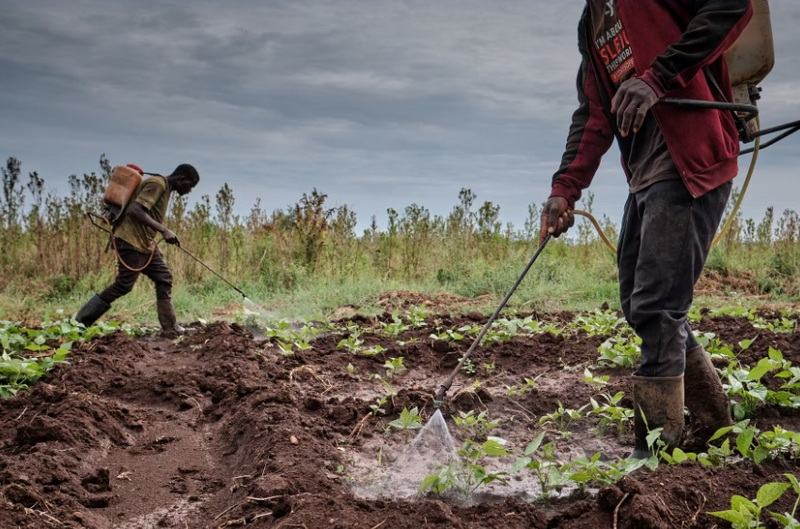
“Farmers should spray early in the morning or late evening when there is less wind. Avoid spraying against the wind, and always use nose masks, gloves and boots,” Mr. Nyaaba advised.
He said he has seen the effects first-hand.
“I have personally applied pesticides, and I felt headache, dizziness, nausea and vomiting. I have also seen some farmers who have used pesticides for years develop several cancers, especially from inhaling the chemicals. Eye irritation is also common,” he noted.
Mr. Nyaaba added that air pollution from spraying may not affect only the farmer.
“The air pollution may not affect only the farmer but community members around,” he said.
Some farmers in the Volta Region said spraying without nose masks has given them headaches and skin diseases.
In Ashaiman, farmers said the unprotected use of Weedicide has led to poisonings, with the youth and elderly most affected.
Emmanuel Asare, a farmer at Ashaiman, said:
“Most farmers do not want to wear the protective gear because it generates a lot of heat. But that is the best for spraying. We are calling on the government to provide us with protective jackets, gloves, face masks and drones for spraying. They should also give us more education on the use of pesticides and weedicides.”
Mr. Stephen Kadre, Chairman of the Ashaiman Left Bank Rural Farmers Association, also appealed to government.
“We are about 130 farmers working on 200 acres. Many of us do not have protective gear. Government should provide us with drones to do our chemical spraying. It will help us use the chemicals wisely so that consumers will not be affected,” Mr. Kadre appealed.
Both Mr. Mensah and Mr. Nyaaba are calling for more training and sensitisation so farmers can increase food production without sacrificing their health.
With WHO estimating 28,000 premature deaths annually from air pollution — with agricultural burning and chemical drift among the contributors — health experts say protecting farmers must be treated as a public health priority.
This story was a collaboration with New Narratives, with funding from the Clean Air Fund. The donor had no say in the story’s content.
DISCLAIMER: The Views, Comments, Opinions, Contributions and Statements made by Readers and Contributors on this platform do not necessarily represent the views or policy of Multimedia Group Limited.
DISCLAIMER: The Views, Comments, Opinions, Contributions and Statements made by Readers and Contributors on this platform do not necessarily represent the views or policy of Multimedia Group Limited.
Source link