

By Marcella Mwinkoma Babing
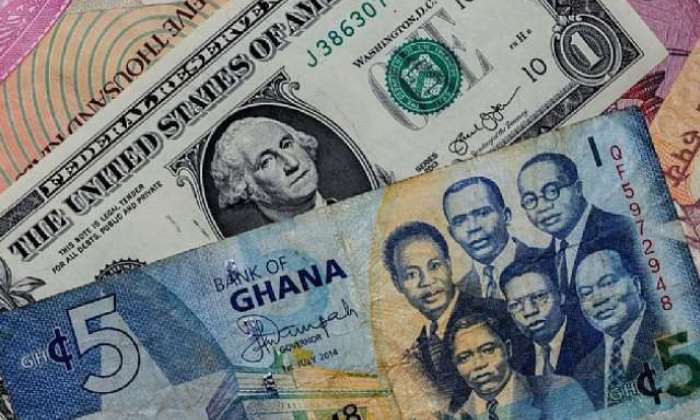
Ghana’s cedi has recorded marginal gains against the US dollar on the interbank market for the second consecutive week, supported by improved foreign exchange liquidity. Market watchers estimate the appreciation at just under 1 per cent, offering some relief after sustained pressure on the currency since the third quarter.
The pressure has been linked to increased demand for dollars by businesses financing imports ahead of December, as well as energy-related payments by the Bank of Ghana for crude oil and finished petroleum products.
The recent recovery has been attributed partly to increased foreign exchange support, particularly dollar sales by the Ghana Gold Board (GoldBod). On Tuesday, GoldBod sold US$197 million to commercial banks at GH¢11.70 to the dollar and participating banks received the full amount it requested, easing demand pressures and raising expectations of further gains for the cedi.
The sales, conducted through GoldBod’s GoFX platform, complement measures by the Bank of Ghana to improve liquidity in the foreign exchange market. They are also part of GoldBod’s plan to supply US$1 billion to commercial banks under revised arrangements for foreign exchange receipts from gold exports in the artisanal and small-scale mining sector.
Some commercial banks expect the cedi to remain fairly stable if the improved liquidity support is sustained. However, a stronger currency does not automatically mean an immediate reduction in prices.
Exchange-rate gains usually pass through to retail prices with a delay, depending on how businesses buy, price and replace their stock. Importers and wholesalers may still be selling goods purchased when the dollar was more expensive. Reducing those prices immediately could mean selling below the cost of replacing the goods.
Ghana’s inflation figures offer part of the explanation. Data released by the Ghana Statistical Service on October 8 showed that year-on-year consumer inflation rose slightly to 5.2 per cent in September, from 5 per cent in August. Although inflation is considerably lower than it was a year earlier, prices are still rising overall.
Inflation measures how quickly prices change; it does not mean that goods have returned to previous price levels. When inflation falls, prices may continue to rise, but at a slower rate.
Other costs can also keep prices high. Transport, rent, electricity, wages, taxes, financing, storage and local distribution may remain unchanged even when imported inputs become cheaper. For food products, domestic production, seasonal shortages and transportation can matter as much as the exchange rate. The Ghana Statistical Service identified fresh tomatoes, rent and services among the key contributors to September’s inflation.
Businesses may also wait to see whether the cedi’s gains are lasting before adjusting prices. Where competition is strong, lower costs may be passed on more quickly. But firms facing limited competition may use the savings to rebuild margins or absorb earlier losses.
The pass-through is therefore likely to be gradual and uneven. Imported goods with short inventory cycles may respond sooner than products bought under long-term contracts or sold through several layers of distribution.
For importers and retailers, the test will be w
A sustained improvement in the exchange rate could moderate the cost of imported goods and support business planning. However, the benefit will depend on continued foreign exchange supply, global market conditions, domestic operating costs and the durability of the cedi’s recovery.
Ghana’s recent currency gains offer a reason for cautious optimism, but a stronger cedi is not, by itself, a guarantee of lower prices.
My question is if the cedi continues to strengthen, how long will Ghanaians have to wait before lower replacement costs and stronger competition begin to show up in their everyday spending?