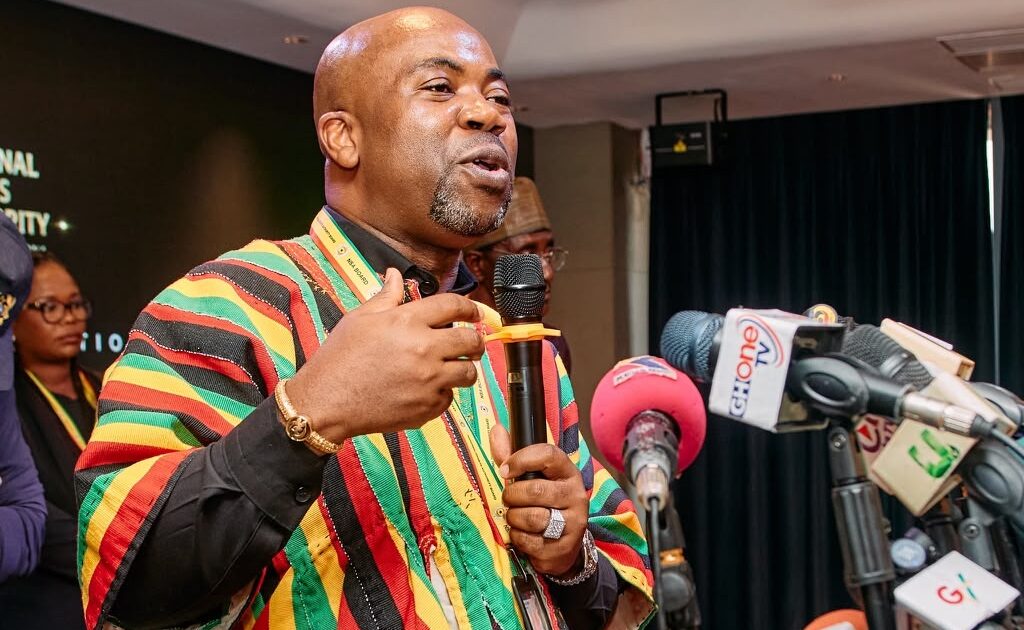
The Chair of the National Sports Authority’s Resource Mobilisation and Partnership Committee, Samson Deen, says the proposed Constituency Games could become a key pillar of President John Dramani Mahama’s Reset Ghana sports agenda.
Mr Deen believes the nationwide initiative will help take organised sport, talent identification and development opportunities beyond Ghana’s major cities and into communities across the country.
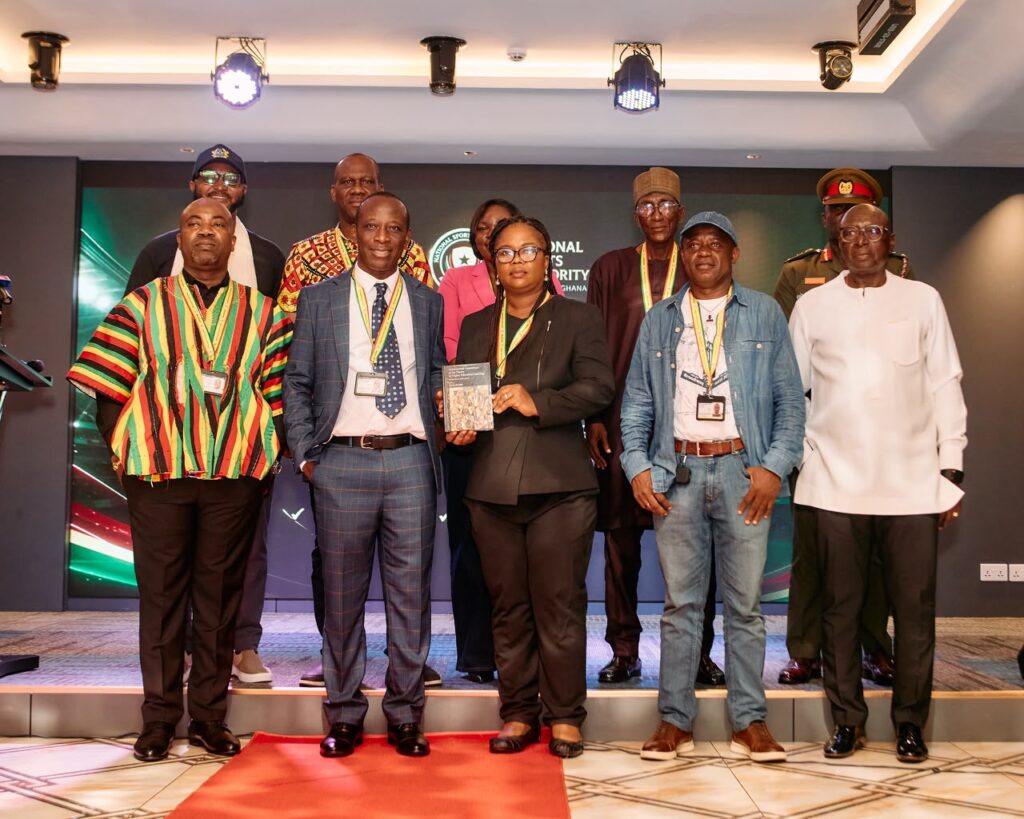
Speaking at the inauguration of the NSA Resource Mobilisation and Partnership Committee in Labone, Accra, he said the programme could provide a structured pathway for talented athletes from the community level to regional and national competition.
“The Constituency Games represent a decisive pillar of President John Dramani Mahama’s Reset Ghana Sports Agenda,” Mr Deen said.
“It is a truly national programme designed to ensure that Ghanaians in every constituency—not only those in the major cities – benefit from organised sport, talent development and new economic opportunities.”
The proposal has received institutional backing from the Office of the President.
In a letter dated 3 September 2025 and addressed to the Minister for Sports and Recreation, Chief of Staff Julius Debrah stated that the Presidency was “in support of the organization of the Constituency Games”.
The letter also asked the Ministry to coordinate the programme to ensure the Games take off as planned and offered further assistance from the Office of the Chief of Staff where necessary.
Mr Deen said the initiative could support several of the government’s broader sporting priorities, including grassroots talent identification, scholarships, sports academies, centres of excellence and pathways into national teams.
Under the proposed framework, athletes would begin at constituency-level competitions before progressing to regional championships and national finals.
Outstanding performers could then be linked to scholarships, academies, training camps, centres of excellence and national-team development programmes.
Mr Deen said the initiative should also provide opportunities for women and girls, persons with disabilities and athletes competing in sports beyond football.
He proposed the creation of a national digital talent database to track athletes’ performances, sporting disciplines, educational status and development history.
The system, he said, could allow recognised sports federations, coaches and scouts to monitor promising athletes beyond the competition period and ensure that talent identification becomes a continuous process.
Mr Deen also called for former national athletes to be integrated into the programme as coaches, scouts, mentors, technical advisers and administrators.
He said their experience could play an important role in developing the next generation of Ghanaian athletes.
The Constituency Games could also create economic opportunities within communities, with events expected to generate business for transport operators, food vendors, hospitality providers, equipment suppliers, medical personnel, security services and event organisers.
Young people could also be trained as referees, coaches, statisticians, media personnel, photographers, commentators and digital content creators.
Mr Deen further called for stronger media involvement, saying local media teams could document athletes, promote community competitions and help attract sponsorship.
He urged corporate Ghana to see the Games as a potential commercial and social-impact platform rather than simply a request for donations.
He said sponsorship opportunities could include naming rights, broadcast partnerships, community activations and digital engagement, while corporate support could help fund equipment, scholarships, infrastructure, coaching and athlete welfare.
Beyond sport, Mr Deen believes the Games could contribute to national cohesion by giving communities and regions a shared platform for healthy competition.
However, he stressed that transparency and accountability would be essential to the programme’s success.
He called for clear competition regulations, transparent procurement, financial reporting, athlete safeguarding, medical protocols, anti-doping education and accessible complaint mechanisms.
He also proposed measuring the programme through indicators such as participation levels, representation of women and persons with disabilities, athletes identified and developed, scholarships secured, coaches and officials trained, facilities rehabilitated and sponsorship generated.
Mr Deen said successful implementation would require collaboration between the Presidency, Ministry of Sports and Recreation, National Sports Authority, Regional Coordinating Councils, Metropolitan, Municipal and District Assemblies, the Ghana Education Service and national sports federations.
Traditional authorities, corporate organisations, development partners, educational institutions and the media would also have important roles to play.
“The Constituency Games are more than a sporting competition. They are a national movement to unite communities, create opportunities for young people, stimulate local economic activity and rebuild Ghana’s sporting foundations from the grassroots,” Mr Deen said.
He added that if Ghana was to discover its next generation of sporting talent, opportunities had to be taken directly to the communities where those athletes live.
“The reset of Ghana sports must begin where Ghanaian talent lives—in our schools, neighbourhoods, villages, towns and constituencies,” he said.
DISCLAIMER: The Views, Comments, Opinions, Contributions and Statements made by Readers and Contributors on this platform do not necessarily represent the views or policy of Multimedia Group Limited.
DISCLAIMER: The Views, Comments, Opinions, Contributions and Statements made by Readers and Contributors on this platform do not necessarily represent the views or policy of Multimedia Group Limited.
Source link