By Joyce Gyekye
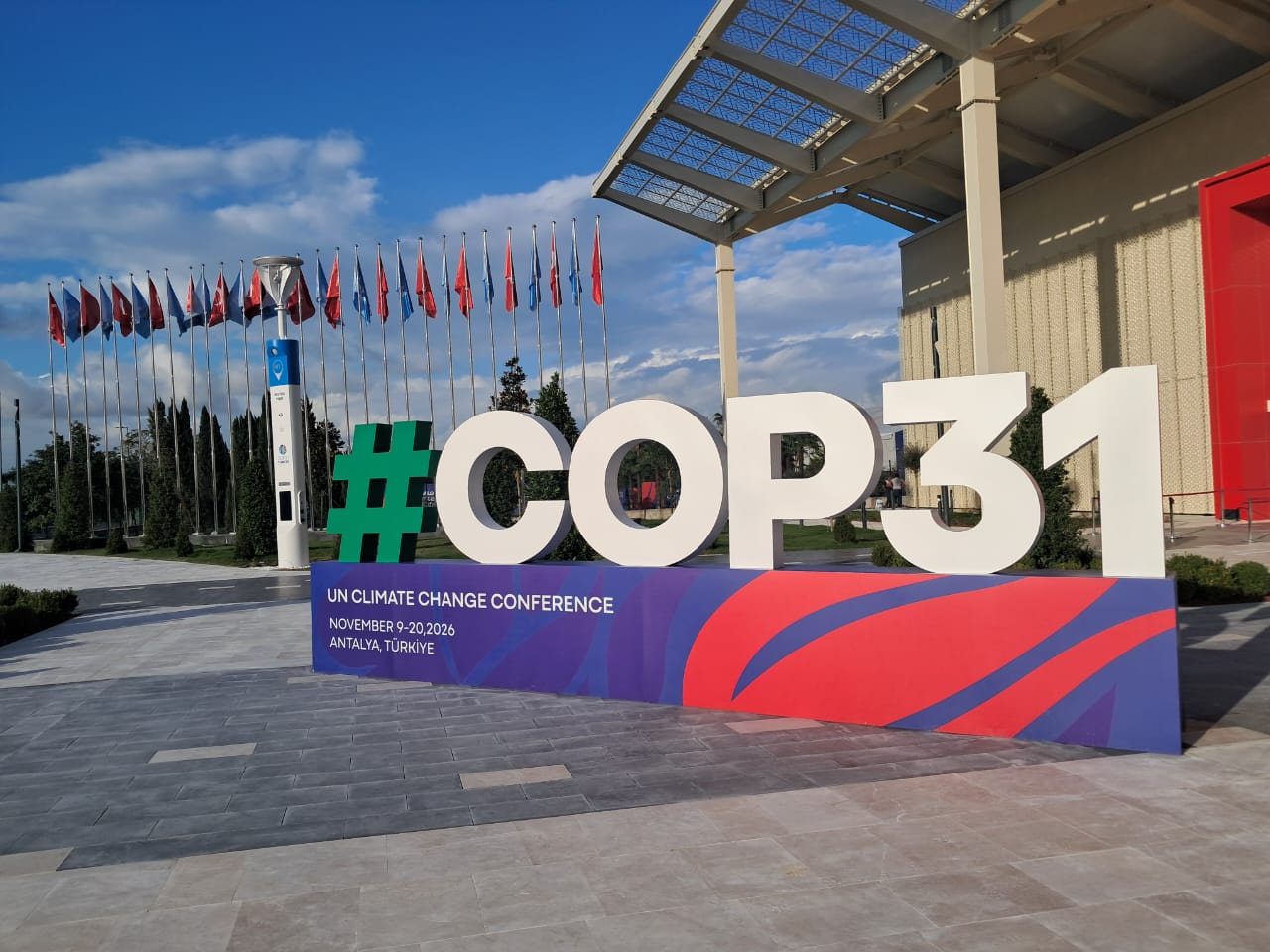
World leaders, climate negotiators and environmental advocates have converged on Antalya, Türkiye, for the 31st United Nations Climate Change Conference (COP31), with calls for increased climate finance and concrete action to address the worsening climate crisis.
The two-week conference, which begins today, November 9, 2026, is expected to focus on translating global climate commitments into measurable results, as developing countries push for stronger support to tackle rising temperatures, floods, droughts and other climate-related disasters.
For Africa, the stakes are particularly high, with countries seeking predictable and accessible climate finance, stronger adaptation measures and a just energy transition that takes their development needs into account.
Ten years after the adoption of the Paris Agreement, attention is increasingly shifting from climate pledges to their implementation and the delivery of tangible results.
Climate finance is expected to feature prominently in negotiations, with developing countries pressing developed nations to provide adequate, predictable and accessible funding to support climate action.
A major concern is whether COP31 will deliver meaningful progress, particularly for vulnerable countries already experiencing the devastating effects of climate change.
Another key issue is the implementation of Nationally Determined Contributions (NDCs), which outline countries’ commitments and plans to reduce greenhouse gas emissions and adapt to climate impacts.
For Ghana, the conference presents an opportunity to push for increased financing to support climate-resilient agriculture, coastal protection, renewable energy development and the implementation of its national climate commitments.
Across Africa, negotiators are expected to advocate increased adaptation finance, improved access to the Loss and Damage Fund and a fair energy transition.
The transition away from fossil fuels is also expected to generate difficult discussions, particularly on how developing countries can expand renewable energy without compromising affordable and reliable energy access.
The Turkish COP Presidency has outlined ten priority areas for the conference, including clean energy, food security, green industrialisation, climate-resilient cities and health systems. It is also promoting a Climate Implementation Bridge to connect international climate commitments with projects and practical action on the ground.

Meanwhile, the Green Climate Fund’s recent approval of a record 1.9 billion dollars in new climate financing at its 46th Board meeting highlights ongoing efforts to scale up support for developing countries. However, the broader challenge remains mobilising significantly more resources and ensuring that climate finance reaches the countries and communities that need it most.
For Ghana and the rest of Africa, expectations are high that COP31 will move beyond declarations to deliver concrete commitments on climate finance, technology transfer and practical climate action.