
Ghana has called for stronger efforts to translate China-Africa green development commitments into bankable projects, mobilised financing and tangible development outcomes, as countries seek to accelerate climate action and sustainable investment across the continent.
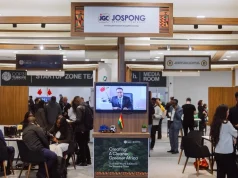
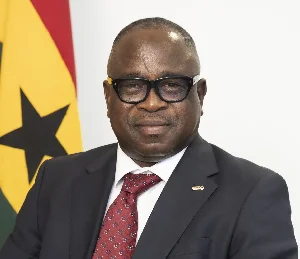
The Minister of State for Climate Change and Sustainability, Seidu Issifu, made the call on Wednesday, November 11, 2026, during the opening of a high-level engagement at the Ghana Pavilion at the 31st United Nations Climate Change Conference (COP31) in Antalya, Türkiye.
The engagement, held under the theme “Shared Future, Shared Prosperity: Aligning Climate Prosperity Plans with the Green Belt and Road”, focused on operationalising the Forum on China-Africa Cooperation (FOCAC) through country investment pipelines.
Addressing delegates, Mr Issifu highlighted China’s commitment under the FOCAC Beijing Action Plan for 2025–2027 to support 30 clean energy and green development projects across Africa, describing the partnership as an opportunity to deepen cooperation between the two regions.
However, he stressed that the success of the commitment would depend on the ability of participating countries and development partners to move beyond pledges and translate them into viable projects capable of attracting investment and delivering measurable benefits.
With the current FOCAC Action Plan approaching its final year, Mr Issifu said the urgency to accelerate implementation could not be overstated.
He identified Country Platforms and Climate Prosperity Plans as important mechanisms for translating national development priorities into credible investment pipelines and connecting projects with financing, technology and implementation partners.
The Minister also highlighted the Green Belt and Road Initiative as an opportunity to accelerate investments in renewable energy, climate-resilient infrastructure, sustainable industrialisation and green technologies across Africa.
He stressed the need for such investments to reflect the development priorities of individual countries, strengthen local capacities and deliver lasting benefits to communities.
Mr Issifu further called for practical outcomes from the partnership between the Climate Vulnerable Forum and V20 (CVF-V20) and the Belt and Road Initiative International Green Development Coalition, stressing that progress should be measured by projects developed, investments mobilised, jobs created and resilience built within communities.
On Ghana’s domestic climate agenda, he said the country was working to translate its commitments into practical action through its Nationally Determined Contributions, the National Green Finance Taxonomy and efforts to strengthen institutional coordination and mobilise climate finance.
He noted that President John Dramani Mahama had established a dedicated Office of the Minister of State for Climate Change and Sustainability to strengthen leadership and coordination of climate action across government.
Ghana, which hosts the headquarters of the Climate Vulnerable Forum and V20, was also reaffirming its commitment to supporting climate-vulnerable economies across Africa, Asia, the Caribbean and the Pacific.
Mr Issifu maintained that climate action should be viewed as a strategic investment in Ghana’s future rather than an act of charity, citing its potential to accelerate industrialisation, create decent jobs, strengthen energy security and build a resilient economy.
He also emphasised the importance of affordable climate finance and debt sustainability, particularly for vulnerable economies seeking to pursue ambitious climate and development objectives.
The engagement forms part of broader discussions at COP31 on strengthening international cooperation, mobilising green investment and ensuring that climate commitments translate into practical interventions capable of supporting sustainable development.
Mr Issifu urged African countries to remain at the centre of defining and driving their development pathways, stressing that international partnerships must deliver meaningful cooperation and shared prosperity.