By Mabel Adorkor Annang
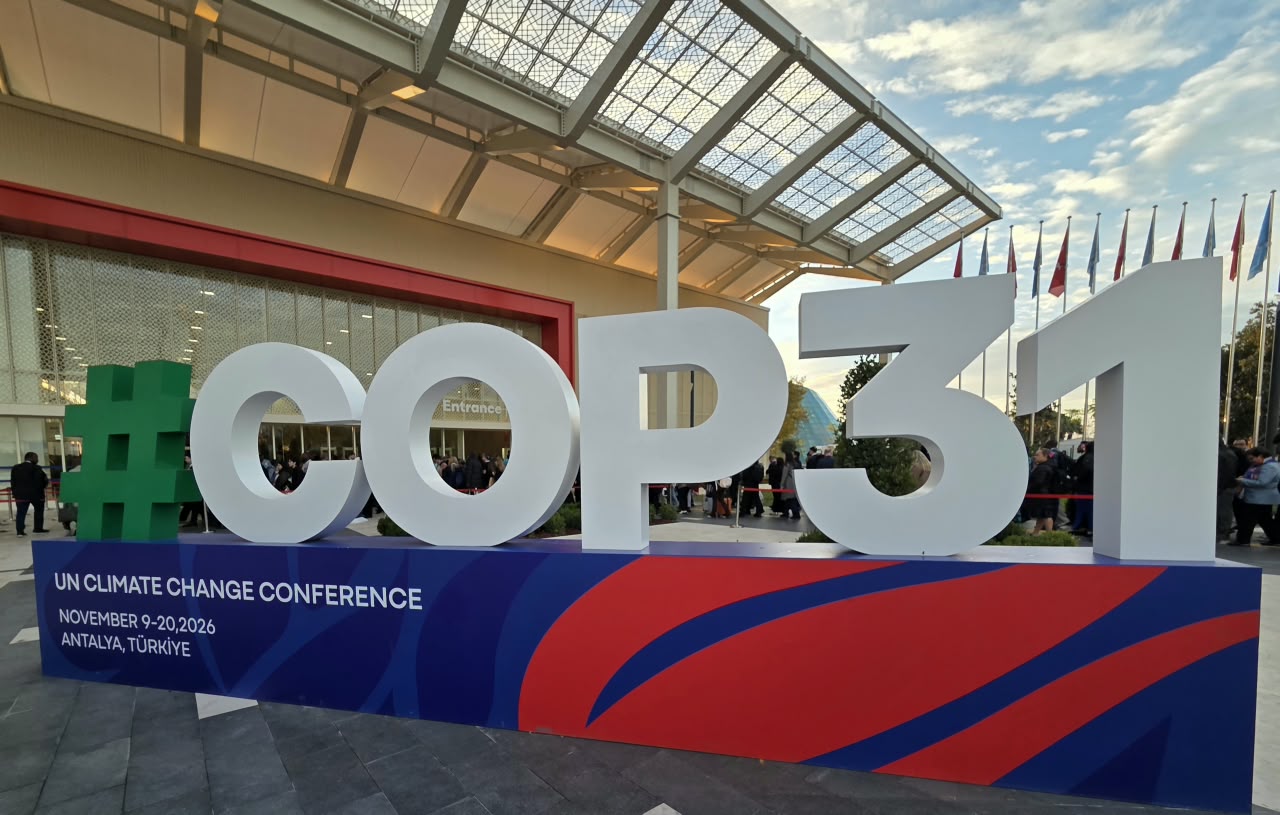
The opening of the United Nations Climate Change Conference, COP31, in Antalya, Türkiye, has been marked by renewed calls for concrete action to address climate change, with participants urging world leaders to fulfil their commitments to triple adaptation finance and accelerate the expansion of renewable energy capacity by 2030.
Ahead of the opening, some participants who spoke to GBC Energy Reporter Mabel Annang expressed hope that the conference would produce tangible outcomes, particularly for developing countries and Africa, which continue to bear the brunt of climate change.
Dominic Nyasulu said he expected progress on the Loss and Damage Fund, particularly in helping vulnerable countries access support for both economic and non-economic losses.
“We expect that at least this year the Executive Committee for Loss and Damage will finalise more modalities in terms of how they can guide countries to access economical and non-economic losses.”
Another participant, Emmanuella Doreen Kwoffie, highlighted concerns about climate financing and the commitment to triple adaptation finance but expressed optimism about securing positive outcomes for developing countries.
“We see a lot of challenges surrounding the climate financing, the programme, tripling of adaptation finance among others, but we are hopeful that we will have positive outcomes for developing countries, especially for African countries, since we face the brunt of climate change and we really need to adapt to it.”
At the opening session, UN Climate Change Executive Secretary Simon Stiell acknowledged that although 90 per cent of large-scale renewable energy projects are now cheaper than fossil fuel alternatives, progress in tackling climate change remains inadequate and uneven.
He noted that developing countries continue to face significant difficulties accessing the financing needed to implement climate action, while resources available to support the global climate agenda continue to shrink.
“Mandates are growing and funds are shrinking. We’ve delivered extensive efficiencies and we will continue to do so. However, serious work is needed with parties on our budget consultations over the next 6 months. We can’t keep doing more with less,” he said.
The opening of COP31 has once again brought the global climate crisis into sharp focus, with growing pressure on developed nations to match their climate commitments with the financial resources and practical support needed by vulnerable countries.
As negotiations get underway, the key question is whether COP31 will move beyond familiar promises to secure the financing, political commitment and concrete solutions needed to accelerate climate action, particularly in developing countries.