
This article is inspired by a tourism strategy document developed collaboratively by German partners at KPRN and Dela Evans, whose joint work highlighted the immense opportunities within Ghana’s tourism landscape. Building on those insights, it becomes clear that the Volta Region — serene, diverse, and deeply authentic — is poised to become Ghana’s next great tourism frontier. Yet even as Volta rises, it must do so within a national ecosystem that includes the historic forts and castles of the coast, the vibrant festivals of the central and northern belts, and the wildlife reserves that dot the country. Ghana’s tourism future will be strongest when its regions complement one another, each contributing its unique strengths to a unified national identity.
The magic of the Volta
Ghana stands at a moment of profound transformation in global travel. Today’s travellers — especially those from German-speaking Europe — are more intentional, more discerning, and more willing to invest in meaningful experiences. Cultural Purists from Germany, Austria, and Switzerland consistently demonstrate higher spending patterns than backpack tourists, often exceeding €2,000 per long-haul trip. They seek depth, authenticity, and guided interpretation, and they stay longer when the destination offers emotional resonance. This makes them an ideal match for the Volta Region, where nature, culture, and serenity converge in a way that naturally encourages extended stays and higher per-visitor expenditure.
The Volta Region offers a landscape that feels almost crafted for the future of tourism. Its mountains rise into cool, mist-covered air; its waterfalls thunder through lush forests; its lakes stretch into the horizon with a meditative calm. These are not merely attractions — they are experiences that invite travellers to slow down, breathe deeply, and reconnect with themselves. In a world where overtourism has eroded the charm of many destinations, Volta remains refreshingly unspoiled. It is a sanctuary for travellers who want to feel the world rather than rush through it.
Yet the Volta Region’s strength is not only natural. Its cultural rhythms — from crafts to cuisine to community traditions — offer a sense of rootedness that resonates deeply with high-value travellers. While the iconic slave castles and forts lie along Ghana’s coast, and major festivals animate regions such as Ashanti, Northern, and Greater Accra, the Volta Region contributes its own cultural depth: storytelling traditions, local festivals, artisanal crafts, and a hospitality ethos that is warm, genuine, and unforced. The region does not need to replicate the heritage of other regions; it complements them, offering a different but equally compelling dimension of Ghana’s identity.
To fully harness this potential, Ghana must invest in a new generation of tourism professionals. Guides must be trained not only in the history of Ghana’s trans-Atlantic slave trade — enabling them to contextualise national heritage even when visitors are based in Volta — but also in the typology of flora and fauna. Travelers increasingly expect guides who can interpret landscapes, identify species, explain ecological systems, and connect natural features to cultural narratives. A guide in Volta should be able to explain the medicinal uses of local plants, the migratory patterns of birds, the geological story of the highlands, and the broader historical arc of Ghana’s past. This dual literacy — natural and historical — will elevate Ghana’s tourism offering and align it with global expectations for high-quality, knowledge-based travel experiences.
Infrastructure remains essential. The Volta Region’s ascent as Ghana’s tourism hub will require improved access roads to waterfalls and mountain trails, expanded eco-friendly accommodations, strengthened lake transport, and the development of wellness retreats that align with global sustainability standards. These investments will not only attract high-spending travellers but also stimulate local economies, create jobs, and encourage private-sector innovation.
Marketing must evolve as well. The Volta Region should be presented not as a list of attractions but as a narrative — a place where dawn mist in Amedzofe, the echo of Wli Falls, the glide of a canoe on Lake Volta, and the warmth of a Keta sunset form a tapestry of emotional experiences. Travelers must be invited into the region’s soul, not simply its geography. When people feel something, they stay longer, spend more, and return.
Conclusion
Ghana’s tourism future will not be built on volume alone, but on vision — a vision that recognises the power of authenticity, the value of sustainability, and the importance of regional complementarity. The Volta Region embodies all three. It is a place where nature and culture breathe freely, where high-value travellers find the depth they seek, and where Ghana can redefine its global tourism identity. Yet its rise does not diminish the importance of Ghana’s other tourism gems — the historic forts and castles of the coast, the festivals that animate the nation, the wildlife reserves that inspire wonder. Instead, Volta becomes the anchor of a diversified national tourism portfolio, a region that leads while lifting others.
If Ghana chooses to elevate the Volta Region as the heart of its tourism strategy — supported by strong guide training, sustainable infrastructure, and a compelling narrative — it will unlock not only the region’s potential but also a new era of national tourism growth. The world is searching for destinations that feel real, restorative, and rooted. The Volta Region is all of these. Its time has come.
About the Author
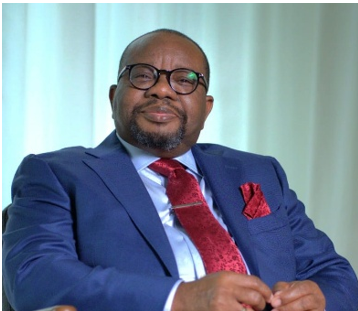
Dela Evans is a retired C-Suite Executive Consultant, Change and Program Manager for global ICT companies. He has consulted for major banks, manufacturing firms, transport operators, and telecom companies across Europe. Over his career, he managed multi-million-dollar outsourcing and offshoring programs, transitioning IT operations to Eastern Europe and India while improving efficiency, productivity, and cost performance.
Dela is the founder of Ghana Change Academy, where he brings a rare blend of executive change-management expertise and citizen-centred development practice — shaping leaders, institutions, and public narratives for Ghana’s long-term renewal.
Contact Email: [email protected]
Website: www.ghanachangeacademy.com
Post Views: 1
Discover more from The Business & Financial Times
Subscribe to get the latest posts sent to your email.