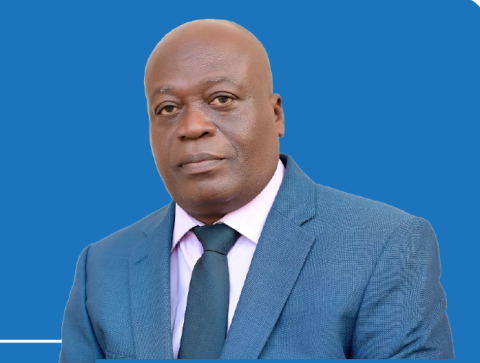
By DCOP (Rtd) David Senanu Eklu
June 2026 has provided yet another reminder that safety and security are not abstract concepts reserved for emergency services, security agencies, or risk managers. They are everyday realities that affect families, businesses, institutions, and communities alike.
Throughout the month, Ghanaians witnessed a series of incidents that disrupted lives and livelihoods. Heavy rains triggered severe flooding across Greater Accra and other communities, submerging homes, markets, and major roads within hours and displacing families (UNDP Ghana, June 2026).
Simultaneous fire outbreaks on 3 June 2026 — including the devastating Tudu blaze that destroyed 32 rooms at the Accra Central Police Barracks Annex and consumed the wares of over 100 traders — demonstrated how multiple emergencies can converge, straining the capacity of even well-coordinated responders (Graphic Online; GNFS, June 2026).
Road traffic crashes continued to claim lives at an alarming rate: 1,009 Ghanaians perished in road crashes in the first four months of 2026 alone — an average of more than eight deaths every day (Ghanaian Times; NRSA, 2026). Security operations targeting illegal firearms and narcotics highlighted persistent threats to public safety, with NAIMOS handing over 141 confiscated weapons for destruction in June (Ministry of the Interior, 11 June 2026).
Meanwhile, growing concerns about misinformation circulating on social media — with 14 false-news-related arrests in sixteen months — underscored the danger that unverified information poses to community cohesion and public confidence (Al Jazeera, 6 June 2026).
Although these incidents may appear unrelated, they reveal a common lesson: preparedness saves lives.
Too often, safety measures are viewed as optional expenses rather than essential investments. Organisations may postpone fire safety inspections, delay emergency drills, or neglect risk assessments. Individuals may ignore weather warnings, fail to maintain vehicles properly, or underestimate the dangers of sharing unverified information on social media.
The consequences can be severe.
Globally, security professionals increasingly recognise that effective safety and security management is not simply about responding to emergencies after they occur. Modern security practice emphasises prevention, preparedness, and resilience. The objective is not merely to react to crises but to reduce the likelihood of their occurrence and minimise their impact when they do happen.
This approach is particularly relevant for Ghana.
As our cities expand, economic activity increases, and technology becomes more integrated into everyday life, the range of risks facing organisations and communities also grows. Flooding can disrupt transportation and business operations. Fires can destroy years of investment within minutes. Road crashes can affect productivity, healthcare systems, and family welfare. Misinformation can inflame tensions and undermine public confidence.
Preparedness therefore becomes a strategic necessity. Businesses must regularly assess risks within their operations and develop practical response plans. Educational institutions should integrate safety awareness into their routines. Market associations, transport unions, and community groups should strengthen local safety practices and emergency communication systems.
Equally important is the role of citizens. Every individual has a responsibility to contribute to safer communities by obeying safety regulations, reporting hazards promptly, supporting emergency responders, and exercising caution in daily activities.
The increasing frequency of weather-related incidents also demands greater attention to resilience planning. Households should identify safe evacuation routes, keep emergency contact numbers readily available, and monitor official weather advisories. Employers should review workplace safety procedures and ensure staff understand emergency protocols.
Preparedness is not fear. Preparedness is responsibility.
The events of June should encourage all of us to move beyond discussing safety only after tragedy strikes. Instead, we should embrace a culture where prevention, awareness, and preparedness become part of everyday life.
The safest communities are not necessarily those that experience no threats. They are those that recognise risks early, prepare adequately, and respond effectively when challenges arise.
As Ghana continues to develop, building a culture of preparedness may be one of the most important investments we can make in protecting lives, livelihoods, and national progress.
DCOP (Rtd.) David Senanu Eklu, CPP (ASIS International), is Executive Director of MISORNU Safety Center, a security and safety awareness advocacy, training and research organisation dedicated to promoting a Safety-First Mindset and Culture.


Note: Preventive advisories are grounded in MISORNU Safety Center’s Safety-First Mindset and Culture framework. Institutional guidance reflects modern risk management principles aligned with international standards (ASIS International; ISO 31000). Checklist items are designed for immediate adoption by individuals and households. Sources include official government communications, UN agency reports, credible Ghanaian media, and national regulatory data.
Post Views: 74
Discover more from The Business & Financial Times
Subscribe to get the latest posts sent to your email.