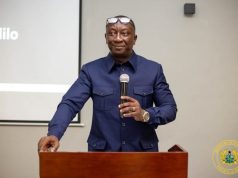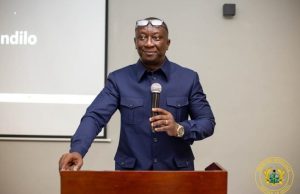


Francis Addai-Nimoh has withdrawn from the New Patriotic Party’s presidential contest, citing excessive filing fees and concerns about fairness in the selection process ahead of the January 2026 primaries.
The former Mampong MP, who has contested for the party’s top position multiple times since 2010, announced his decision Wednesday after what he described as extensive consultations about the state of the opposition party. His withdrawal comes as the NPP prepares to select new leadership following its defeat in the 2024 elections.
At the center of Addai-Nimoh’s criticism is the GHC4.6 million fee required from each aspirant. The veteran politician called the amount “astronomical” and argued it fundamentally altered the nature of the contest.
“These factors undermine the foundations of the party’s internal democratic culture,” Addai-Nimoh said in his statement, suggesting the high financial barrier shifts focus from competence to wealth.
His withdrawal highlights growing tensions within the NPP over how it selects leaders. Beyond the filing fees, Addai-Nimoh pointed to what he characterized as a “top-down approach” that limited grassroots participation in the process.
The timing of the primaries, scheduled for January 31, 2026, also drew criticism from the former legislator. He questioned whether holding the election at this point served the party’s broader interests as it attempts to rebuild in opposition.
Perhaps most significantly, Addai-Nimoh alleged that party leadership showed bias toward a particular candidate, though he did not specify whom. This claim, combined with his critique of what he termed “unhealthy monetisation” of party politics, suggests deeper divisions within NPP ranks.
The 4.6 million cedi requirement represents a substantial financial hurdle even for established politicians. To put it in perspective, this fee alone could fund significant constituency-level campaigns or party operations.
For Addai-Nimoh, who has been a fixture in NPP presidential contests for over a decade, the decision to withdraw marks a notable shift. His previous runs in 2010, 2014, and other cycles established him as a persistent voice within the party, even if he never secured the top spot.
His exit may prompt questions from other potential candidates about the accessibility of the race. The fee structure could effectively narrow the field to wealthy individuals or those with substantial financial backing, potentially limiting the diversity of voices in the contest.
The NPP faces the challenge of selecting a leader who can unite the party and mount a credible challenge to the governing National Democratic Congress in 2028. How it conducts this internal election could affect its ability to present itself as a viable alternative to voters.
Party officials have not yet responded to Addai-Nimoh’s specific criticisms about bias or the filing fee structure. The January 2026 timeline gives the NPP roughly a year to address any internal concerns before delegates make their choice.
Meanwhile, other aspirants continue their campaigns despite the financial requirements. Kennedy Agyapong filed his nomination papers the same day as Addai-Nimoh’s withdrawal, suggesting the race will proceed despite concerns about its structure.
The contrast between those who can afford the steep entry fee and those who cannot may become a defining feature of this leadership race. For a party seeking to rebuild after electoral defeat, managing these internal tensions while maintaining unity presents a significant test.
Addai-Nimoh concluded his statement by wishing other aspirants well, maintaining a diplomatic tone despite his sharp criticisms of the process. His withdrawal leaves questions about whether others share his concerns and how the party will address them moving forward.