
The Governing Council of the Ghana Immigration Service (GIS) is pushing for the launch of an innovative project, code-named Operation Secure Our Borders (SECOBOR), a public-private sector initiative designed to mobilise adequate resources to address the pressing needs of the GIS, including the welfare and working conditions of officers.
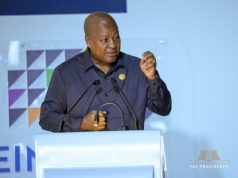
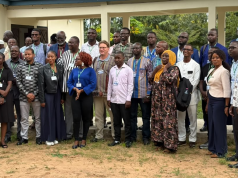
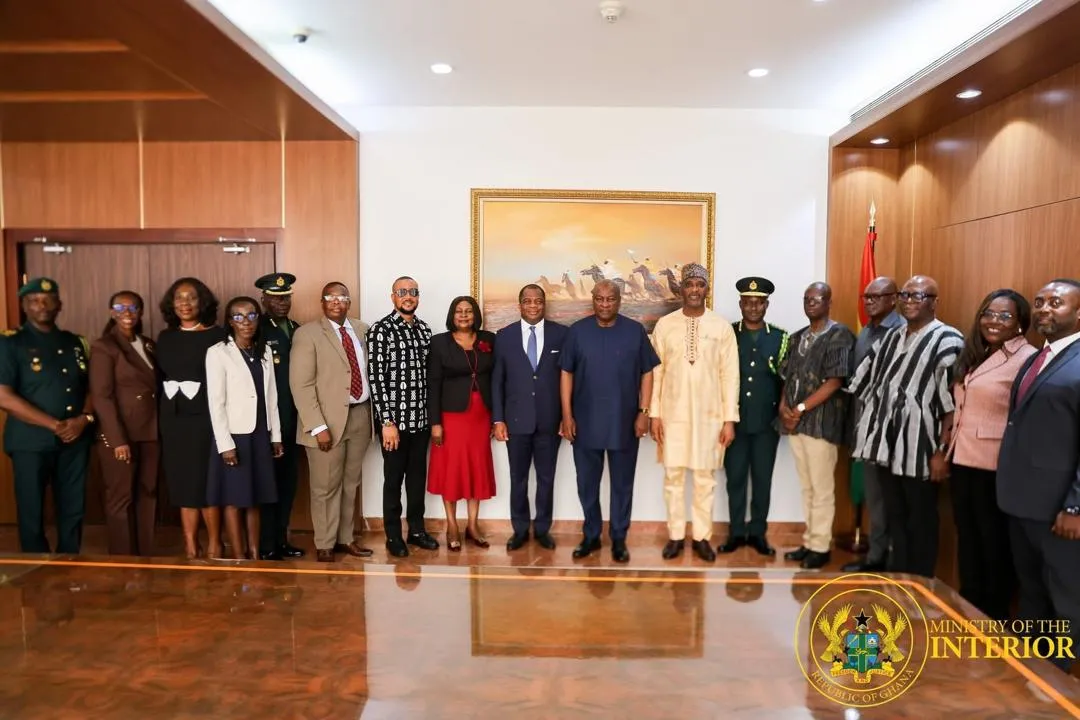
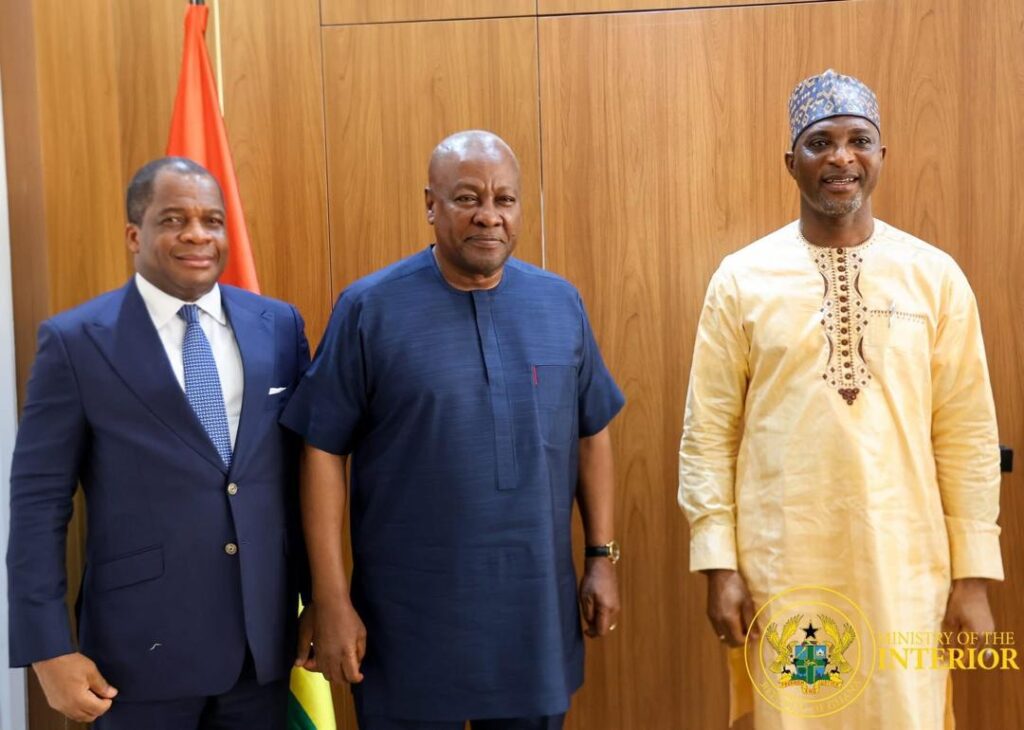
The disclosure was made by the Chairman of the Governing Council of the GIS, Rev. Stephen Yenusom Wengam, at the Jubilee House when he led a delegation of the Council to brief President John Mahama on the strategic direction and emerging priorities of the GIS.
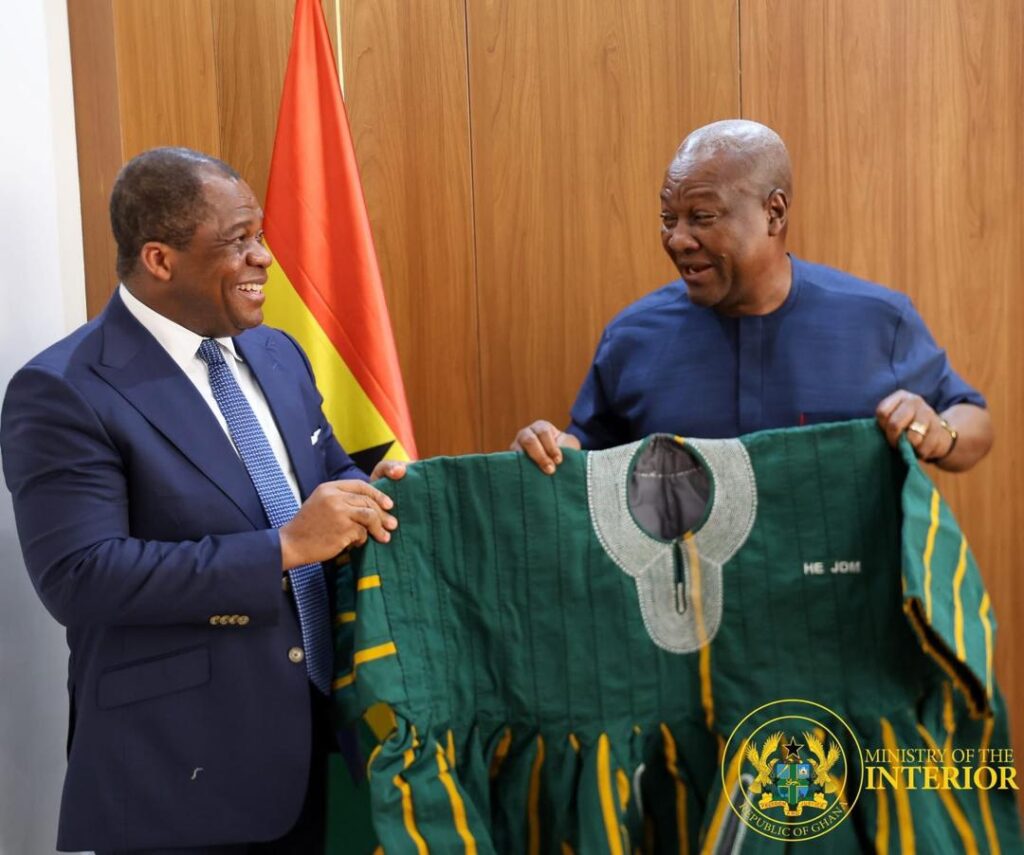
Rev Wengam was optimistic that SECOBOR would go a long way to strengthen the capacity of the service and contribute more effectively to national security and development.
Rev Wengam said, “Weak border control continues to expose Ghana to smuggling, human trafficking, and illicit trade, which pose direct threats to national security and public safety.”
He added that “inadequate resources and logistical constraints erode government revenue, disrupt local industries and weaken legitimate commerce.”
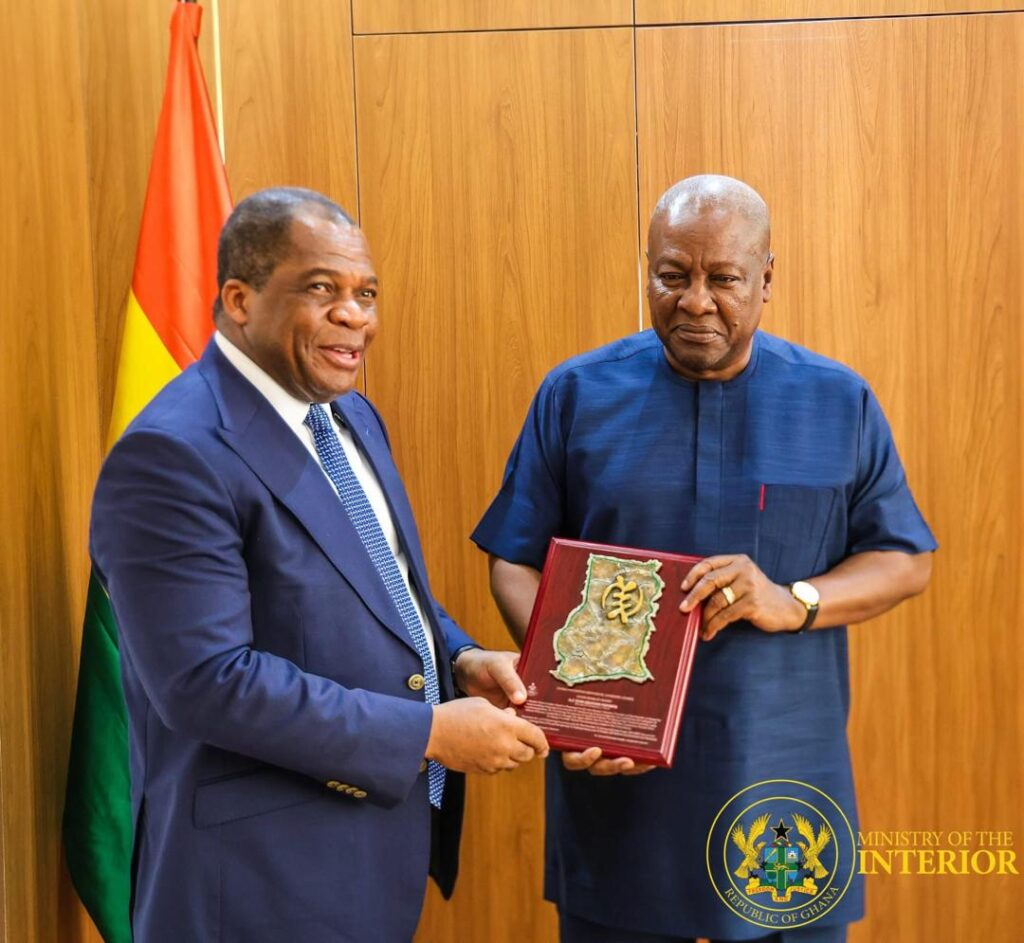
The Governing Council Chairman said many of the challenges of the GIS, including lack of accommodation, vehicles and motorbikes, could be addressed if it were allowed to retain, at least, 80% of its internally generated funds (IGF) for five years, “after which the present retention could be restored”.
Rev Wengam disclosed that in 2025 alone, the GIS generated GHS 546,042,386, of which GHS 218,416,954, or 40%, was retained.
Of the 40%, 25% was earmarked for the construction of the GIS National Headquarters complex, leaving only 15% to support administrative and operational activities.
He said the Ghana Immigration Service stands ready to spearhead the implementation of an electronic visa system in close collaboration with relevant ministries and agencies.
Rev. Wengam said as part of the GIS digital transformation agenda and commitment to help build a resilient 24-hour economy, the modernisation of border control is a strategic priority.
“A functioning 24-hour economy requires secure, efficient and continuously operating borders.
“Yet, out of Ghana’s 48 approved border crossing points, only 12 are currently automated,” Rev Wengam remarked.
He expressed gratitude to President Mahama for providing a strategic direction which has enabled the GIS to consolidate its statutory role and emerge as “a vital pillar in safeguarding Ghana’s sovereignty and advancing regional cooperation.”
In response, President Mahama said his government “stands firmly behind efforts to retool and modernise the GIS”.
“We are working hard to resolve logistical challenges and improve working conditions of immigration officers so that they can deliver on their mandate,” he added.
President Mahama praised Rev. Wengam for leaving a legacy at the Ghana Prisons Service with the transformative “Project Efiase” during his time as Board Chairman and for currently spearheading the SECOBOR project at the Ghana Immigration Service.
The Minister of the Interior, Alhaji Muntaka Mohammed-Mubarak, spoke of the critical importance of improving the welfare and accommodation needs of immigration officers, particularly those serving in remote and high-risk locations.
He announced that seven new regional immigration offices are being constructed nationwide to bring services closer to the citizens and tighten border management.
DISCLAIMER: The Views, Comments, Opinions, Contributions and Statements made by Readers and Contributors on this platform do not necessarily represent the views or policy of Multimedia Group Limited.
DISCLAIMER: The Views, Comments, Opinions, Contributions and Statements made by Readers and Contributors on this platform do not necessarily represent the views or policy of Multimedia Group Limited.
Source link