
By Love Wilhelmina Abanonave
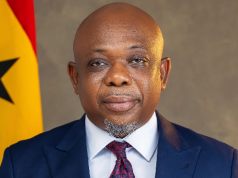
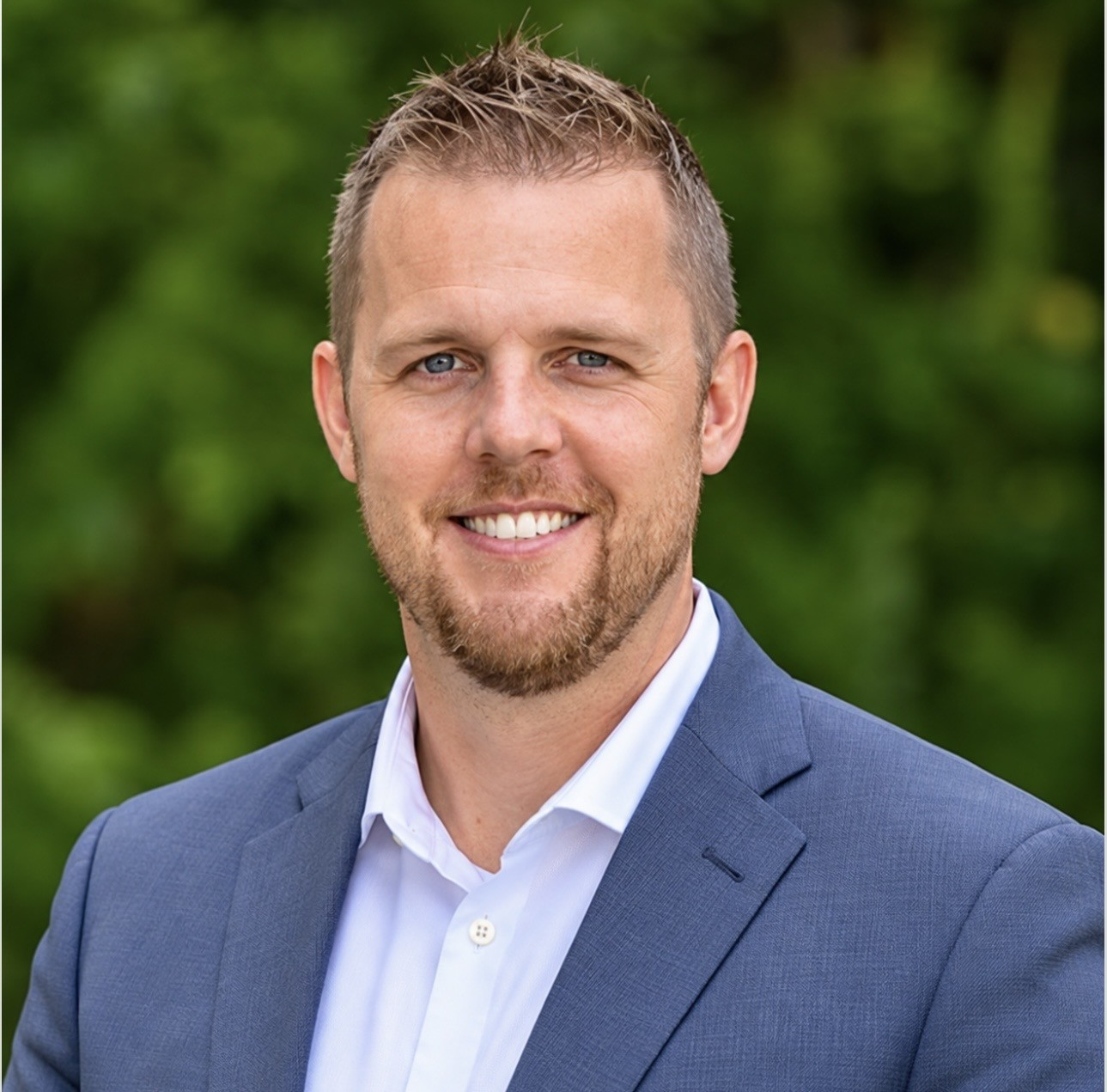
The Deputy European Union Ambassador to Ghana, Jonas Claes, says illegal mining, popularly known as galamsey, remains a pervasive and destructive challenge posing severe environmental, economic and social threats to Ghana.
Speaking at the launch of the Gold for Good baseline studies, he commended the Ghana government for taking important steps to tackle the problem, including the revocation of the Legislative Instrument which facilitated mining in forest reserves, and the establishment of the National Anti-Illegal Mining Operations Secretariat (NAIMOS).
“We commend the government on these important steps forward. Progress will ultimately be evaluated however on the curbing of Galamsey activity, and — above all — the quality of Ghana’s water bodies and food produce,” he said.
Mr. Claes revealed that 3-4 years ago, the European Union had no engagement in the fight against illegal mining because it was considered politically risky and too complex.
“3-4 years ago, the European Union did not have any engagement in this field. It was considered politically risky, too complex of a problem,” he said.
He explained that the EU changed its position because illegal mining does not only harm Ghanaians, but also directly undermines EU interests and the EU-Ghana Partnership.
“The EU spends sizeable programming funds towards sustainable agriculture, water sanitation, security and forestation, all of which are gravely undermined by illegal mining practices. For that reason, the European Union, and several of its member states, are no longer idle on the topic, but have several relevant engagements on the topic,” he stated.
One of those engagements, he said, is the EUR 3 million Gold for Good project, funded by the European Union and implemented by Coginta.
“Gold for Good not only covers this research, but is part of a comprehensive engagement by the EU to partner with Ghana to help mitigate the immense challenge of illegal mining,” he said.
He added that the EU has doubled its efforts by training military and civilian personnel, and strengthening the capacities of key stakeholders to carry out legal mining operations.
“Recently, the European Union Security and Defense Initiative provided support aimed at strengthening the capabilities of Ghanaian military personnel involved in support of NAIMOS and the fight against illegal mining,” he noted.
Mr. Claes stressed that the objective of Gold for Good is not to stop gold mining.
“The objective of Gold for Good is not to stop gold mining. Our aim is to contribute to building a mining sector that is lawful, environmentally responsible, socially inclusive, and economically beneficial to communities,” he said.