

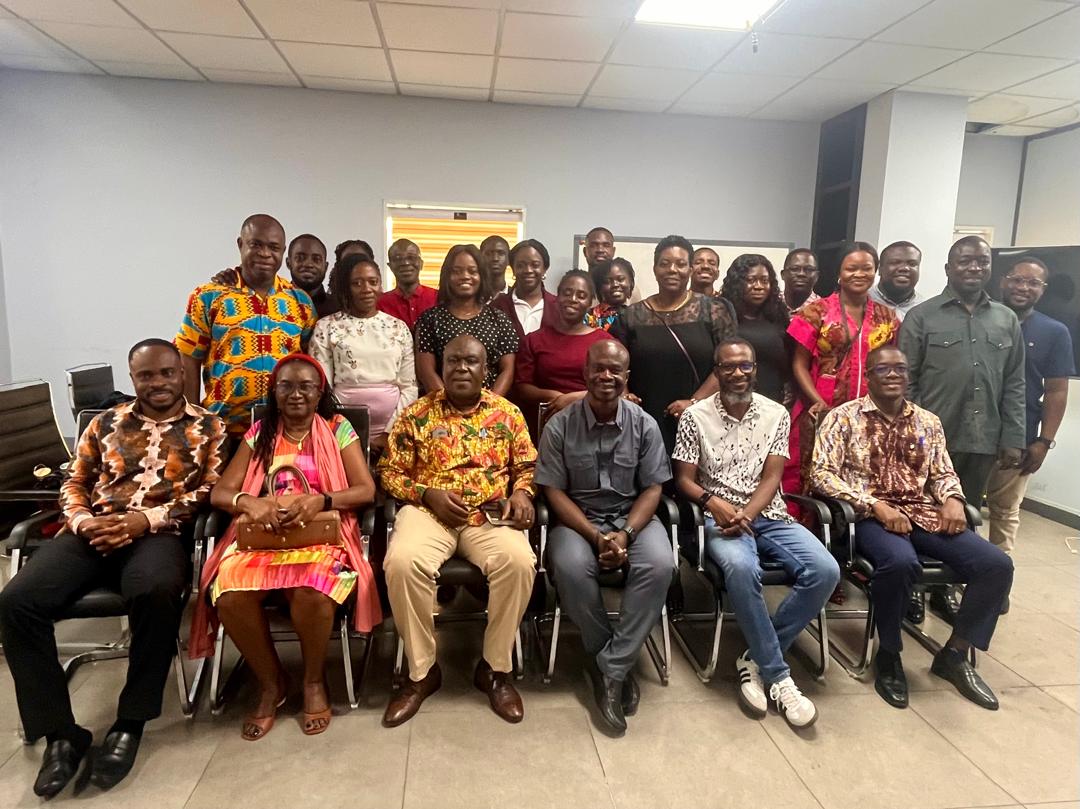
Ghana is strengthening its climate negotiation capacity ahead of COP31 in Türkiye, with access to climate finance emerging as a key concern.
The initiative is being implemented through the National Roster of Experts on Climate Negotiations, established by the Environmental Protection Authority (EPA) to improve coordination, preserve institutional knowledge and strengthen Ghana’s effectiveness in global climate negotiations.
Mr Kassim Hussein, a Negotiator on Action for Climate Empowerment (ACE), said the engagement was aimed at mobilising key stakeholders and lead negotiators to review outcomes of recent United Nations climate discussions and develop unified national positions ahead of the November conference.
He said the process would enable Ghana to assess decisions from meetings of the Subsidiary Body for Scientific and Technological Advice (SBSTA) and the Subsidiary Body for Implementation (SBI) and translate them into strategic negotiating positions for COP31.
Mr Hussein said although international financing mechanisms such as the Green Climate Fund (GCF) presented significant opportunities for developing countries, Ghana continued to face challenges in accessing such resources.
He identified limited capacity to develop bankable project proposals that met the requirements of international funding institutions as a major obstacle.
”The objective is to ensure that Ghana enters COP31 with a coordinated, informed and technically sound position capable of advancing the country’s climate and development interests,” he said.
The engagement is also expected to build political support for Ghana’s priorities and help define its key negotiating interests and non-negotiable positions ahead of the conference.
Dr Nana Antwi-Boasiako Amoah, Ghana’s Lead Negotiator under the UN Framework Convention on Climate Change (UNFCCC) and Acting Director of Climate Vulnerability and Adaptation at the EPA, said the roster would help institutionalise the country’s climate negotiation capacity.
He said the platform would maintain a database of experts, strengthen institutional memory, support mentorship and knowledge transfer, and improve coordination in developing national positions.
Dr Amoah said the initiative was being implemented in collaboration with the Ministry of Foreign Affairs, Ministry of Finance, academia, civil society organisations, youth groups and other stakeholders, with the EPA serving as the secretariat under the policy oversight of the Ministry of Environment, Science, Technology and Innovation (MESTI).
He said a Technical Coordination Committee and thematic working groups would be established to focus on priority negotiation tracks.
Speaking at the engagement, Dr Samuel C. Dotse, Chief Executive Officer of the HATOF Foundation, identified climate finance as one of the most critical issues expected to dominate discussions at COP31.
He said Ghana and other developing countries must continue to press developed nations to fulfil their commitments under the UNFCCC, particularly to provide adequate, predictable and accessible climate finance.
Dr Dotse expressed concern that climate financing was increasingly shifting from grant-based support to market-based mechanisms, which could place additional financial strain on developing countries already facing fiscal constraints.
He urged Ghana to ensure that its negotiating priorities reflected the realities facing vulnerable sectors, including agriculture, water resources and energy.
Dr Dotse also called for a review of what he described as complex and frequently changing eligibility requirements attached to climate finance mechanisms, arguing that such conditions often disadvantaged developing countries seeking to mobilise resources for adaptation and mitigation projects.
He said the next stage should focus on building wider national consensus through engagement with political leaders on the issues likely to shape negotiations at COP31.
Source: GNA