By Melissa Sackey
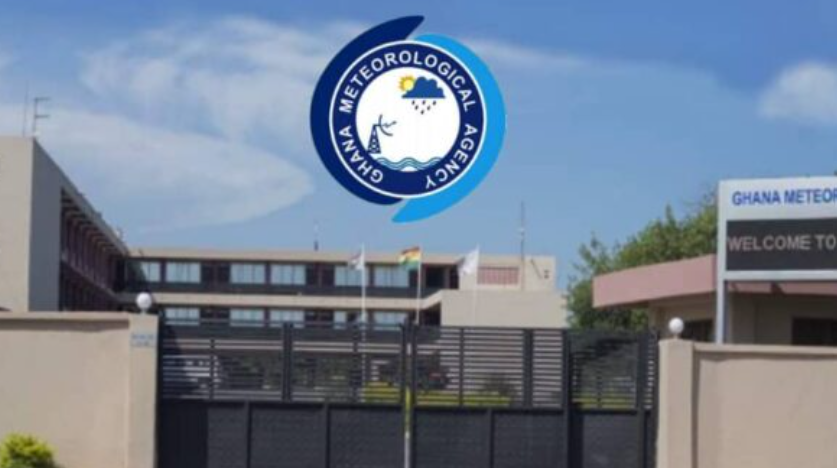
The Ghana Meteorological Agency (GMeT) has outlined a series of institutional reforms aimed at strengthening its operational capacity, improving the delivery of weather and climate information, and positioning Ghana as a regional centre for meteorological training.
The reforms include developing a new legal framework to reflect the agency’s current mandate, implementing a five-year strategic plan and establishing a specialised training centre focused on marine development and meteorology.
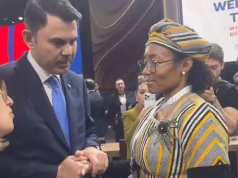
Chairman of the GMeT Board, Selassie Woanyah, announced this at the agency’s maiden Annual General Meeting for 2026, held under the theme, “Reflecting on Our Impact, Preparing for the Future: Our Collective Responsibility for Weather and Climate Resilience in National Development”.
Mr Woanyah said the agency was reviewing its existing legal framework because the current law no longer adequately reflected its expanded mandate and operational responsibilities.
He explained that a five-year strategic plan had also been developed with support from the Danish Meteorological Institute, following a comprehensive assessment of the agency’s operations and an information technology gap analysis.
As part of efforts to strengthen professional capacity, GMeT has begun consultations towards establishing a training centre dedicated to marine development and meteorology.
A team has been constituted to advance the initiative, with work ongoing to secure approval from the World Meteorological Organisation by February 2027. The centre is expected to strengthen Ghana’s meteorological training capacity and position the country as a hub for such training in the sub-region.
Mr Woanyah further disclosed that the agency had reviewed and approved key institutional policies, including training and travel policies, while placing greater emphasis on staff welfare.
Reflecting on the torrential rains that devastated communities and destroyed livelihoods in parts of southern Ghana in June 2026, he stressed that the effectiveness of meteorological services should not be measured solely by the accuracy of forecasts, but also by whether the information reaches the right people at the right time.
He said the incident reinforced the need for GMeT to improve how weather information is communicated and understood by the public, particularly in communities vulnerable to extreme weather events.
However, Mr Woanyah identified the unresolved dispute between GMeT and the Ghana Civil Aviation Authority as one of the outstanding challenges facing the agency.
He expressed concern that the matter had remained unresolved for too long, affecting both institutions. He added that the Board was working towards resolving it before the end of the first quarter of 2027, with support from the sector minister and other relevant agencies.
The Danish Ambassador to Ghana, Jakob Linulf, acknowledged GMeT’s work and highlighted the importance of cooperation between Ghana and Denmark in strengthening meteorological services.
Representing the national development perspective, Prof. Michael Kpessa-Whyte emphasised the critical role of meteorological information in protecting lives and supporting economic planning.
He said GMeT’s responsibility extended beyond weather forecasting to safeguarding the safety and well-being of Ghanaians, adding that credible forecasts and timely warnings were essential tools for national development.
“A warning that never reaches the people is not a warning at all,” he stressed.
Meanwhile, Christian R. Johansen of the Danish Meteorological Institute reaffirmed the importance of the partnership, describing it as a collaborative effort to integrate expertise, strengthen institutional capacity and build a more effective meteorological service.
He highlighted improvements in training programmes for meteorologists and civil aviation professionals as part of the ongoing cooperation.