
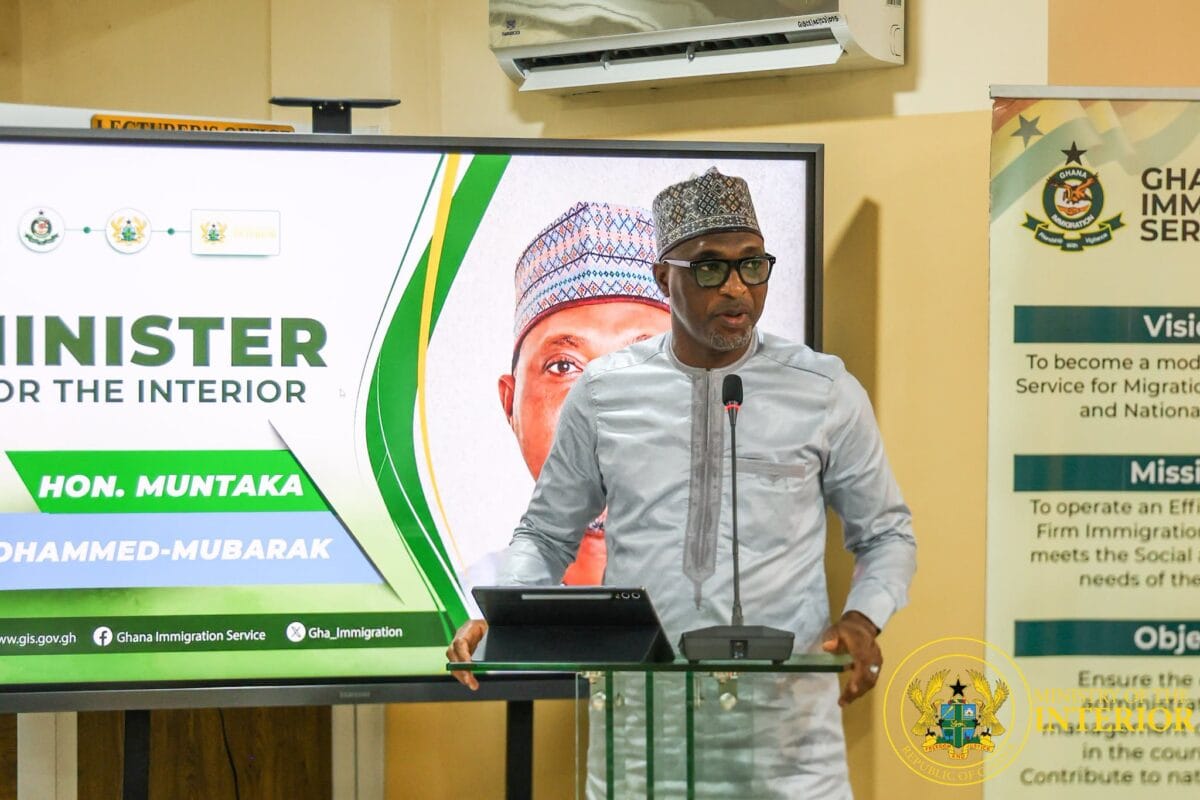
The Minister for the Interior, Hon. Mohammed Muntaka Mubarak, has issued a firm clarification on Ghana’s cannabis policy, emphasising that the government has authorised only the legal cultivation of cannabis for industrial and medicinal purposes.
Any attempt to misuse the legislation for unauthorised cultivation or recreational use will result in arrest and prosecution.
Speaking in a widely circulated video, the Minister sought to address potential misconceptions following recent legislative developments around cannabis regulation. He stressed that the policy framework is strictly limited to approved industrial and medicinal applications under regulated conditions.
Ghana has taken measured steps toward regulating cannabis (popularly known as “wee” locally) in recent years, aligning with global trends that recognise its potential in medicine and industry.
The policy distinguishes clearly between authorised uses, cultivation for medicinal products (such as pharmaceuticals and health supplements) and industrial purposes (including fibre for textiles, seeds for oil, and other non-psychoactive applications), and prohibited activities, including recreational use, unregulated cultivation, trafficking, and possession outside licensed frameworks.
Hon. Mohammed Muntaka Mubarak’s statement serves as both an information campaign and a deterrent. He cautioned citizens, farmers, and potential investors that deviation from the approved framework will attract full enforcement of the law.
Key points from the clarification include: only licensed entities operating under regulatory oversight may cultivate cannabis; unauthorised farming, even on private land, constitutes an offence; law enforcement agencies will actively monitor compliance; and prosecution will follow established legal procedures for drug-related offences.
Cannabis policy remains sensitive in Ghana due to cultural, religious, and public health considerations.
Potential benefits of regulated industrial and medicinal cannabis include job creation in farming, processing, and export sectors; revenue generation through licensing and taxation; development of local pharmaceutical and industrial products; and research opportunities in medicine and agronomy.
However, these benefits can only be realised under strict regulation to prevent diversion into the black market.
The Interior Minister’s warning reinforces the government’s commitment to enforcement. Collaboration between the Police, Narcotics Control Commission, Ministry of Food and Agriculture, and other agencies will be crucial for effective implementation.
Public reactions on social media have been mixed. Transparent licensing processes and regular public updates will be vital to building trust.
The government’s clarification reflects a cautious but progressive approach. By limiting cultivation to industrial and medicinal uses, authorities aim to capture economic value while minimising social harms.
Farmers and entrepreneurs interested in legal opportunities are encouraged to seek official guidance and apply through authorised channels rather than engaging in unregulated activities.
The Interior Minister’s message is unambiguous: the door is open for responsible, regulated participation, but the law will deal firmly with those who attempt to abuse the system.