

By Kizito CUDJOE
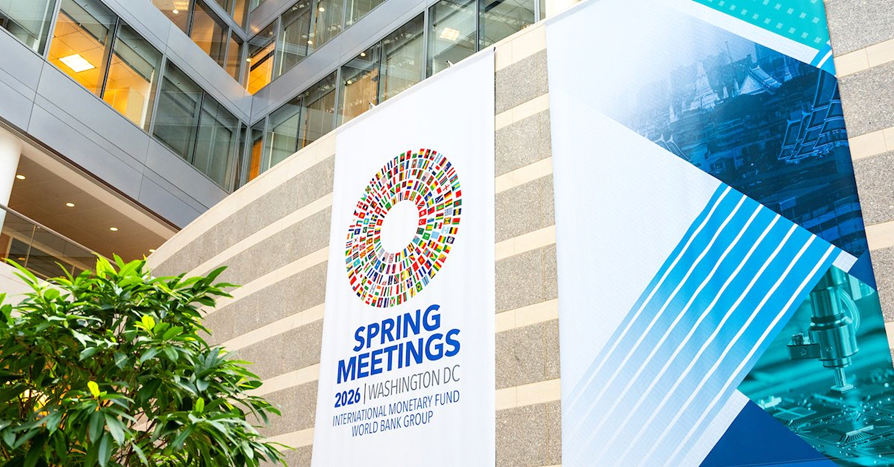
Civil society groups and policy advocates from Africa and the wider Global South have warned that policy prescriptions emerging from the 2026 Spring Meetings of the International Monetary Fund (IMF) and World Bank risk entrenching a cycle of debt distress and austerity.
Rather than resolving mounting fiscal and development pressures, they said, the two international institutions are increasingly adopting postures that could pile more misery on economies.
A key focus of this criticism is a growing concern that the Bretton Woods institutions continue to treat what many describe as a structural crisis as a short-term liquidity challenge, relying on more lending, fiscal consolidation and private capital mobilisation even as countries grapple with overlapping shocks from energy, food, trade and financial markets.
Debt analyst and manager of the LAC Vulnerability Atlas, Latin American Network on Debt, Development and Rights (Latindadd), Daniela Berdeja said: “The result is clear, a deepening of the fiscal crisis”.
“Every additional dollar spent on debt servicing is a dollar less for healthcare, education, social protection or climate adaptation,” she added.
Her remarks reflect a broader sentiment emerging from the meetings: that the current global financial architecture is ill-equipped to address the scale and nature of crises facing developing economies, particularly in Africa, Latin America and parts of Asia.
Rising global interest rates, currency pressures and elevated energy and food costs have combined to tighten fiscal space across many low- and middle-income countries, pushing more governments toward IMF-supported programmes.
However, critics argue that such programmes – often tied to fiscal consolidation and structural adjustment – create a fundamental contradiction.
“How are countries expected to invest in resilience, energy transition or social protection when they are required to cut spending?” Berdeja said, warning that reliance on IMF financing risks reinforcing existing power imbalances between creditors and borrowing nations.
She said this during a press briefing on key takeaways from the ‘2026 IMF/WB Spring meetings and the ECOSOC Financing for Development Forum’ organised by the African Forum and Network on Debt and Development (AFRODAD).
Continued emphasis on the G20 Common Framework for debt treatment has also drawn scrutiny, with many describing it as slow-moving and insufficiently ambitious to deliver meaningful debt-relief.
Instead, advocates are calling for more far-reaching measures – including large-scale debt cancellation, fairer and more transparent restructuring mechanisms and the establishment of a United Nations-led sovereign debt framework.
Momentum is building around alternative platforms aimed at amplifying the voices of borrowing countries. During the meetings, UNCTAD launched a ‘Borrowers’ Platform’ to facilitate coordination, knowledge-sharing and collective advocacy among indebted nations.
Supporters say the initiative could strengthen the Global South’s ability to influence debt restructuring processes and push for reforms to the international financial system, including creation of a UN Framework Convention on Sovereign Debt.
Diana Mochoge of AFRODAD also noted that: “There is clear demand for a system that is more transparent, fair and responsive to the realities of developing countries”.
Calls are also intensifying for automatic debt suspension during periods of crisis, alongside reforms to credit rating agencies – which critics say often exacerbate borrowing costs through downgrades that do not fully reflect domestic conditions.
Another major fault line at the Spring Meetings centred on the growing reliance on blended finance and private capital to fund development and climate action.
While multilateral institutions continue to promote private sector participation as a way to bridge financing gaps, critics argue that the model is failing to deliver resources at the scale or under the conditions required.
“Private capital is not neutral, it seeks returns,” Berdeja said. “That means it flows to sectors and countries where risks are lower and profits higher, leaving the most vulnerable behind.”
This dynamic, she added, risks reinforcing existing inequalities and prioritising commercially viable projects over those with critical social or environmental value.
Beyond macroeconomic concerns, advocates say current policy approaches risk deepening social inequities, particularly for women.
Grace Namugambe of the African Women’s Development and Communication Network (FEMNET) warned that efforts to phase out broad-based subsidies in favour of targetted social protection could have unintended consequences in the current economic climate.
“With rising fuel and food prices, removing subsidies increases the cost of living and the care burden on women,” she said. “That reduces their ability to participate in economic activity and undermines broader development outcomes.”
Women, she noted, are disproportionately affected by cuts to public services and regressive tax measures, often bearing the brunt of adjustments linked to debt distress and fiscal consolidation.
Underlying many of the interventions is a deeper scepticism about the role of the Bretton Woods institutions themselves.
The managing director-Society for International Development, Stefano Prato, also argued that expectations for transformative outcomes from the IMF and World Bank remain limited.
“The essence of what we can expect is a projection of existing geopolitical power dynamics,” he said, suggesting that meaningful solutions for developing countries may need to emerge from outside the current system.
Post Views: 1
Discover more from The Business & Financial Times
Subscribe to get the latest posts sent to your email.