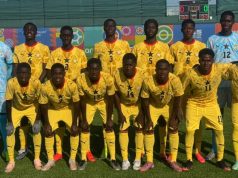


Footballs reputation as the beautiful game has long been tied to hope a pathway for young people from modest backgrounds to build better lives. Yet in Ghana, that same dream is increasingly being manipulated by traffickers who prey on ambition, turning opportunity into exploitation.
A troubling pattern has emerged in which young athletes and their families are lured with promises of trials abroad, professional contracts, and elite training facilities, only to find themselves trapped in exploitative conditions. The scale of the problem has prompted decisive action from the International Organization for Migration (IOM), working closely with Ghanas Ministry of Sports and Recreation.
A joint, gender-sensitive baseline assessment by the two institutions revealed the depth of vulnerability. An overwhelming 95.56% of respondents expressed interest in pursuing sports careers abroad, driven largely by financial prospects and access to better facilities the very aspirations traffickers have learned to exploit. More than 30% of those surveyed reported being enticed by offers that led directly to exploitation.
Against this backdrop, the IOM and the Ministry convened a media workshop on April 15, 2026, at the organisations head office in Accra, aimed at strengthening the medias role in tackling human trafficking within the sports sector.
The training sought to equip journalists with the tools to report responsibly on trafficking a crime often concealed by misinformation and silence. Sessions explored trafficking trends, legal definitions, ethical reporting practices, and the risks associated with emerging digital platforms increasingly used by traffickers.
Human trafficking, as defined under the United Nations Trafficking Protocol, involves the recruitment or movement of individuals through coercion, deception, or force for the purpose of exploitation a definition that extends beyond cross-border crimes and includes cases within local communities.
Abena Annobea Asare, Director of the Human Trafficking Secretariat at the Ministry of Gender, Children and Social Protection, delivered a stark warning to participants, stressing that traffickers often operate in plain sight.
These traffickers present attractive opportunities, but victims end up being exploited in various forms, including forced labour and sexual exploitation, she said.
She underscored that trafficking is not confined to international networks but is embedded within local communities, fuelled by misinformation and the desperation for opportunity among young people.
Her message to the media was clear: journalists must avoid unintentionally amplifying the reach of traffickers.
Journalists must be careful not to become channels through which traffickers reach unsuspecting victims, she cautioned.
Speakers at the workshop highlighted how traffickers meticulously construct false opportunities from fake trials to forged documents and fabricated links to European clubs targeting families willing to invest everything in pursuit of a breakthrough.
With social media now a key recruitment tool, journalists were urged to scrutinise sports-related advertisements and verify the credentials of agents before publication.
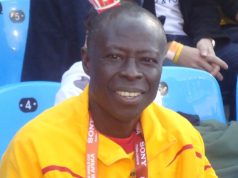
The workshop also addressed the ethical complexities of reporting on victims. ACP William Ayariga called for heightened professionalism, warning against sensationalism and harmful stereotypes.
Reporting of human trafficking requires the highest level of professionalism Refrain from intentionally or unintentionally further stigmatising and traumatising the trafficked person, he said.
Participants were reminded that the line between legitimate football agents and traffickers is often blurred, particularly with the rise of unlicensed intermediaries exploiting their perceived credibility.
Ultimately, the medias role was framed as both a professional obligation and a moral responsibility. Accurate reporting, careful verification, and sensitive storytelling are essential tools in dismantling trafficking networks and protecting vulnerable young athletes.
As Ghana intensifies its response to trafficking in sport, one message from the workshop stood out: in a system where traffickers thrive on deception, an informed and vigilant press may be one of the strongest defences.