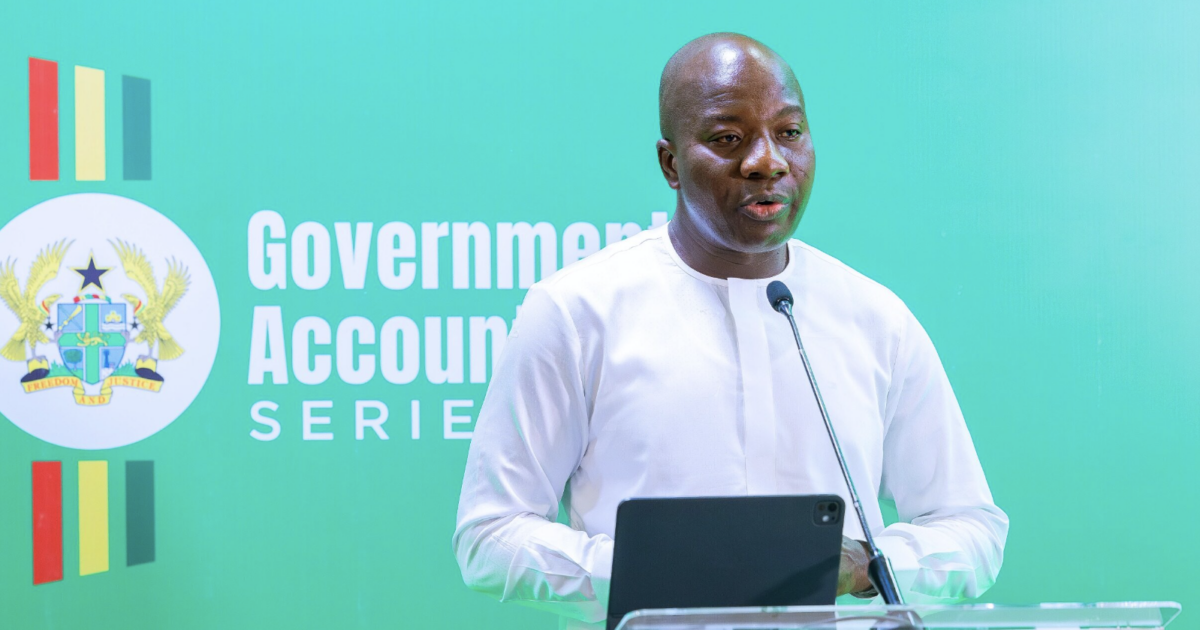
Mahama Ayariga, the Minister of Local Government, Chieftaincy and Religious Affairs
The government is considering replacing the Aayalolo bus contra-flow system with a light rail network as part of efforts to develop a more permanent solution to Accra’s growing transportation challenges.
The Minister for Local Government, Chieftaincy and Religious Affairs, Mahama Ayariga, said President John Dramani Mahama had directed him to initiate discussions on the feasibility of introducing light rail services along four major routes serving large numbers of commuters travelling into and out of the capital.
The proposed rail network is expected to provide a long-term mass transportation alternative to the existing contra-flow arrangement, which allows designated Aayalolo buses to travel against the normal direction of traffic on selected corridors to ease congestion and reduce commuting times.
Mr Ayariga, speaking on Accra-based Citi FM on Wednesday, November 4, 2026, said the current system had significantly improved journey times for commuters, but the President wanted a more sustainable transportation solution for the future.
He said he had been tasked with engaging the relevant authorities, particularly the Railway Authority, to explore the possibility of developing light rail infrastructure along the four major routes.
“The President said, ‘contra-flow is good, but look at light rail as your more permanent solution going into the future,’ and so I am commencing conversations with the Railway Authority for us to see how we can begin to look at light rail along the four major routes that bring in a lot of the people in and out of the city.”
The Aayalolo contra-flow system was introduced to improve public transport efficiency along some of Accra’s busiest road corridors, particularly during peak periods when commuters face lengthy delays travelling into and out of the city.
Under the arrangement, designated buses are permitted to use selected lanes in the opposite direction of normal traffic, allowing them to bypass congestion and provide faster journeys for passengers.
The intervention is intended to make public transport more efficient and reliable, particularly for residents travelling from surrounding communities to major commercial and employment centres in the capital.
However, the system remains dependent on existing road infrastructure, effective traffic management and the availability of buses and personnel to sustain its operations.
The proposed light rail initiative signals the government’s intention to explore a more permanent mass transportation option to address Accra’s increasing commuter traffic and improve movement across major entry and exit routes.
DISCLAIMER: The Views, Comments, Opinions, Contributions and Statements made by Readers and Contributors on this platform do not necessarily represent the views or policy of Multimedia Group Limited.
DISCLAIMER: The Views, Comments, Opinions, Contributions and Statements made by Readers and Contributors on this platform do not necessarily represent the views or policy of Multimedia Group Limited.
Source link