
By Nana Karikari, Senior Global Affairs Correspondent
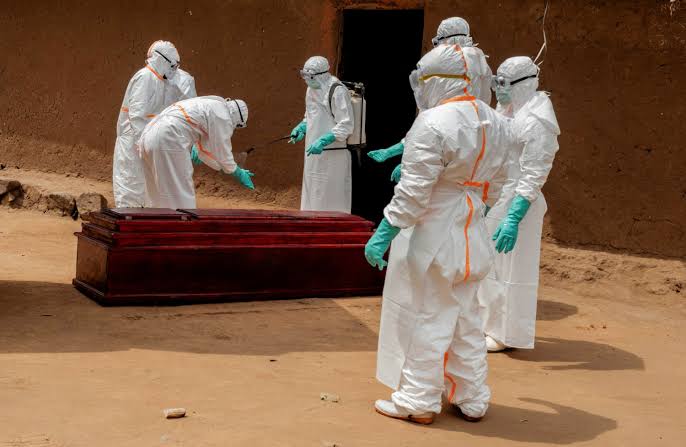
More than 5,000 people have died in the Democratic Republic of Congo during the deadliest Ebola epidemic in national history. Official health ministry data confirms that the death toll has now reached 5,026 patients out of 10,351 confirmed cases. This represents a case fatality rate of 48.6 percent, nearly 50 percent overall.
The epidemic was declared in mid-May and caught authorities by surprise. Public health officials noted that by August, it had officially become the country’s deadliest outbreak ever recorded. It marks the 17th Ebola outbreak in DR Congo‘s history.
It is now the second largest Ebola outbreak in world history. Globally, it ranks behind only the massive West Africa epidemic of 2014 to 2016, which claimed more than 11,325 lives across several nations, including Italy, the UK, and the United States. DR Congo’s previous deadliest outbreak occurred between 2018 and 2020, recording 2,299 deaths.
“It is a very tragic milestone because it is just not a number,” said Dr. Patrick Otim, a programme area manager with the World Health Organization. “It is families and communities that have been devastated by this outbreak. The number also shows the severity of this outbreak.”
The United Nations warns that the current outbreak is taking lives at a much faster rate than previous epidemics.
Epicenter and Geographic Spread Across the Region
The epicenter of the epidemic remains concentrated in north-east Congo. The conflict-affected provinces of Ituri and North Kivu serve as primary epicenters, accounting for 9,782 total confirmed cases and 4,792 deaths. Nationwide, the disease has reached 67 out of 178 health zones across eight of the country’s 26 provinces, with active cases reported in 50 health zones.
The virus has also crossed international borders into three African regions, making this the most geographically widespread outbreak in continental history. In Uganda, two people died among 20 recorded cases shortly after the outbreak started, though no new cases have been reported since August. Border travel restrictions remain active for individuals crossing from DR Congo.
In Kenya, health authorities have confirmed eight to nine cases and two deaths. In Nigeria, one woman confirmed to have the disease in October was flown to Switzerland for further treatment. Nigeria’s disease control center reported two additional suspected cases on Saturday, noting both individuals are isolated and undergoing testing.
Despite this regional spread, international health bodies stress that wider geographic risk remains contained. The European Centre for Disease Prevention and Control confirmed that the likelihood of infection for people in the Europe area is “very low.”
Operational Challenges and Untracked Transmission
Public health officials face immense obstacles tracing contact chains. Data from the Africa Centers for Disease Control and Prevention indicates that roughly 80 percent of new cases stem from outside monitored contact lists, leaving health workers unaware of primary transmission chains.
Additionally, WHO’s Dr. Otim revealed that one-third of recorded victims died outside treatment facilities before ever being tested for Ebola. This accelerates community transmission outside medical surveillance.
“These are people we never had opportunity to try to save them and it is one of the biggest concerns for us in this outbreak. How do we try to reach people early to get them to come to health facilities to get a fighting chance to survive?” Otim said.
The WHO African regional office emphasized that a “continued scale-up of key control measures, greater access to affected areas, and community outreach” is necessary to stop transmission.
Absence of Targeted Vaccines for the Bundibugyo Strain
Unlike outbreaks driven by the Zaire strain, this outbreak is caused by the Bundibugyo species. There is currently no approved vaccine or specific treatment for the Bundibugyo virus. Healthcare providers manage patients strictly based on supportive care and symptom management.
Ebola is a rare, severe illness where symptoms strike abruptly. Patients experience high fevers, headaches, and body pain. As the condition worsens, severe vomiting and diarrhea take hold, often leading to organ failure. Some patients experience internal and external bleeding. The virus spreads between humans through direct contact with infected bodily fluids such as blood or vomit.
While testing, supportive treatments, and clinical trials for new vaccines continue, healthcare teams focus on keeping patients hydrated and stable. To date, 2,788 people have successfully recovered.
Conflict and Hostility Impede Response Efforts
Active warfare severely limits humanitarian access in eastern Congo. Fighting between government forces and armed groups—most notably the Rwanda-backed M23 rebels and the Allied Democratic Forces Islamist insurgency near the Ugandan border—restricts health worker movement.
Misinformation and deep-seated community disbelief have spurred violent assaults on medical teams. A nurse was killed and another health worker seriously injured in a recent attack during an Ebola alert response. According to UN-backed Radio Okapi, local youths attacked them after accusing responders of contaminating water sources to spread the virus.
In September, a ruling-party politician was beaten to death after using radio broadcasts to advocate for anti-Ebola safety measures. In August, the Red Cross reported that volunteers were injured and an ambulance was burned during 11 separate violent incidents in the outbreak’s first 100 days.
“Across Ituri and North Kivu, this outbreak is stretching everyone responding to it, including the communities themselves,” said Rose Tchwenko, Country Director for the DRC at Prosper Global (formerly Mercy Corps).
Wage Strikes and Resource Shortages Halt Care
Severe financial deficits and delayed central funding have paralyzed local response operations. Frustrated by long payroll delays, healthcare personnel have staged strikes, closing key isolation facilities.
On Friday, workers at an Ebola treatment center in Tchomia, Ituri, stopped work to demand four months of back pay. Five confirmed Ebola patients and 10 suspected cases were under care when the strike began.
“We are tired of requesting our salaries. If they want to pay us, they will. … Today, being able to feed our families has become a real problem,” Moise Mugenyi, a striking worker, told local media.
Dr. Justin Mukonkole, acting head of response operations in Ituri, appealed to workers for patience while the central government addresses wage demands. Meanwhile, Alain Siwako, an elected public official in Beni, North Kivu, warned that cases are spiraling locally due to acute shortages of fuel and operational funds from national authorities.
Regional Containment
Ending this crisis will require balancing urgent health interventions with long-term security and administrative stability. While clinical trial expansion offers hope for future therapeutic tools, immediate progress hinges on restoring regular pay to frontline workers, stabilizing conflict zones, and rebuilding public trust within vulnerable communities.