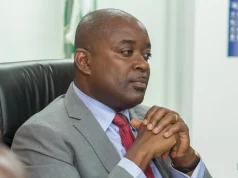

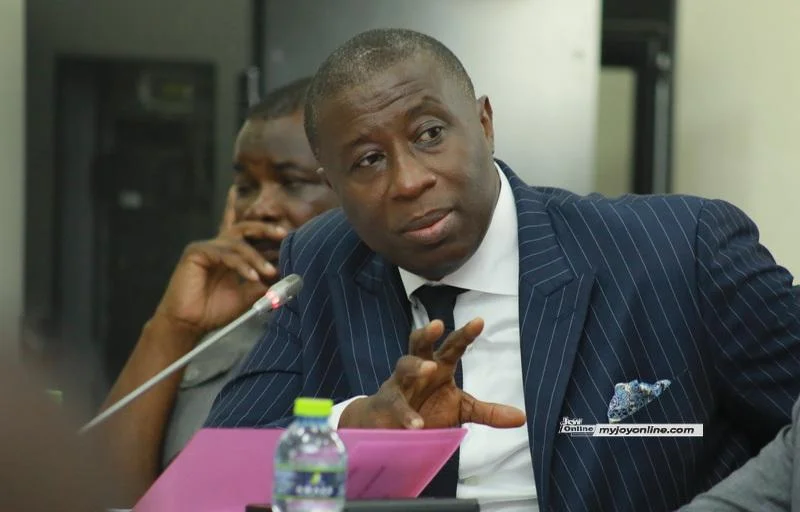
Member of Parliament for Okaikwei Central, Patrick Yaw Boamah, has appealed to the Minister of Finance over what he identified as urgent structural and operational challenges in the application of interest and penalty provisions under the Revenue Administration Act, 2016 (Act 915).
The MP has called for immediate policy and legislative reforms to address these challenges.
Speaking to journalists at Parliament House, Mr Boamah, who is Chairperson of the Subsidiary Legislation Committee, indicated that while Act 915 was a landmark in transforming Ghana’s tax administration and strengthening the Ghana Revenue Authority (GRA) to enforce compliance, its practical implementation has revealed unexpected consequences.
He cautioned that the current interest and penalty framework risked eroding taxpayers’ confidence, undermining economic productivity, and discouraging voluntary compliance.
Mr Boamah further raised concerns about alleged abuse by some tax enforcement officers, claiming that certain officials harass firms and secretly extort money from companies struggling to meet their tax obligations.
He argued that such practices not only damage the integrity of Ghana’s tax system but also discourage investment and business growth.
The legislator highlighted three key provisions that have created what he termed a “Revenue-Penalty Trap.”
According to him, these include interest rates of up to 125% of the Bank of Ghana’s Monetary Policy Rate, monthly compounding of interest, and retrospective application of interest from the original due date of tax liabilities.
He explained that when these provisions are combined with extended audit timelines and assessments issued years after the relevant tax period, taxpayers often end up facing liabilities that far surpass the original tax owed.
The MP has called on the Finance Ministry to review the interest and penalty regimes under Act 915 to ensure fairness, transparency, and sustainability in tax administration.