

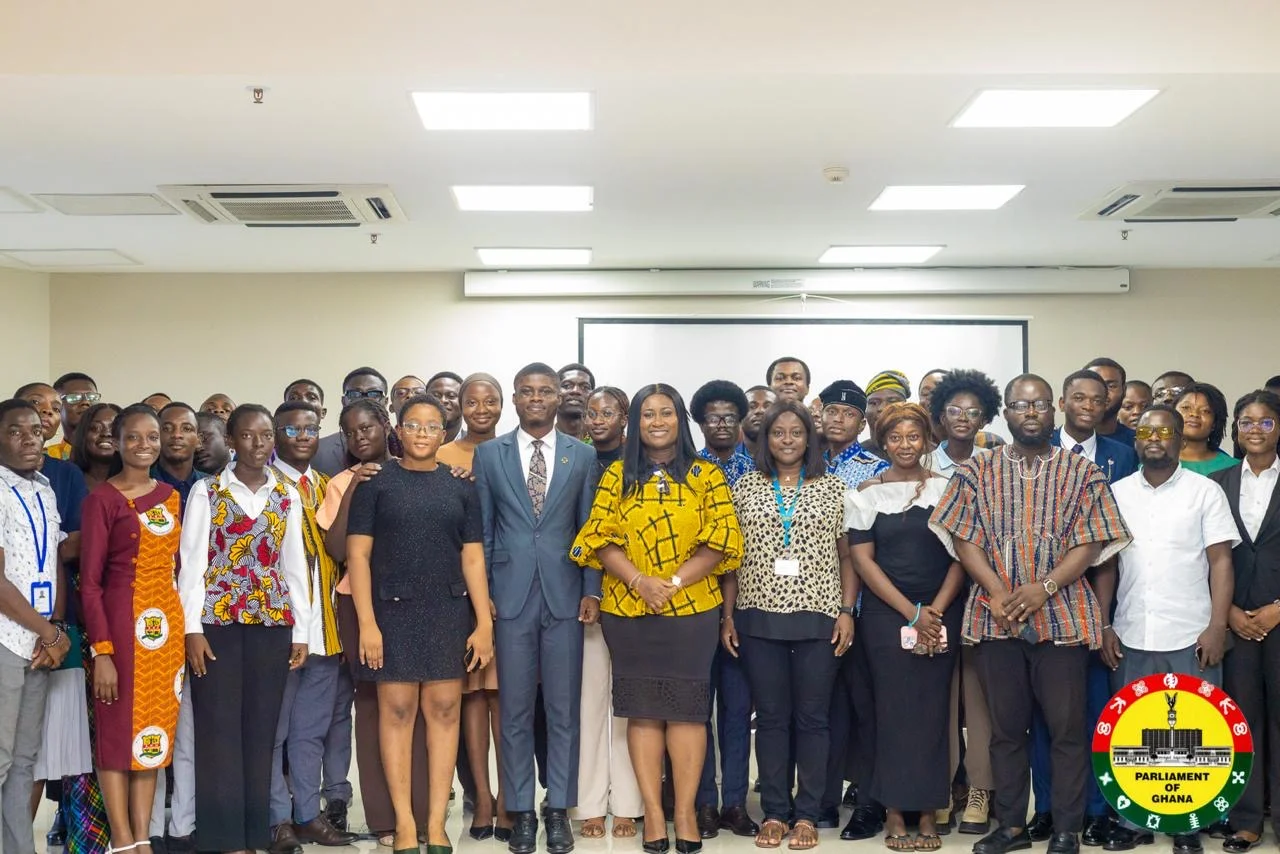
Key issues discussed included governance structures, membership, electoral processes, non-partisanship, and inclusion, with particular attention to gender balance and representation of persons with disabilities. Participants welcomed the initiative as a step towards strengthening civic education and youth participation in democratic processes.
Participants endorsed the charter’s emphasis on non-partisanship but called for stronger safeguards against political interference. They also proposed clearer provisions on leadership tenure, succession planning, and electoral dispute resolution to improve transparency and accountability.
Feedback from the consultations will be consolidated into a revised draft for further review before adoption. Once implemented, the charter is expected to formalise Student Parliaments as platforms linked to Parliament and to create a structured pathway for youth engagement in governance.
The Parliament of Ghana currently has over 3,000 registered student members across the country. It aims to provide students with practical exposure to legislative processes while encouraging debate on issues affecting youth development.
The Department is expected to continue consultations with other stakeholders in the coming weeks, including universities, Members of Parliament, and educators.
Participating institutions included All Nations University, Central University, UNIMAC, the University of Ghana, KNUST, UPSA, Pentecost University, Wisconsin International University, Islamic University College Ghana, and Accra Technical University, as well as past Student Speakers and civil society organisations.