By Nana Karikari, Senior International Affairs and Political Analyst
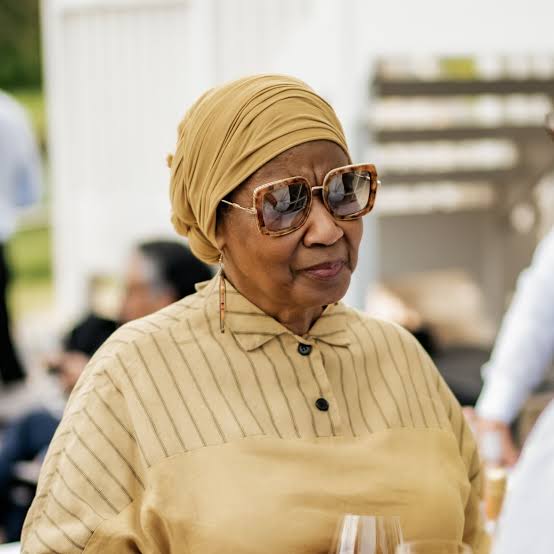
Phumzile Mlambo-Ngcuka, the veteran anti-apartheid activist who became South Africa’s first female deputy president and later led the United Nations’ gender equality agency, has died at 71. South African Acting President Paul Mashatile confirmed her passing in a Friday evening announcement, delivering condolences on behalf of President Cyril Ramaphosa, who was away on official travel in the United States. Neither state officials nor her political party, the African National Congress, immediately disclosed the exact date, cause, or location of her death. Mashatile noted that the family requested privacy as authorities coordinate funeral arrangements.
From Anti-Apartheid Activism to Cabinet Leadership
Born into a segregated nation, Mlambo-Ngcuka first worked as a teacher in KwaZulu-Natal before joining the anti-apartheid movement. When white minority rule ended in 1994 and Nelson Mandela won the presidency, she entered South Africa’s first democratic Parliament as an ANC lawmaker.
Her legislative work quickly led to senior cabinet posts. She served as deputy minister of trade and industry before becoming minister of minerals and energy.
Navigating a Turbulent Political Era
In 2005, Mlambo-Ngcuka stepped into South Africa’s second-highest office during a volatile political chapter. Rival factions were fracturing the ruling ANC amid a bitter succession battle.
She replaced Deputy President Jacob Zuma, who was fired after being implicated in a corruption scandal involving an arms deal. While her background as an activist and lawmaker was widely recognized, her appointment drew immediate criticism. Opponents scrutinized her marriage to Bulelani Ngcuka, the country’s lead prosecutor who had pursued corruption charges against Zuma. She held the deputy presidency until 2008.
Championing Gender Equality on the World Stage
After leaving the domestic office, Mlambo-Ngcuka took her advocacy to the international stage. From 2013 to 2021, she served as a U.N. under-secretary-general and executive director of U.N. Women.
Across those eight years, she pressed governments and global institutions to dismantle systemic barriers facing women and girls.
A Lasting Footprint Across Africa
For the wider African continent, Mlambo-Ngcuka stood as a benchmark for African women holding top multilateral authority. During her tenure at U.N. Women, she mobilized billions of dollars in global commitments to advance women’s economic inclusion, maternal health, and political representation across developing nations.
Even after stepping down from the U.N. in 2021, she remained deeply focused on Africa’s demographic future. Serving as Chancellor of the University of Johannesburg and working as a fellow at the Robert Bosch Academy in 2026, she championed vocational training and educational reform to prepare Africa’s fast-growing youth population for modern labor markets.
Global Tributes Pour In
News of her death drew swift reactions from domestic allies and international leaders.
“Mama Phumzile was a distinguished leader of our movement and a dedicated servant of the people. She made history as the first woman to serve as Deputy President of South Africa,” the ANC said in a Friday statement.
U.N. Secretary-General António Guterres expressed condolences, calling her “a lifelong champion of the rights and empowerment of women and girls.”
“Phumzile Mlambo-Ngcuka’s fight began long before she entered the world stage. As a young teacher in KwaZulu-Natal and an activist against apartheid, she learned that freedom is never complete until it reaches every woman and every girl,” Guterres said on Friday.
U.N. Women also paid tribute to its former director, noting that her courage inspired people globally and helped shape an international movement.
“From her early days as an anti-apartheid activist to becoming South Africa’s first woman Deputy President, and later leading U.N. Women from 2013 to 2021, she devoted her life to justice and equality,” the agency said in a statement.
President Mahama Honors a Continental Trailblazer
Ghanaian President John Dramani Mahama also joined continental leaders in mourning Mlambo-Ngcuka, describing her as an influential African stateswoman whose contributions to gender equality, peace, and security will be deeply missed. In a Monday statement, Mahama extended his condolences to her family, the South African government, and its citizens. Reflecting on her tenure as South Africa’s deputy president and executive director of U.N. Women, he noted that she “championed gender equality with passion” and was “a trailblazer whose impact resonated worldwide”.
Mahama also highlighted their close professional collaboration through the Tana High-Level Forum on Security in Africa—which he chairs and where Mlambo-Ngcuka served as a board member. He praised the forum’s reliance on her deep experience in tackling continental security and development challenges.
“Her Excellency’s unwavering commitment to peace, security, and the development of our continent leaves a void that will be deeply felt,” Mahama wrote, concluding his tribute with a prayer for her peaceful repose.
Mlambo-Ngcuka is survived by her husband, Bulelani Ngcuka, and their five children. Her career bridged South Africa’s transition to democracy and a decade of global gender advocacy, leaving a lasting imprint on both continental governance and international diplomacy.