

By Christabel DANSO ABEAM and Sandra Agyeiwaa OTOO
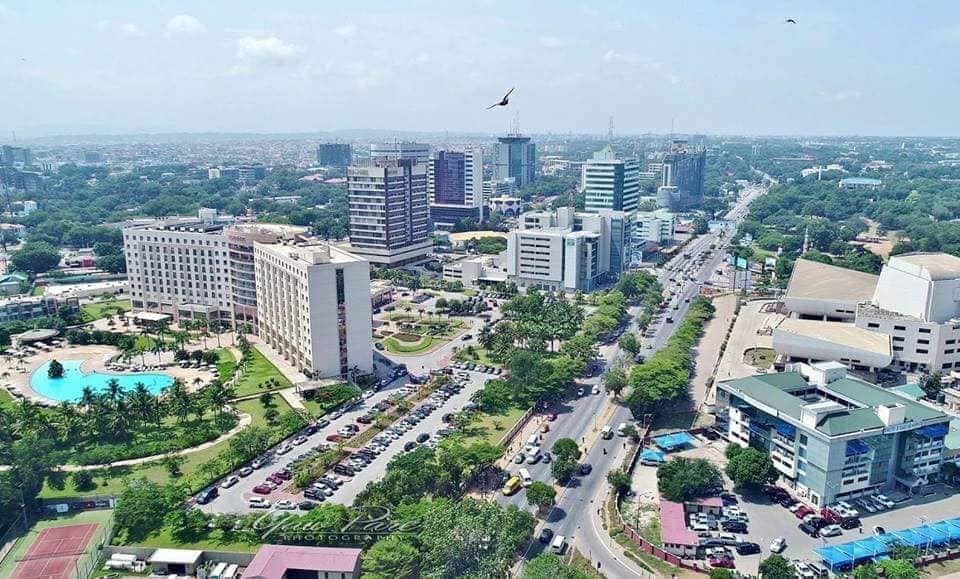
The World Bank has identified public-private partnerships (PPPs) as a key financing mechanism to help Ghana bridge an estimated annual infrastructure financing gap of US$37.2billion, as rapid urbanisation intensifies pressure on transport, housing, water, sanitation, energy and other essential services.
According to the World Bank’s Ghana Sustainable Cities Strategy report, Ghana has implemented 13 PPP projects with a combined investment value of US$2.75billion. A further 21 projects worth US$21.35billion are in the pipeline, with about 94.4 percent of the proposed investment concentrated on rail transport, urban mobility and water supply.
Beyond PPPs, the strategy recommends strengthening municipal finance through improved property taxation, land value capture mechanisms and enhanced local revenue mobilisation. It also calls for reforms in urban planning and land administration to ensure infrastructure investment keeps pace with future urban growth.
The report argues that sustainable urban development will require stronger coordination between national and local governments, greater private-sector participation, improved financing mechanisms and more effective urban planning.
The study warns that while urbanisation has driven economic growth, job creation and higher living standards, infrastructure investment has failed to keep pace with the country’s expanding cities.
Ghana’s urban population increased from fewer than four million people in 1990 to 17.5 million in 2021, representing 57 percent of the population. The report projects that nearly 70 percent of Ghanaians will live in urban areas by 2050, with cities expected to accommodate an additional 12 million residents.
To support this expansion, Ghana will need to invest an estimated US$37.2billion annually in infrastructure. Current spending, however, falls well short of that requirement.
Between 2010 and 2020, government capital expenditure averaged 6.8 percent of total expenditure – equivalent to 1.24 percent of GDP. Overall infrastructure investment averaged 5 percent of GDP during the period, marginally below the 5.4 percent average for lower-middle-income countries.
The strategy also notes that infrastructure sectors accounted for only 12 percent of planned public capital expenditure in the 2023 Budget, while social sectors received more than 68 percent.
According to the report, this persistent investment shortfall has contributed to worsening congestion, inadequate housing, poor sanitation, overburdened transport systems and limited access to basic urban services.
It further notes that Ghana’s urban footprint is expanding by about 3.2 percent annually while population density remains relatively low compared with many African cities. This pattern of urban sprawl increases the cost of providing infrastructure and public services.
The report adds that extending infrastructure to existing informal settlements is significantly more expensive than servicing planned communities. Retrofitting roads, drainage, water supply and sewerage systems in informal settlements can cost between two and eight times more than providing the same infrastructure in planned neighbourhoods, underscoring the economic benefits of proactive urban planning.
Post Views: 11
Discover more from The Business & Financial Times
Subscribe to get the latest posts sent to your email.