

By Joshua Worlasi AMLANU, Washington D.C
[email protected] / [email protected]
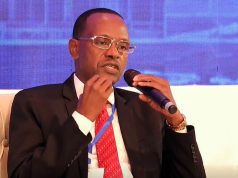
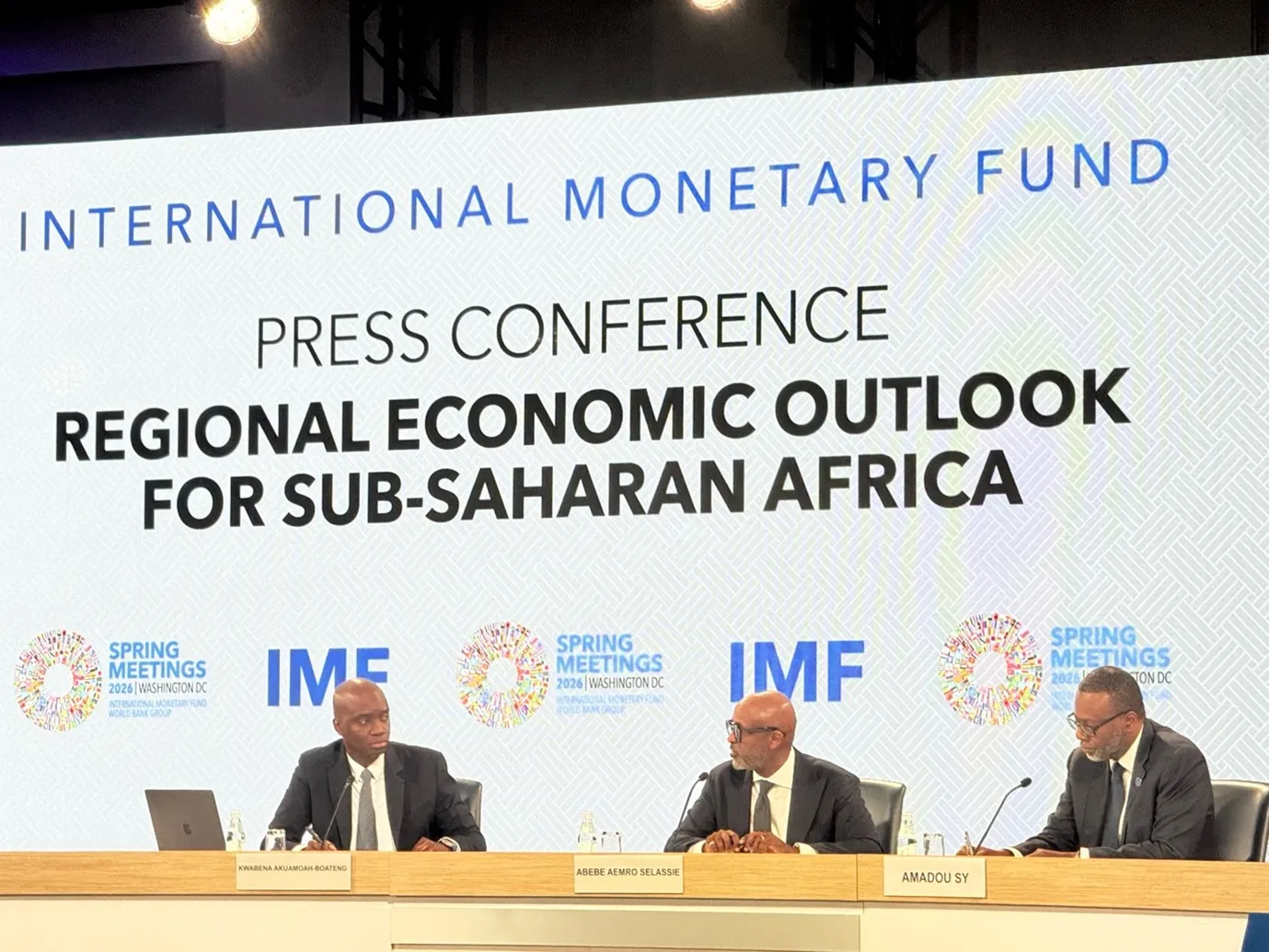
The country’s economic recovery is firmly underway following recent macroeconomic stabilisation, but sustaining fiscal discipline after the International Monetary Fund (IMF) programme ends will be critical to preserving gains, Abebe Aemro Selassie, Director of the IMF’s African Department, said.
Speaking at the release of the IMF’s April 2026 Regional Economic Outlook for sub-Saharan Africa, Mr. Selassie pointed to sustained improvements in macroeconomic indicators over the past two years, driven by policy reforms implemented under the IMF-supported programme.
He said Ghana’s recovery reflects consistent efforts to strengthen revenue mobilisation, address structural weaknesses in state-owned enterprises and stabilise the energy sector.
“We have been very happy to see the continued improvement in macroeconomic outcomes in Ghana,” Mr. Selassie said, adding that reforms “on the revenue side” and in the energy sector are helping to clear the path for recovery.
Recent data indicate a marked turnaround in fiscal performance. The country’s primary balance shifted from a deficit of 2.9 percent of GDP in 2024 to a surplus of 2.6 percent in 2025, while the debt-to-GDP ratio declined to 45.3 percent from 61.8 percent, significantly outperforming earlier targets.
Similarly, international reserves have also strengthened, covering 5.8 months of imports, reflecting improved external stability and policy credibility.
The broader macroeconomic environment has also improved. Growth rose to about 6 percent in 2025, supported by easing monetary conditions and improving investor confidence. Inflation declined sharply from 23.8 percent in 2024 to 5.8 percent in 2025 and further to 3.2 percent by March 2026, while the cedi appreciated by more than 40 percent against the US dollar in 2025.
Mr. Selassie attributed these gains to a combination of fiscal consolidation and structural reforms, noting that the programme has helped anchor policy credibility. However, he cautioned that the post-programme period will test the country’s ability to maintain discipline without external oversight.
“Going forward, it is really about how to make sure that the fiscal balance remains contained and there is a continued balance between addressing development needs and avoiding sustainability challenges,” he said.
The IMF reiterated that responsibility for sustaining reforms lies with domestic stakeholders. “This is not for IMF. This is for the people of Ghana – the government, the private sector and civil society to take,” the director said.
He noted the need for institutional ownership of policy direction.
Policy priorities are expected to focus on strengthening domestic revenue mobilisation through improved tax policy and administration, supported by digitalisation. Mr. Selassie noted that reducing tax expenditures, including exemptions and preferential rates, estimated at about three percent of GDP in the region, remains a key reform area. Authorities are also exploring property taxation as an additional revenue source.
On the expenditure side, governments are expected to reprioritise spending to protect critical social programmes while improving efficiency. Mr. Selassie said rebuilding fiscal buffers over the medium-term will be essential, particularly as external risks intensify.
The regional outlook has become more complex following the escalation of geopolitical tensions in the Middle East, which has led to higher energy and transportation costs. He warned that these pressures are already affecting households, with rising living costs “making life difficult for people”.
Despite these risks, Ghana is seen as one of the stronger-performing economies in the region, supported by reforms and improved buffers. The IMF projects growth of about 4.6 percent for the country, broadly aligned with other forecasts.
In the outlook, the director said maintaining reform momentum will be key to avoiding policy slippages that could reverse gains.
“The lessons of the recent past, hopefully, will be salutary,” he said, adding that the Fund remains optimistic about the country’s long-term potential if discipline is sustained.
Post Views: 2
Discover more from The Business & Financial Times
Subscribe to get the latest posts sent to your email.