By Nana Karikari, Senior Global Affairs Correspondent
Russian health authorities insisted that no epidemic risk exists following a laboratory worker’s death in Siberia. The World Health Organization pressed for complete transparency regarding the incident at the research facility. International scrutiny intensified as foreign governments demanded detailed clarifications from Moscow.
Official Russian Assertions
Rospotrebnadzor reported that preventative measures in the Irkutsk region are winding down. Medical monitoring concluded for over ninety percent of contacts linked to the deceased technician at the Irkutsk Research Anti-Plague Institute. Officials stated that nearly five thousand laboratory tests detected no dangerous pathogenic microorganisms.
The agency explicitly denied reports concerning a second case of illness connected to the deceased worker. Russian authorities maintained that the situation remains fully controlled and that communications with international bodies follow established practices. Kremlin representatives dismissed external concerns while asserting that all protocols were strictly observed.
Global Health Demands
World Health Organization leaders argued that a comprehensive risk assessment remains impossible without further data. Dr. Tedros Adhanom Ghebreyesus emphasized that timely and transparent information sharing is essential under international regulations. WHO experts revised their initial evaluation after determining the exact cause of death stayed undetermined.
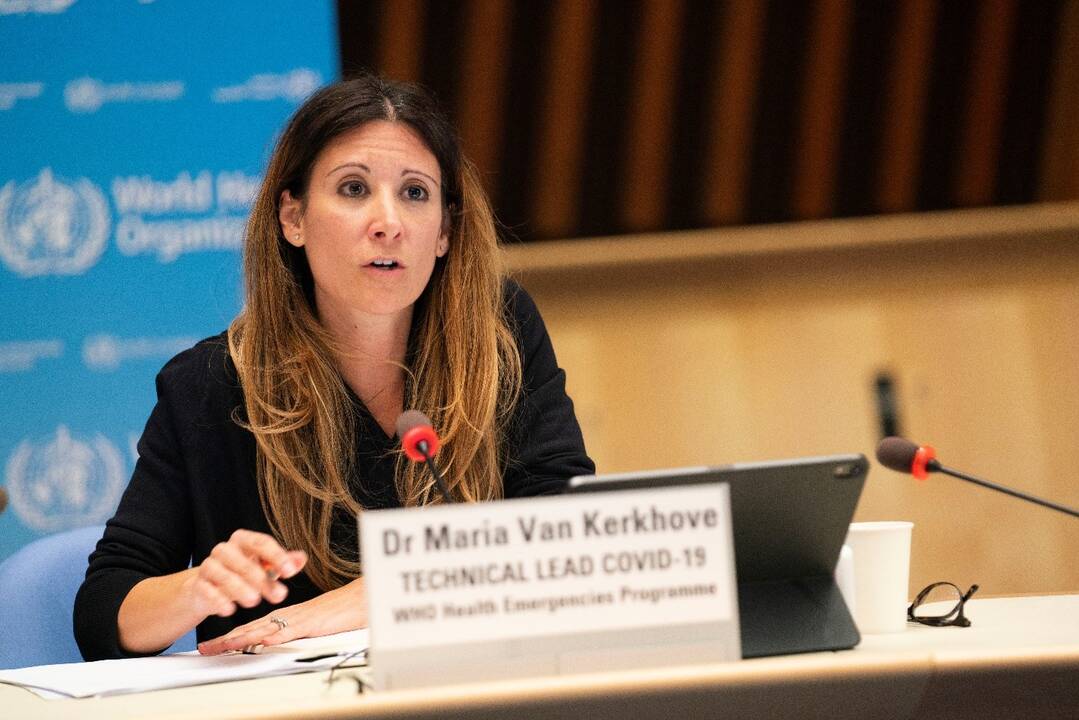
Dr. Maria Van Kerkhove stated that the organization reached out to the Russian Ministry of Health for specific answers. She noted, “So we do reach out to them to ask very detailed questions about what tests were done, the results of those laboratory tests.”
Van Kerkhove added, “What further analysis is being done if the cause is not yet known, what contacts were put under quarantine or under follow up.”
She further explained, “What we have been told is that they had no case of plague registered in this area, and that no high-threat pathogens were detected.”
Van Kerkhove concluded, “So clearly, we would like more information to understand which laboratory tests were conducted, which pathogens were evaluated, and if this individual didn’t die from plague, then how did she die?”
Diplomatic and Security Reactions
Washington launched formal diplomatic efforts to obtain concrete details from Russian counterparts. The State Department issued a formal démarche to demand comprehensive information about the laboratory incident. Secretary of State Marco Rubio addressed the diplomatic urgency surrounding the lack of verified data.
Rubio stated, “It’s incumbent upon Russia to obviously share more information with the world.”
He added, “Maybe it’s bigger than we thought. We don’t know, but I think it would be reckless at this moment, given the limited information we still have, to speculate.”
President Trump noted that the administration does not believe the worker perished from a bioweapon exposure. Trump remarked, “We don’t think so.”
He continued, “We’re going to find out soon enough, but we don’t think so.”
Trump acknowledged that Russian officials provided limited disclosures while maintaining that Moscow insists the situation is under control.
Epidemiological experts note that definitive pathogen identification and transparent data sharing remain vital to resolving international concerns.