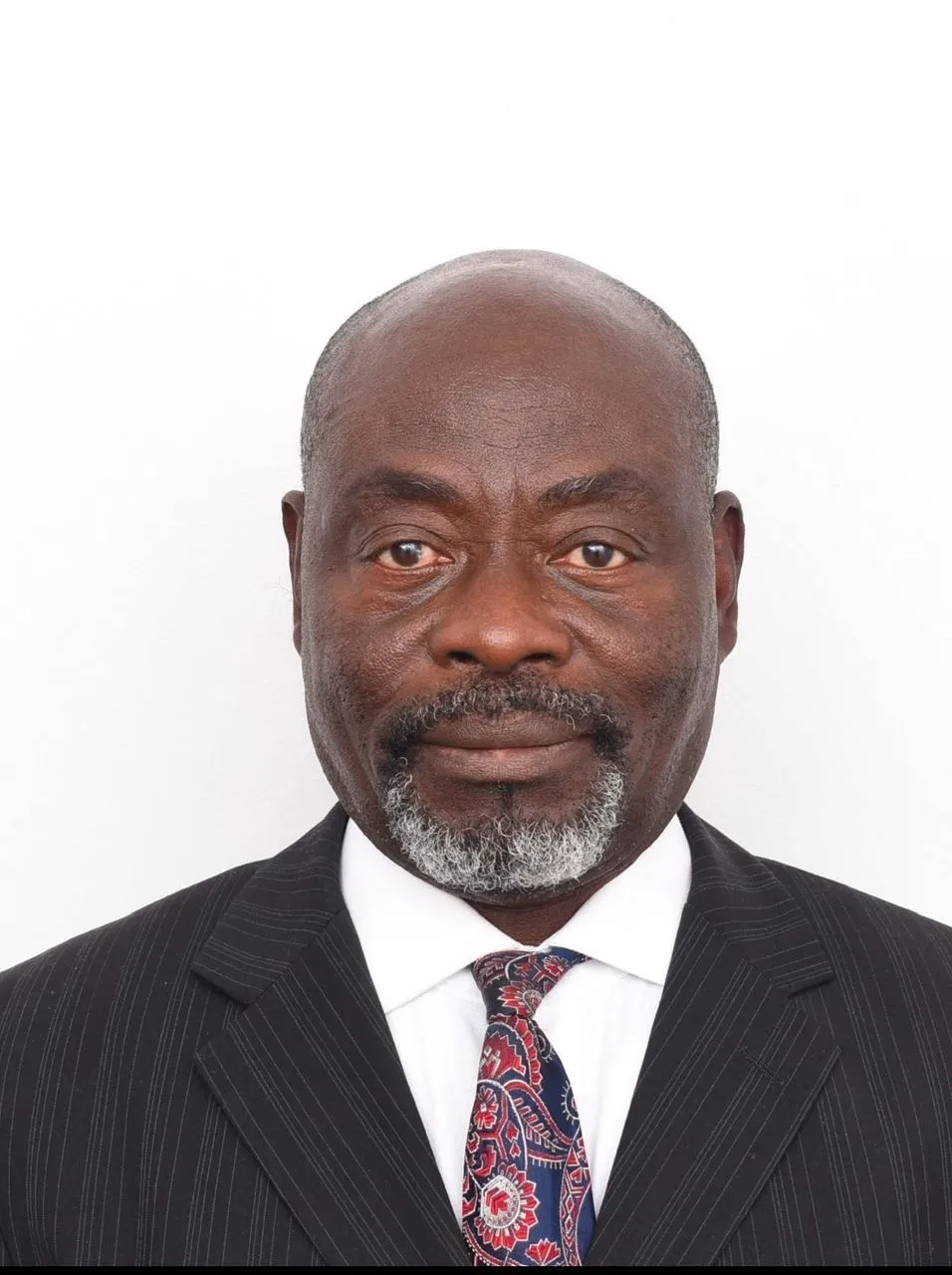
By Nana Sifa TWUM, PhD
As of early 2026, Ghana’s pension discourse has experienced a significant transformation subsequent to public disclosures indicating that the top-paid pensioner under the Social Security and National Insurance Trust (SSNIT) receives a monthly pension of approximately GH¢213,991.47.
Meanwhile, some of the lowest-paid pensioners obtain a monthly pension of barely GH¢400. This substantial disparity has ignited vigorous public debate concerning issues of fairness, equity, social justice, and the overall efficacy of Ghana’s pension system.
For many Ghanaians, the figures are shocking. In a country where many retired workers struggle daily with food prices, rent, transportation, medication, and utility bills, the idea that one pensioner receives over GH¢200,000 monthly while another survives on less than GH¢500 naturally raises questions about whether the pension system truly serves the collective interest of contributors.
The issue extends beyond mere emotions and public outrage. It concerns the fundamental principles underlying retirement security and the core tenets of social security systems. Pensions are designed to ensure dignity and financial stability following years of employment. Nonetheless, when disparities become exceedingly large, public trust in the system tends to diminish.
Ghana’s pension structure under SSNIT is largely based on contributions and earnings during active employment. In simple terms, workers who earned higher salaries and contributed more over time are entitled to higher pensions upon retirement. Those who earn lower wages naturally receive lower benefits.
On paper, this principle appears fair because pensions are tied to one’s contribution history. A highly paid chief executive, director, judge, or senior public official who contributed substantial amounts over several decades would logically receive higher retirement benefits than a low-income worker whose contributions were relatively small.
However, the current disparity raises a broader moral and policy question: should there be limits within a national social protection system designed to protect citizens from poverty in old age?
Critics argue that while differences in pensions are understandable, the gap between GH¢213,991 and GH¢400 is excessively wide and socially troubling. Such inequality creates the impression that the pension system disproportionately rewards a privileged few while leaving many ordinary contributors vulnerable and financially insecure after retirement.
The situation becomes even more concerning when one considers Ghana’s economic realities. Many pensioners receiving low monthly benefits are former teachers, labourers, clerical officers, drivers, sanitation workers, security guards, and junior public servants who dedicated decades of service to the country. Yet after retirement, some struggle to afford basic necessities.
For a pensioner surviving on GH¢400 monthly, retirement can become a painful experience rather than a period of dignity and rest. Healthcare alone can consume the entire pension amount within days. Food inflation, transportation costs, utility bills, and accommodation pressures make survival increasingly difficult for low-income pensioners. Thanks to the recent trend in these.
This raises important concerns about the adequacy of Ghana’s pension system. A pension system should not merely pay benefits; it should ensure that retirees can maintain a reasonable standard of living after active employment. If pension benefits are too low to meet basic human needs, contributors may lose faith in the system.
The disparity also affects younger workers and active contributors psychologically. Many workers ask themselves whether decades of contributions are truly worthwhile if retirement eventually leads to hardship. Informal sector workers, who already show low participation in pension schemes, may become even more reluctant to join when they perceive the system as unfair or unequal.
Supporters of the current structure, however, argue that the system simply reflects economic realities and contribution principles. They maintain that SSNIT is not designed as an equal-sharing welfare system but as a contributory insurance scheme. According to this view, benefits must correspond to contributions; otherwise, the system risks becoming financially unsustainable.
They further argue that imposing strict caps on high pensions may discourage compliance among higher-income earners and weaken confidence among contributors who pay substantial amounts into the scheme throughout their working lives.
This argument has merit. Pension systems worldwide generally calculate benefits based on salaries, contribution periods, and actuarial formulas. A worker who contributes significantly more is expected to receive proportionately higher retirement benefits. Completely flattening pension structures may undermine compliance incentives and reduce trust among contributors.
Nevertheless, even within contributory systems, many countries introduce balancing mechanisms to reduce extreme inequalities. These mechanisms often include minimum pension guarantees, redistribution formulas, social interventions, and pension ceilings to protect vulnerable retirees while maintaining sustainability. The central challenge for Ghana, therefore, lies in balancing fairness with sustainability.
One of the most urgent reforms Ghana must consider is strengthening minimum pension protections. No pensioner who contributed faithfully for decades should retire into extreme poverty. A retirement benefit of around GH¢400 in today’s economic conditions is clearly inadequate for basic survival.
Government and pension regulators should therefore review the minimum pension threshold to reflect current living costs and inflation levels. Pension indexation policies must also respond more aggressively to rising prices and economic hardships affecting retirees.
At the same time, there may be a need for broader national discussions about pension ceilings or moderation mechanisms for extremely high pensions. Such conversations must be handled carefully to avoid undermining the system’s contributory nature. However, public concerns about social equity cannot simply be ignored.
The debate also exposes deeper inequalities within Ghana’s labour structure itself. Pension disparities often reflect salary disparities accumulated over decades. Workers in lower-income sectors typically contribute less, not because they are less hardworking, but because wages in their professions have historically remained low.
This means pension reform cannot be separated from broader discussions about wages, labour conditions, and social protection. Improving pension outcomes requires improving overall income security during active working years.
Transparency is equally important. Many contributors still do not fully understand how pension calculations are made. Public education on contribution formulas, benefit computations, and pension structures would help reduce suspicion and misinformation surrounding the system.
Additionally, Ghana must accelerate efforts to include informal-sector workers in pension schemes. Millions of Ghanaians currently risk entering old age without any retirement protection. Expanding pension coverage through flexible contribution systems, mobile money platforms, and simplified registration processes can help improve retirement security nationally.
The current debate should not become an attack on individual pensioners receiving high benefits. Those individuals may have contributed lawfully and substantially over many years under existing rules. Rather, the discussion should focus on whether the overall system adequately protects all contributors from poverty and insecurity in retirement.
Ultimately, the effectiveness of any pension system is measured not only by its financial calculations but by its social impact. A pension system must inspire confidence, protect dignity, and promote fairness across society.
Ghana’s widening pension disparity presents an important opportunity for national reflection. It forces policymakers, labour unions, pension managers, and citizens to ask difficult but necessary questions about equity, sustainability, and social justice.
If properly addressed, the current debate could lead to meaningful reforms that strengthen public trust, improve retirement security, and create a more balanced pension system for future generations. But if ignored, the growing perception of inequality may continue to weaken confidence in one of the country’s most important social protection institutions.
Post Views: 67
Discover more from The Business & Financial Times
Subscribe to get the latest posts sent to your email.