By Sharon Zoe Williams
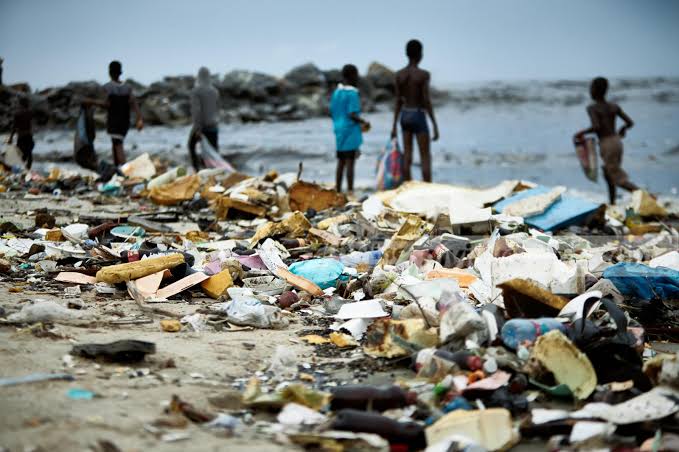
Every morning along the historic shores of Jamestown, local fishers push their wooden canoes into the Atlantic Ocean hoping for a bountiful catch to feed their families and supply local markets. Instead, what comes back in their nets is a bleak reflection of life on land: tangled masses of single-use plastics, coconut shells, worn fabrics, styrofoam containers, and urban debris.
According to environmental experts and coastal advocates featured on GBC News’ Wash Hour, as much as 92 to 95 percent of what artisanal canoes pull from the sea in critical fishing hubs isn’t fish—it’s garbage.
The Ocean Is Rejecting What We Give It
”The sea is a natural habitat that does not accommodate waste,” explained environmental stakeholders during the broadcast. “Garbage in will naturally be brought back out.”
With approximately 14,000 registered canoes operating along Ghana’s 550-kilometer coastline, the crisis poses an existential threat to the nation’s artisanal fisheries and food security. The problem is particularly acute in communities like Jamestown and Korle Gonno, located directly downstream from Accra’s major commercial centers—including Makola Market and the Central Business District—where waste washes down through urban estuaries like the Odaw River straight into the sea.
Debunking the Myth: Plastic Kills Marine Ecosystems
During the interview, experts addressed a common and dangerous misconception: the belief that plastic debris somehow serves as food or shelter for fish.
The panel firmly debunked this myth, emphasizing that fish and other marine organisms ingest non-biodegradable plastics, blocking their digestive tracts and killing them outright. For the fish that survive, toxic ingestion alters their taste and physiological development, causing cascading harm throughout the entire marine food chain—and ultimately returning to human dinner plates.
Beyond marine life, public health concerns are escalating. In coastal communities, open dumping and blocked drainage channels create prime breeding grounds for waterborne diseases like cholera, while heavy plastic saturation has gutted local beach tourism and cultural recreation.
Why Beach Clean-Ups Are No Longer Enough
Well-meaning non-governmental organizations and youth volunteers frequently organize beach clean-up exercises, clearing metric tons of plastic waste in single weekend drives. Yet, within 24 to 48 hours, those same shorelines revert to a state of heavy pollution.
Panelists pointed out that clean-ups address only the symptom, not the cause. Over 80 percent of marine pollution originates inland, driven by:
- Infrastructure Deficits: A lack of waste-trapping mechanisms or physical interceptors along major storm drains and rivers.
- Socioeconomic Realities: High poverty rates in congested urban informal settlements where structured waste collection is either inaccessible or unaffordable.
- Behavioral & Structural Dynamics: Poor household waste disposal habits combined with limited civic ownership of public environments.
”When poverty reaches right into people’s homes, waste disposal becomes a secondary concern,” noted one guest during the program. “If someone struggles to buy a meal, expecting them to pay extra fees to dispose of the food packaging is unrealistic unless the system supports them.”
A Sustainable Path Forward: Enforcement, Jobs, and EPR
To halt the degradation of Ghana’s coastal ecosystems, Wash Hour guests outlined a multi-pronged strategy aimed at long-term sustainability:
- Extended Producer Responsibility (EPR): Implementation of “polluter pays” frameworks forcing beverage and packaging manufacturers to fund post-consumer collection, recycling infrastructure, and sustainable packaging research.
- Permanent Coastal Youth Employment: Rather than short-term ad-hoc clean-ups, leveraging agencies like the Youth Employment Agency (YEA) to recruit and compensate local youth along coastal communities as permanent environmental wardens. These wardens would combine daily beach maintenance with community sanitation enforcement backed by municipal assembly bye-laws.
- Waste Segregation at Source: Establishing widespread household and market waste separation (sorting plastics from organic waste) to turn refuse into a valuable resource for recycling and composting industries.
- Upstream Engineering Interventions: Installing physical interceptors, waste traps, and modernized drainage nets along major river inflows to catch trash before it reaches the ocean.
- Corporate Accountability: Calling on major financial institutions, tourism operators, and corporate bodies to adopt coastal stretches under robust Environmental, Social, and Governance (ESG) frameworks.
Ghana’s ocean resources—supporting millions of livelihoods and accounting for vital national heritage—stand at a critical tipping point. Without decisive policy enforcement, structural engineering changes, and systemic funding, the tide of inland trash will continue to wash away the country’s maritime future.