Balancing road safety, vehicle-owner accountability and workers’ rights, particularly in Ghana’s informal sector
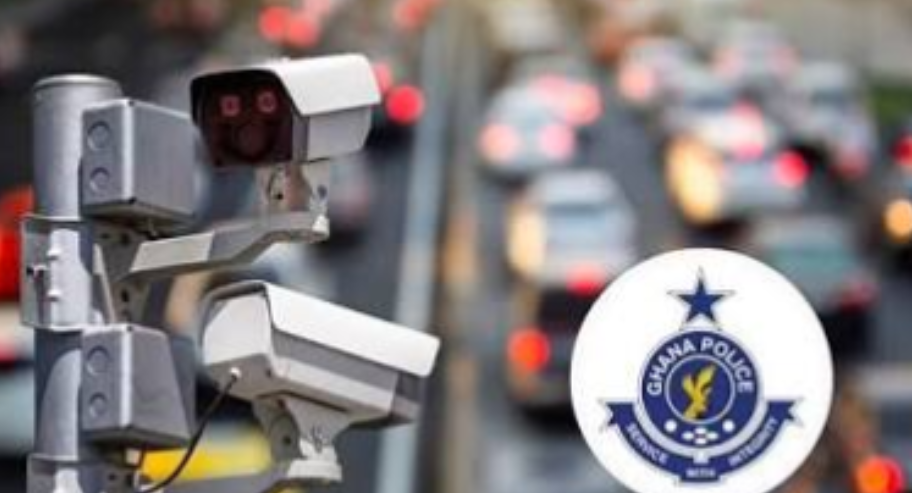
Ghana’s introduction of the TraffiTech-GH automated traffic enforcement system marks an important step towards improving road safety and promoting discipline on the country’s roads.
However, the system raises an important question: When a driver commits a traffic offence while operating an employer-owned vehicle, who should ultimately bear the cost of the fine – the driver or the employer?
The debate goes beyond traffic enforcement. It touches on labour rights, economic justice and accountability, particularly for thousands of Ghanaians working in the informal transport sector.
Ownership versus responsibility
Under the TraffiTech-GH enforcement system, electronic notices of violation are issued to the registered owners of vehicles captured committing traffic offences.
The Ghana Police Service has clarified that where a vehicle is registered in the name of a company or employer, the company is liable for the fine and must either pay or contest the notice. The registered owner remains liable regardless of who was driving at the time of the offence. Ghana Police Service
However, the fact that a vehicle owner receives the notice does not necessarily settle the question of who should ultimately bear the financial cost within an employment relationship.
It is important to distinguish between liability under the traffic enforcement system and financial responsibility between an employer and an employee.
What does the Labour Act say?
The Labour Act, 2003 (Act 651), provides important protections for workers.
Section 69(2)(a) prohibits employers from imposing pecuniary penalties on workers, while Section 69(2)(b) restricts deductions from workers’ remuneration except where permitted under Section 70 or another law.
Section 70 outlines the circumstances under which deductions may lawfully be made, including certain deductions made with the worker’s consent and deductions arising from losses or damage under specified conditions. Ministry of Labour, Jobs & Employment+1
This means employers cannot automatically impose financial penalties on employees or deduct traffic fines from their salaries without considering the applicable legal provisions.
At the same time, Section 11 of the Act requires workers to exercise due care in performing their duties. Drivers must therefore comply with traffic regulations and take responsibility for established misconduct.
The challenge is to ensure that accountability does not undermine the legal protections workers are entitled to enjoy.
The informal sector: A critical concern
The implications may be even greater in Ghana’s informal sector, where thousands of taxi drivers, trotro operators, delivery riders and commercial drivers work under daily sales targets, commission arrangements, daily vehicle rentals and informal agreements.
Consider a taxi driver who pays a daily rental fee to a vehicle owner. If an electronic fine is issued several days later, should the owner automatically transfer the cost to the driver without first establishing who was driving and the circumstances surrounding the offence?
Equally, where an employer fails to maintain a vehicle properly or pressures a driver to operate under unsafe conditions, responsibility cannot fairly be transferred entirely to the worker.
Informal-sector workers deserve protection, too. The absence of formal employment contracts must not become an opportunity for exploitation.
The need for balanced accountability
The relevant authorities should provide clear guidelines addressing driver identification, responsibility for fines, lawful deductions, vehicle maintenance, employer negligence and the realities of informal commercial transport.
Such guidelines would help prevent disputes between vehicle owners and drivers while ensuring that the enforcement system operates fairly.
A driver who deliberately violates traffic regulations must be held accountable. Equally, an employer who neglects vehicle safety or encourages unlawful conduct must accept responsibility.
Road safety must not become an excuse for labour injustice, just as workers’ rights must not become an excuse for irresponsible driving.
Ghana needs an enforcement system that protects lives, respects workers’ remuneration and holds drivers and vehicle owners accountable in accordance with the law.
Let technology enforce discipline on our roads, but let justice determine who pays the price.