


The University of Ghana has reinforced its position as a leading hub for research and policy engagement in Africa, following the launch of the Africa Regional Collaborative for Agriculture, Nutrition and Health (ANH-ARC) in Accra. The initiative, unveiled on the University’s campus, places the institution at the centre of a major continental effort to transform food systems, improve diets, and address the disconnect between food production and health – the rising nutrition-related health challenges.
Positioned as the African node of the global ANH Academy Science–Policy Platform, the ANH-ARC is co-led by three African institutions – the University of Ghana (Ghana), Policy Studies Institute (Ethiopia) and Stellenbosch University (SU). The initiative connects African institutions to a worldwide network of more than 13,000 researchers, practitioners, and policymakers working to strengthen the role of evidence in shaping food systems, nutrition, and health outcomes. The University of Ghana hosts its Secretariat, underscoring its strategic role in advancing the science–policy interface on food systems across the continent.
University Leadership Highlights Urgency of Food Systems Transformation
At the launch, the Vice-Chancellor, Professor Nana Aba Appiah Amfo, was represented by the Pro Vice-Chancellor, Professor Felix Asante, who reaffirmed the University’s commitment to advancing policy-relevant research for Africa’s development. Welcoming participants, the Pro Vice-Chancellor described the initiative as “a significant step toward a more coordinated, evidence-driven, and African-led approach to transforming our food systems.”
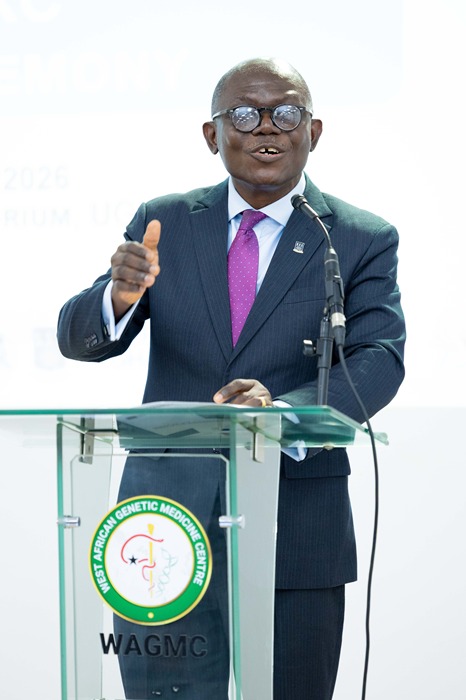
He noted that while agriculture remains central to many African economies, millions of people still lack access to affordable and nutritious diets, even as countries face rising food prices, climate change, urbanisation, and multiple forms of malnutrition. “Agriculture, nutrition, and health are deeply interconnected,” he said, “but too often, our policies, investments, and institutions operate in silos.”
He explained that the ANH-ARC seeks to bridge this gap by ensuring that scientific evidence is translated into practical decisions that improve diets, health, and livelihoods.
The Pro Vice-Chancellor added that the University was proud to host the initiative in partnership with institutions in Ethiopia and South Africa, describing the collaboration as a reflection of strong African leadership and shared commitment to locally grounded solutions. “The University of Ghana sees this initiative as aligned with our mission not only to generate knowledge, but to ensure that knowledge serves society,” he said.
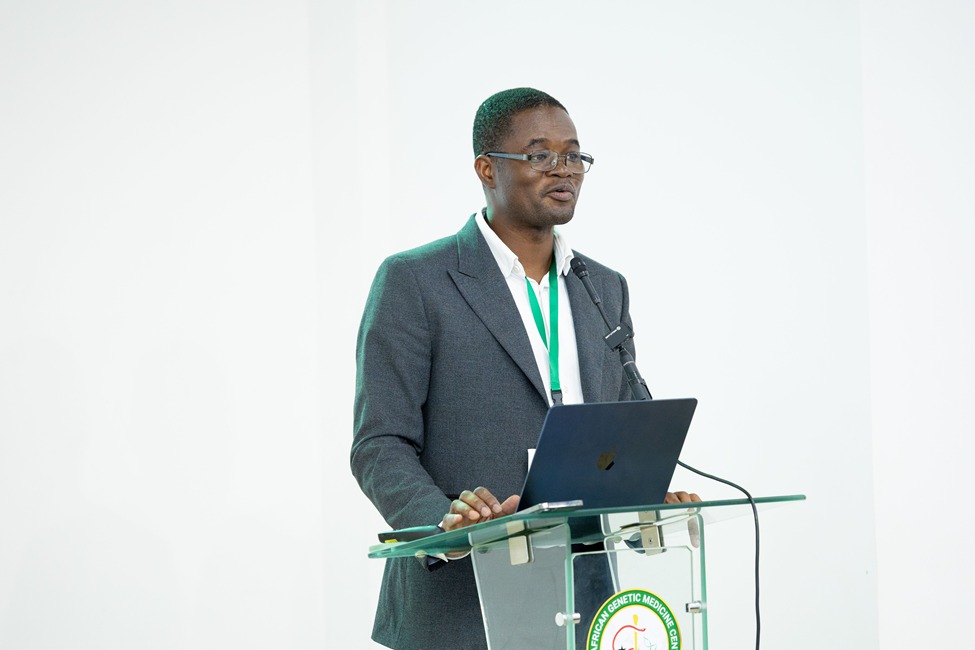
Central to the initiative is Professor Amos Laar, a Professor of Public Health Nutrition at the University of Ghana and Principal Investigator and first Director of ANH-ARC.
His leadership places the University at the forefront of efforts to bridge the gap between research and policy implementation in Africa’s food systems.
During his presentation, Prof. Laar emphasised that food systems across the continent remain fragmented, limiting their effectiveness in addressing malnutrition and diet-related diseases.
“Agriculture, nutrition, and health can no longer operate in silos,” he stated, calling for integrated, evidence-driven approaches to policymaking.
He explained that the Collaborative would generate and translate policy-relevant evidence to support governments in improving food environments and access to healthy diets, while strengthening governance and financing systems.
Platform for Collaboration and Action
The launch brought together stakeholders from academia, government, civil society, and international organisations (from the UK, Canada, USA, Sweden, South Africa, Ethiopia, Senegal, Botswana, Rwanda, etc) to discuss practical pathways for transforming Africa’s food systems. Participants highlighted the need for stronger coordination, improved affordability of nutritious foods, and policies that promote healthier diets.
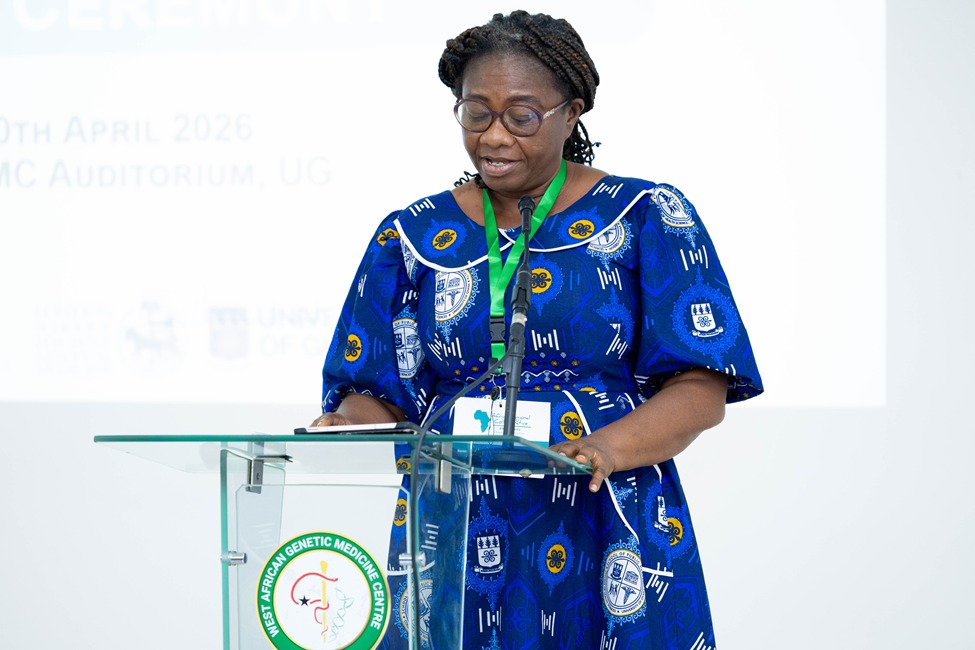
On her part, the Director of Public Affairs, Dr. Elizier T. Ameyaw-Buronyah, read a solidarity message on behalf of the University, noting that the ANH-ARC aligns strongly with the University of Ghana’s Strategic Plan (2024–2029), particularly its emphasis on impactful research, strategic partnerships, and policy engagement to address national and global development challenges. She also acknowledged the support of development partners, including the Gates Foundation and the UK Foreign, Commonwealth and Development Office.
Strengthening Ghana’s Role in Regional Leadership
By hosting the initiative, the University of Ghana is positioning the country as a key player in shaping Africa’s food systems transformation agenda. As the launch concluded, a key message emerged: transforming Africa’s food systems will require sustained collaboration, bold thinking, and a firm commitment to translating knowledge into action. The University of Ghana is expected to contribute to this agenda by leveraging its research capacity, convening power, and strategic partnerships to support evidence-informed policymaking and drive sustainable impact across the continent.
DISCLAIMER: The Views, Comments, Opinions, Contributions and Statements made by Readers and Contributors on this platform do not necessarily represent the views or policy of Multimedia Group Limited.
DISCLAIMER: The Views, Comments, Opinions, Contributions and Statements made by Readers and Contributors on this platform do not necessarily represent the views or policy of Multimedia Group Limited.
Source link