By Nana Karikari, Senior Global Affairs Correspondent
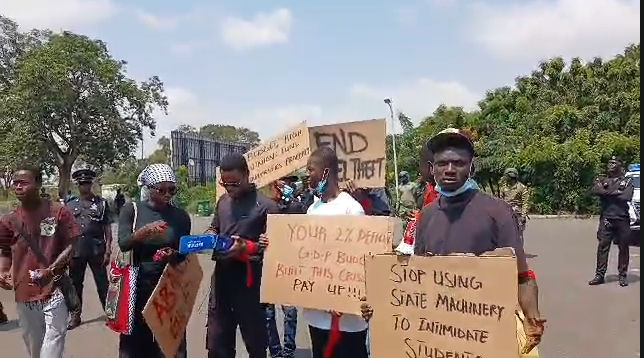
Tensions flared at the University of Ghana on Monday, November 9, as students launched a demonstration over rising accommodation expenses and residential administrative policies. Organized by the Concerned Students of the University of Ghana, the campus action proceeded after a postponement from November 2 to allow police personnel sufficient time to prepare.
The demonstration targeted a proposed 26% hostel fee increase, which university authorities subsequently reduced to 15% for standard rooms housing four students following preliminary discussions with student leaders. Demonstrators are demanding an immediate reversal of the price hike alongside the complete abolition of the University of Ghana Enterprise Limited (UGEL) hostel management framework. Protesters further called for the immediate dismissal of UGEL management, accusing leadership of failing to safeguard student interests and operating without transparency.
Students contend that current housing structures prioritize institutional revenue over basic student welfare.
Students Protest Exploding Costs and Deplorable Conditions
Aggrieved students gathered on campus to express frustration over what they describe as unbearable living expenses. Rising accommodation costs, coupled with deplorable conditions in several university hostels, have made campus living increasingly difficult, particularly for students from lower-income backgrounds who rely on university housing to pursue their degrees.
Protesters accused university management of placing financial considerations above student welfare, arguing that the UGEL-managed accommodation system has become increasingly unaffordable. Demonstrators warned that even the revised fee increment will worsen financial pressures on individuals who already struggle to meet the cost of tuition, feeding, transportation, and essential academic materials.
Participants expressed deep concern that elevated accommodation charges will ultimately force vulnerable students out of school.
Demands to Dismiss UGEL Management and Abolish Accommodation Model
Aggrieved students did not mince their words in expressing dissatisfaction with the UGEL-managed hostel system, characterizing it as an arrangement designed to exploit
students and generate profit at their expense. Protesters argued that management cannot increase accommodation charges without prior student consultation or visible improvements to residence facilities.
Students contend that the university accommodation management system has imposed an excessive financial burden without providing corresponding upgrades to living spaces. The situation raises serious questions regarding the university’s commitment to providing affordable, decent accommodation for its student population.
Demonstrators insist that campus housing should support academic pursuits rather than serve as a source of financial hardship. The student coalition is demanding greater fee transparency and the complete scrapping of the UGEL structure.
The protest occurred despite appeals from both the Students’ Representative Council (SRC) and the Graduate Students’ Association of Ghana (GRASAG-UG) urging students to refrain from demonstrating while dialogue continued. The action highlights broader national concerns regarding the affordability of higher education and basic facility access.
University Response and Regulatory Directives
In an official statement released on Sunday, November 8, University of Ghana management announced the reopening of formal discussions with the SRC, GRASAG-UG, and the UGEL Board to reach an equitable agreement on residential fees for the 2026/2027 academic year. Institutional officials acknowledged ongoing financial pressures while noting that fee structures account for operational demands, utility costs, and maintenance needs. Management emphasized that financial aid options remain accessible to students facing severe economic hardship. Meanwhile, Ghana’s Rent Control Department issued an official regulatory directive ordering UGEL and private hostel operators to suspend unassessed rent increases and process refunds for excess payments by November 17, 2026, placing national oversight on the university housing dispute.