
By Kizito CUDJOE
West African countries must strengthen tax collection systems and deepen regional cooperation to finance development priorities and reduce reliance on external funding, Mali’s Finance Minister, Alousseni Sanou, has said, warning that no country can tackle emerging tax challenges alone.
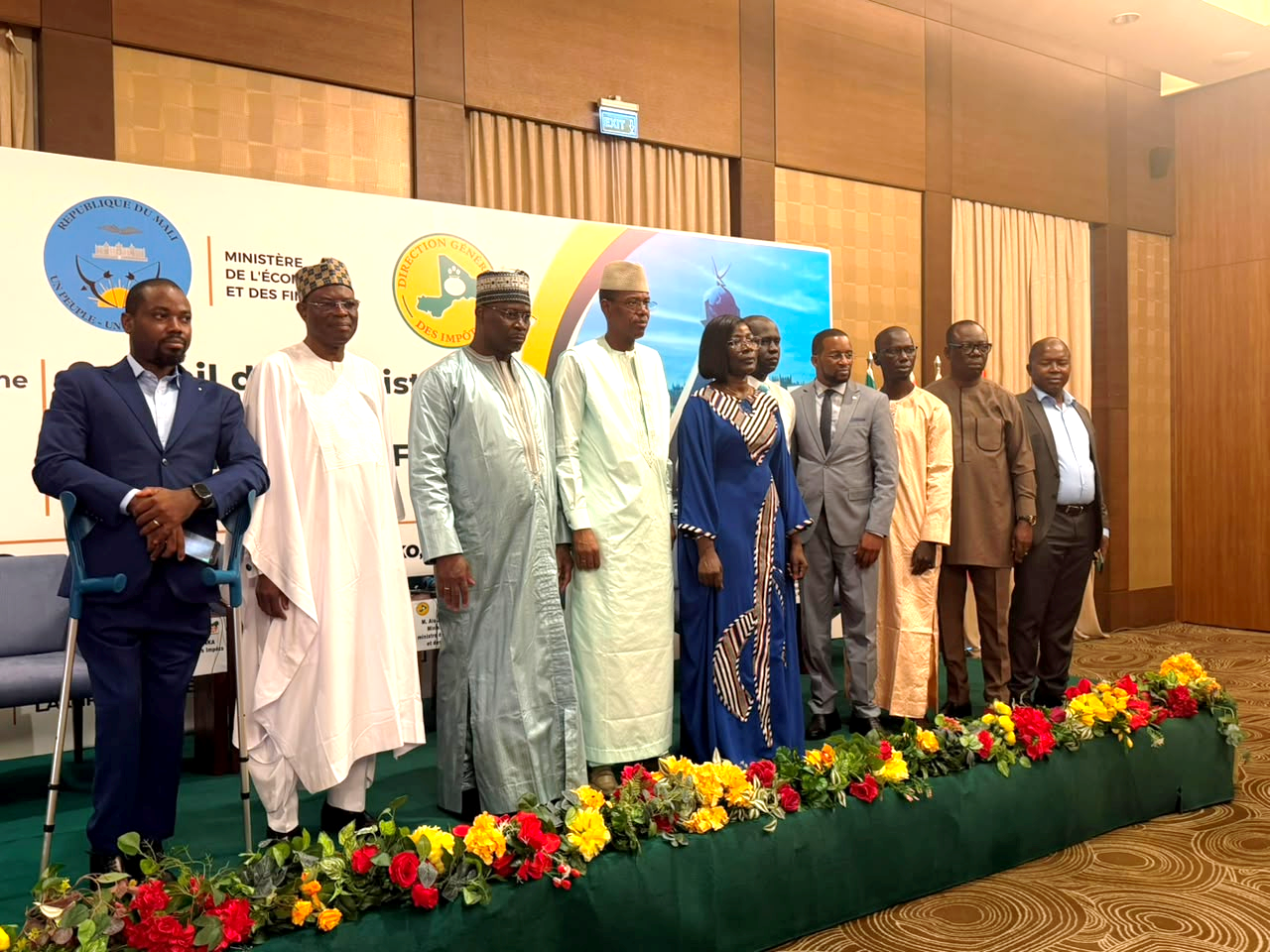
Addressing the 22nd Council Meeting of the West African Tax Administration Forum (WATAF) in Bamako, Mr. Sanou said domestic resource mobilisation has become a strategic necessity as governments face mounting demands for infrastructure, education, healthcare, security and economic transformation amid a rapidly changing global economy.
“The effective and sustainable mobilisation of domestic resources is no longer simply a budgetary necessity; it is a strategic imperative for the development of our nations,” he said.
According to him, the ability of governments to finance public policies and deliver essential services increasingly depends on how effectively they mobilise revenues from within their own economies.
This, he noted, places tax administrations at the centre of efforts to build resilient and sovereign states capable of responding to citizens’ expectations and sustaining long-term development.
Mr. Sanou said tax authorities across the region are also being challenged by the growing digitalisation of economies, the expansion of e-commerce, the taxation of digital businesses and increasingly complex cross-border financial flows.
“Faced with these challenges, no tax administration can act alone. Regional cooperation has become an absolute necessity,” he said.
He described WATAF as a critical platform for dialogue, technical cooperation, capacity building and the exchange of best practices among tax administrations in West Africa, arguing that stronger collaboration would help member countries improve compliance, strengthen enforcement and respond more effectively to evolving tax risks.
The meeting brought together commissioners-general, revenue officials and tax experts from across the region to deliberate on measures aimed at strengthening tax administration, improving domestic revenue mobilisation and enhancing cooperation among member states as governments seek sustainable financing sources to support national development programmes.
Held under the theme “Strengthening Regional Tax Cooperation for Sustainable Development,” the gathering comes at a time when many African countries are under pressure to expand domestic revenue bases to meet growing expenditure needs while reducing vulnerability to external financial shocks and fluctuating development assistance flows.
WATAF Executive Secretary, Jules Tapsoba, said effective domestic resource mobilisation remains one of the most pressing priorities for governments across the region.
“The mobilisation of domestic resources remains a strategic priority for our states,” he said.
“Faced with increasing demands for development financing, the digital transformation of economies, the internationalisation of economic activities and tax compliance challenges, tax administrations must continuously adapt, innovate and strengthen their performance.”
Mr. Tapsoba said regional cooperation would be essential in helping tax administrations respond to increasingly sophisticated business models and emerging economic trends that often transcend national borders.
He noted that strengthening institutional capacity, embracing technology and sharing expertise among member countries would be critical to improving revenue collection and supporting broader economic development objectives.
Also addressing the meeting, WATAF Council Chairperson Talato Eliane Djiguemdé-Ouédraogo underscored the increasingly important role tax administrations play in promoting economic resilience and supporting government development agendas.
“Our meeting today takes place in a context where tax administrations are being called upon to play an increasingly decisive role in financing the development of our states,” she said.
She said tax authorities have become key actors in ensuring governments can mobilise the resources needed to invest in critical sectors while maintaining fiscal stability in a challenging global environment.
Reaffirming the value of regional cooperation, she described WATAF as an important platform for collective action and mutual support among member countries.
“Beyond our borders and differences in national contexts, we are united by a common conviction: strong, modern and efficient tax administrations constitute one of the foundations of our states’ economic sovereignty,” she added.
The council meeting also reviewed governance matters, assessed progress made in implementing previous recommendations and considered measures aimed at strengthening the institution’s operational and financial capacity.
Participants further discussed strategic initiatives intended to enhance regional cooperation, improve institutional effectiveness and position WATAF to respond to emerging challenges facing tax administrations across West Africa.
The council, which serves as the forum’s second-highest decision-making body, provides strategic oversight and governance direction for the organisation. It is currently composed of representatives from Burkina Faso, Guinea-Bissau, Nigeria, Guinea, The Gambia and Senegal, while the Executive Secretary serves as Secretary to the Council.
The meeting also considered preparations for WATAF’s upcoming General Assembly and the organisation’s 15th anniversary celebrations, scheduled to take place in Accra in September 2026.
Officials expressed confidence that the outcomes of the meeting would contribute to stronger cooperation among tax administrations, improved revenue mobilisation and more effective tax systems capable of supporting sustainable development across West Africa.
Post Views: 88
Discover more from The Business & Financial Times
Subscribe to get the latest posts sent to your email.