Women parliamentarians and gender advocates from across West Africa have been urged to support a renewed push for stronger regional action to combat violence against women and girls, with a focus on strengthening laws, improving implementation and fostering cross-border collaboration.
The call was made at the West Africa Female Parliamentarians Peer Review Conference in Accra, where participants are examining best practices and challenges in addressing gender-based violence across the sub-region.
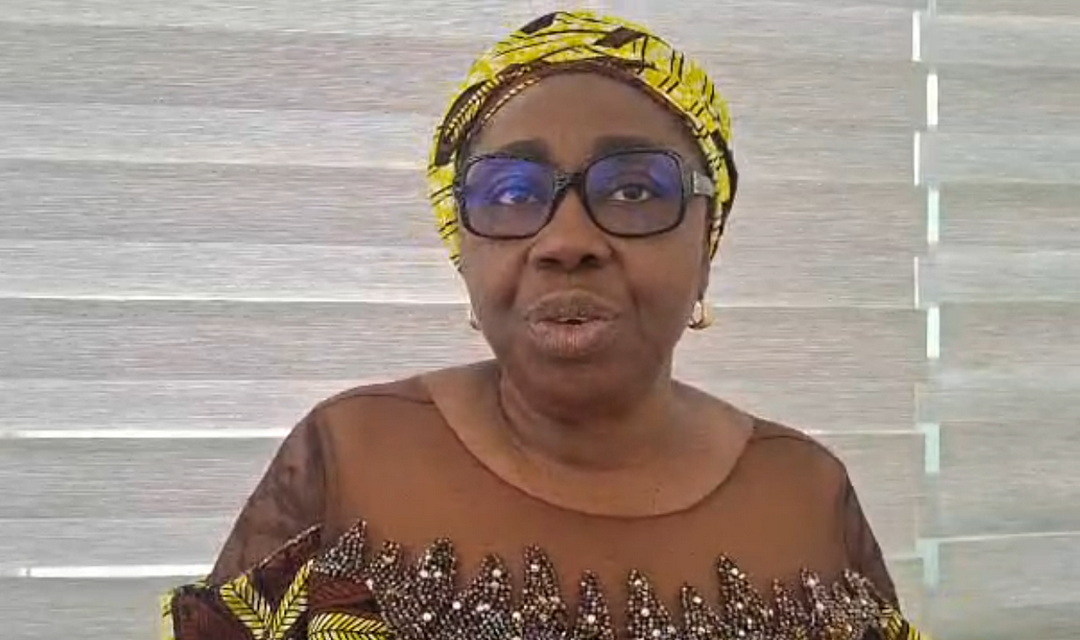
Speaking on the sidelines of the conference, Ebere Ifendu, President of the Women in Politics Forum which organised the conference, said the gathering was designed to enable female lawmakers to learn from one another and develop a common regional strategy to tackle violence against women and girls.
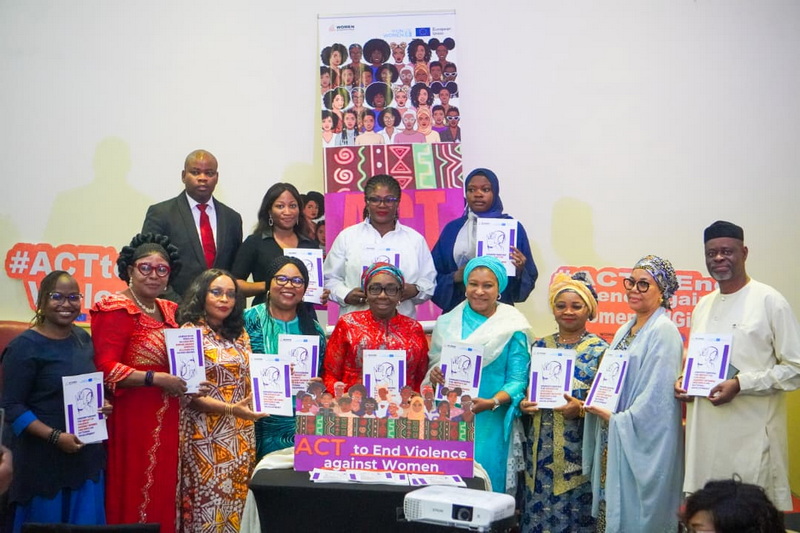
The conference, supported by the UN Women Regional Office and funded by the European Union, brought together women parliamentarians, civil society organisations and other stakeholders from across the sub-region.
Ms Ifendu said the peer review approach would allow participants to identify successful legislative and policy interventions in some countries while understanding why similar efforts have fallen short elsewhere.
“The idea is to bring women parliamentarians together from across West Africa to examine what has worked, what has not worked, and how countries that have made progress achieved their results,” she said.
She noted that discussions would culminate in a communiqué outlining key commitments and recommendations, which would be presented to governments across the region.
According to her, the communiqué would send a strong message that lawmakers and stakeholders are united in demanding greater protection for women and girls.
“We have sat together as parliamentarians, civil society organisations and stakeholders from across West Africa to take decisions because this is the right time for us to begin thinking more seriously about our young girls and women, both in and outside politics,” she said.
Despite years of advocacy, Ms Ifendu acknowledged that violence against women and girls remains widespread, saying discussions at the conference had demonstrated that the region still has significant work to do.
She attributed part of the challenge to weak implementation of existing laws.
“In some countries, the laws exist, but implementation remains a major problem. We need stronger political will. It is no longer enough for individual countries to act alone. We must work collectively to ensure that violence against women and girls is drastically reduced,” she told Myjoyonline.com.
She explained that delegates were also exploring mechanisms to help countries that already have laws improve enforcement, while supporting those yet to enact legislation to develop effective legal frameworks.
Beyond legislation, Ms Ifendu stressed the importance of identifying institutions and stakeholders responsible for ensuring laws are enforced, as well as addressing factors that continue to hinder progress.
Another key area of discussion, she said, is strengthening the legislative influence of women parliamentarians, particularly in countries where female representation remains low.
She said female lawmakers would be equipped with skills on drafting and sponsoring bills, building alliances and working across party lines to secure parliamentary support for gender-related legislation.
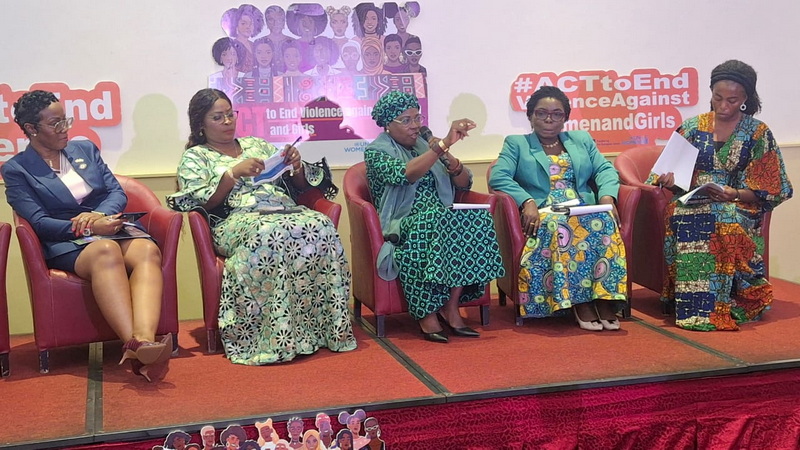
Given the relatively small number of women in many national legislatures, Ms Ifendu said collaboration with male colleagues would be essential.
She noted that encouraging male legislators to join women’s caucuses could help build broader support for policies that promote women’s rights and welfare.
“If men become part of the women’s caucus, they are more likely to champion issues affecting women because they will see themselves as part of that agenda while representing their constituencies,” she said.
The conference is also examining gender-responsive budgeting, with participants highlighting the need for governments to ensure national budgets adequately reflect the needs and priorities of women and girls.
Ms Ifendu said gender-responsive budgeting would help lawmakers scrutinise how public spending affects women and ensure resources are allocated more equitably.
She described the conference as an important opportunity to strengthen the capacity of women parliamentarians and enhance regional cooperation in advancing gender equality and ending violence against women and girls.
DISCLAIMER: The Views, Comments, Opinions, Contributions and Statements made by Readers and Contributors on this platform do not necessarily represent the views or policy of Multimedia Group Limited.
DISCLAIMER: The Views, Comments, Opinions, Contributions and Statements made by Readers and Contributors on this platform do not necessarily represent the views or policy of Multimedia Group Limited.