
By Kofi ESSUMAN
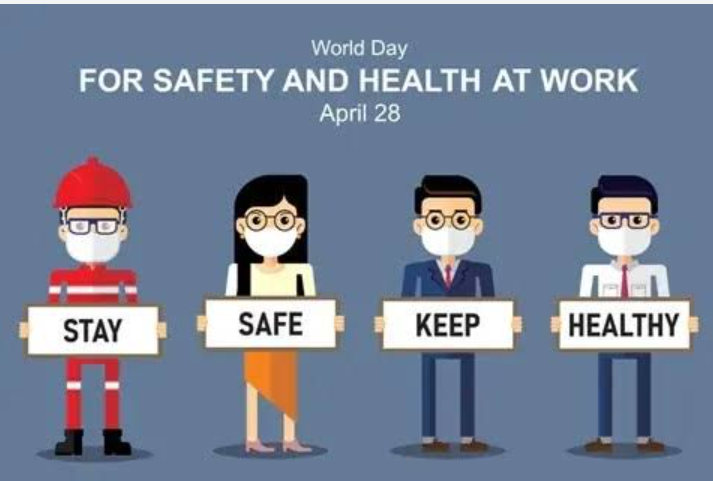
Since 2003, the International Labour Organization (ILO) has observed World Day for Safety and Health at Work on April 28, to promote a global culture of accident prevention. This initiative emphasizes shared responsibility among governments, employers, and workers to reduce occupational accidents and diseases by addressing both physical and emerging risks like mental health. The day highlights the need for safe, healthy workplaces – by addressing physical and mental hazards – to reduce accidents and illnesses.
The theme for the 2026 event – “Good psychosocial working environments: A pathway to thriving workers and strong organizations”, focuses on managing psychosocial risks – such as workload, workplace stress, and harassment – to ensure safety, health, and mental well-being.
According to ILO estimates, occupational injuries and diseases claim nearly 2.5 million lives annually, with over 80% resulting from work-related illnesses and nearly 15% from fatal accidents. Furthermore, an estimated 160 million non-fatal work-related diseases are recorded yearly, while more than 300 million workers suffer non-fatal occupational accidents that result in serious injuries and time off work.
Workplace accidents and diseases impose a heavy toll on national economies, with the ILO estimating that they drain roughly 4% of global GDP – nearly US$2.8 trillion – annually. This economic burden combines direct expenses, such as medical care and compensation, with indirect costs like reduced productivity, premature retirement, and absenteeism.
Beyond direct economic losses, occupational accidents and diseases strain national health and social security systems. In high-income countries, work-related disabilities are estimated to cause 40% of early retirements. Furthermore, industries with poor safety records suffer from lower productivity and reduced competitiveness, hindering innovation and growth. Finally, workplace injuries often cause severe household income loss, leading to poverty, especially if the primary breadwinner is killed or disabled.
Unlike tangible occupational accidents and diseases, the damage caused by a poor psychosocial work environment to employee mental health often goes unseen. Typical psychosocial risks include excessive workloads, unrealistic deadlines, high work pressure, bullying, job insecurity, and poor communication. These factors are significant contributors to burnout, stress-related illnesses, and cardiovascular issues.
World Day for Safety and Health at Work calls on governments, employers, and employees to recognize that occupational health and safety incidents do not just happen, they are caused. Together, we can build a proactive safety culture that identifies hazards and drastically reduces workplace injuries and illnesses.
The writer is the Vice President for Education, World Packaging, Organisation
Post Views: 1
Discover more from The Business & Financial Times
Subscribe to get the latest posts sent to your email.