By Ashiadey Dotse
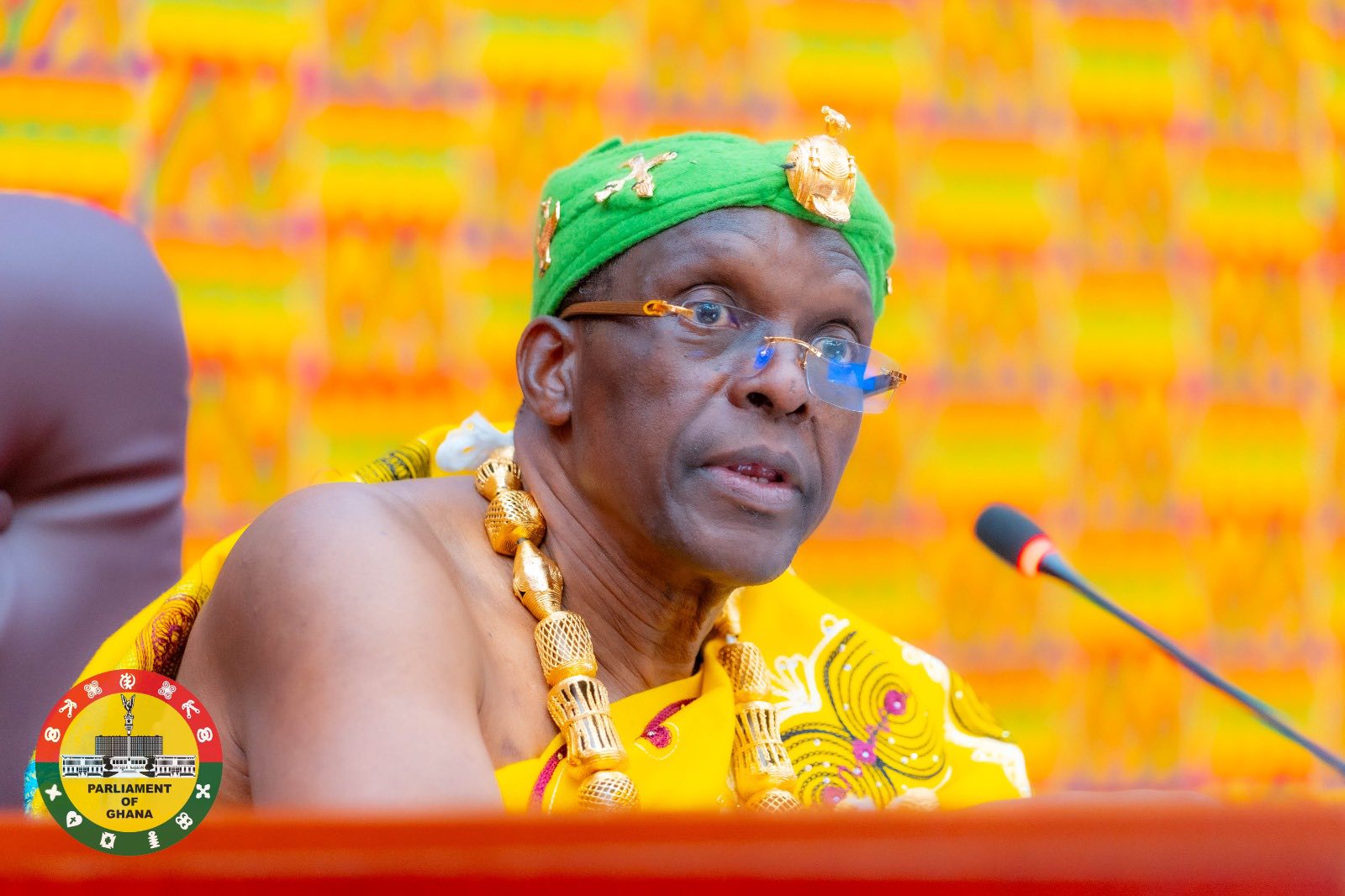
The Speaker of Parliament, Alban Sumana Kingsford Bagbin, has stressed the importance of strong and effective parliamentary committees, saying they are central to the work of Parliament and the country’s democratic governance.
He said the strength of Parliament should not be measured only by the number of laws passed or debates held in the Chamber, but also by the quality of work done by its committees.
Speaking at the Annual Parliamentary Committees Leadership Programme 2026 on Saturday, November 7, 2026, Mr Bagbin said committees play a key role in examining proposed laws, scrutinising public spending and ensuring that government institutions are held accountable.
“A Parliament with weak committees cannot be an effective Parliament. Equally, strong committees cannot exist without purposeful and competent leadership,” he said.
He explained that much of Parliament’s important work takes place within committees, where bills receive detailed examination, government policies are reviewed and public institutions are called upon to explain their activities.
According to him, committees also provide an opportunity for citizens, civil society organisations, professional bodies and other stakeholders to contribute to decisions made by Parliament.
Mr Bagbin warned lawmakers against rushing the passage of bills, saying poor legislation could damage Parliament’s reputation and leave MPs answerable to their constituents.
He revealed that Parliament had been compelled to recall about four draft bills for further consideration after they had already been passed.
“It does not speak well of Parliament when bills have to be recalled after they have been passed. Please, members, do not allow anyone to push you to rush legislation through,” he cautioned.
He said MPs would ultimately be held responsible for laws passed by Parliament and urged committee members to take their legislative responsibilities seriously.
The Speaker also called for stronger oversight of public institutions, explaining that Parliament’s responsibility went beyond monitoring the Executive to examining governance as a whole.
He said committees must scrutinise public expenditure, assess government policies and ensure that public institutions account for how they manage the resources entrusted to them.
Mr Bagbin further urged committee chairpersons and ranking members to improve their leadership skills and work together to resolve disagreements.
He said effective committee leadership required the ability to guide discussions, consider different opinions, follow parliamentary procedures and make decisions in the national interest.
He encouraged members to take advantage of the leadership programme to improve their knowledge and strengthen their ability to perform their duties.
Mr Bagbin expressed the hope that the training would help make Parliament more respected and effective over the next two years.
He urged committee chairpersons and ranking members to accept their shared responsibility for ensuring that parliamentary committees function effectively.