
By: Mabel Adorkor Annang
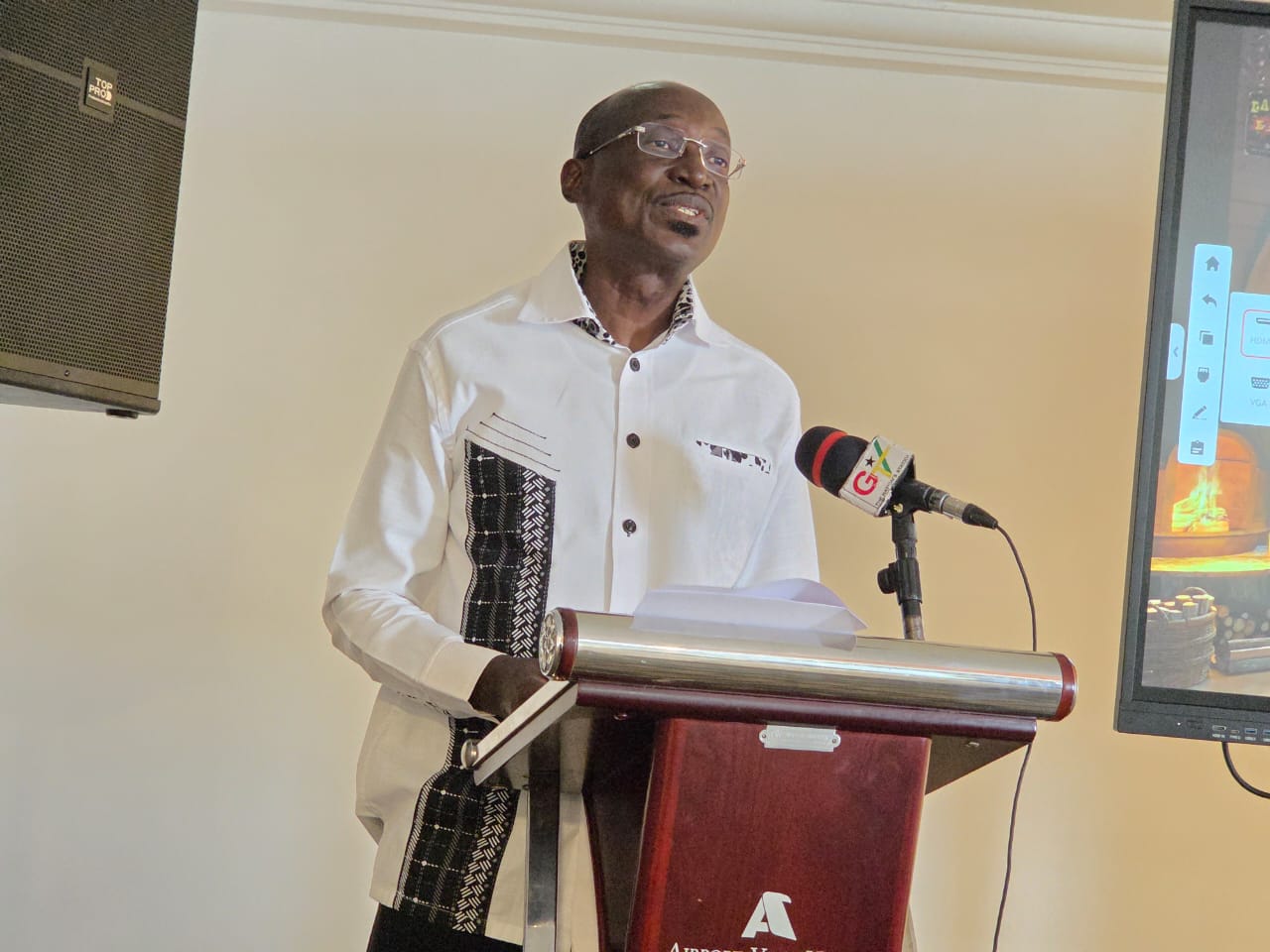
The Chief Executive of the Centre for Shared Responsibility and Technology Ambition (CSRTA), Kofi Agyarko, has called on African countries to harmonise standards and strengthen regulations to prevent the importation of obsolete, inefficient and substandard cooling appliances.
Speaking at a sustainable cooling and energy efficiency conference in Accra, Mr. Agyarko said regional cooperation was essential to address the growing challenge, as no African country could effectively tackle the problem in isolation.
“Africa has become a destination for old technologies and used appliances, and the time has come for us to change the situation,” he said.
He explained that the conference was organised to bring energy efficiency experts together to develop strategies to address the problem, adding that Ghana had established itself as a key player in energy efficiency on the continent.
“When you talk of energy efficiency, Ghana stands very tall in Africa,” he said.
Mr. Agyarko warned that decisions African countries make regarding cooling appliances would have long-term implications for electricity consumption and energy security.
Senior Technical Expert at the United Nations Industrial Development Organization (UNIDO), Readlay Makaliki, highlighted efforts by UNIDO and the ECOWAS Centre for Renewable Energy and Energy Efficiency (ECREEE) to promote energy efficiency through the Energy Efficiency for Sustainable Livelihoods in Africa programme.
He said the initial phase of the programme focused on four key areas aimed at transforming markets towards energy efficiency, including private-sector support.
“One of them was private-sector support, to bring on board the private sector to implement and demonstrate energy efficiency projects,” he said.
Meanwhile, Sustainable Energy Policy Officer at ECREEE, Hyacinth Elayo, called for increased investment in the energy sector to improve electricity access and support industrialisation in West Africa.
He said efforts were being made to identify and remove substandard equipment from markets to reduce pressure on electricity grids and improve the value derived from investments in power generation.
“Daily, we are tracking down substandard equipment from the markets and getting them off. That will, of course, reduce the pressure on the grid, reduce pressure on our energy systems to make sure that the investment that we make in generation actually have value for money,” Mr. Elayo said.
He added that Africa required at least 90 billion dollars in energy-sector investment annually, but current investment levels remained below the target.
“Africa needs, at a minimum, 90 billion dollars of investment year on year. We’re not meeting those targets, and we have to sustain those investments,” he said.
Africa’s electricity demand for cooling is projected to increase tenfold, raising concerns about the continent’s ability to meet future energy needs amid rising temperatures and population growth.
Experts say investments in energy-efficient cooling technologies, harmonised appliance standards and affordable financing models will be critical to meeting the growing demand without placing excessive pressure on electricity systems.
They also emphasised the need to develop local expertise in cooling technology, maintenance, refrigerant recovery and recycling.
The conference brought together energy efficiency experts to develop strategies for engaging manufacturers and producers of cooling appliances on standards that guarantee quality and energy efficiency in African markets.
Mr. Agyarko said the next step would be to engage manufacturers and producers on the standards required for cooling appliances entering African markets.
“We decided to bring them here and strategise as to how we’re going to meet the manufacturers and the producers of cooling appliances, so that we will tell them the standards that we need in Africa,” he said.
The engagement is expected to take place at the China-Africa Standardization Conference in November.