


By Sandra Agyeiwaa OTOO
The Ashanti Regional Minister, Dr. Frank Amoakohene, has called for renewed commitment to empower women-led enterprises… describing them as central to economic transformation.
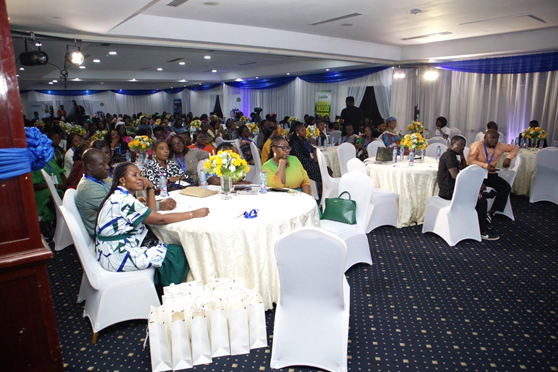
Speaking at the 2026 edition of the Women in Business Dialogue Series (WIB) opening in Kumasi, he noted that: “Across Ghana and particularly here in the Ashanti Region, women form the backbone of our local economy. From our bustling markets to our farms and processing centres, women are driving commerce, ensuring food security and sustaining livelihoods”.
“This business dialogue series is therefore not just an event. It is a call to action. A call to equip our women entrepreneurs with the tools they need to scale up their businesses. A call to strengthen networks that open doors to new markets and opportunities. And a call to build resilient enterprises that can thrive in an increasingly competitive and digital global economy,” he added.
WIB 2026, organised by Business and Financial Times (B&FT), was held under the theme ‘Building market leaders: Empowering women-led SMEs and agribusiness for inclusive and sustainable growth’.
He highlighted persistent barriers facing women-led businesses, including limited access to finance, weak market linkages and gaps in digital skills. Addressing these constraints, he stressed is critical to enabling women scale their enterprises and compete in an increasingly digital global economy.
Dr. Amoakohene highlighted the importance of agribusiness, describing it as a key driver of economic growth and food security.
He noted that empowering young women within agricultural value chains will enhance productivity, strengthen supply systems and boost incomes.
“The focus on agribusiness is particularly significant. Agriculture remains a key pillar of our regional and national economy. Empowering young women in agribusiness is not only about economic inclusion; it is also about transforming value chains, improving productivity and ensuring sustainable food systems,” he asserted.
The minister reiterated Ashanti Region’s commitment to creating an enabling environment for women-owned businesses through policy support, partnerships and collaboration with financial institutions and development agencies.
He further reiterated government interventions aimed at supporting women entrepreneurs, including the establishment of a Women’s Development Bank with significant budgetary allocations to expand access to finance.
This initiative, he said, is expected to support about 200,000 women in the SME sector this year – contributing to a broader national target of empowering one million Ghanaian women through financial literacy and affordable credit.
“This year, approximately 200,000 women in the SME sector will receive financial support to start or expand their businesses – complementing government’s broader effort to economically empower at least one million Ghanaian women through enhanced financial literacy, provision of affordable credit and support for women in both the formal and informal sectors,” he pointed out.
He also encouraged women to leverage the dialogue and networking opportunities to strengthen their businesses and leadership capabilities.
Speaking at the event, Chief Executive Officer (CEO) Business and Financial Times, Dr. Godwin Acquaye, called for stronger collaboration among stakeholders to drive inclusive and sustainable growth for women-led businesses.
He noted that lasting solutions will require joint efforts from government, financial institutions, the private sector and development partners.
“Beyond the structure of this event lies a deeper purpose. We are here to challenge the status quo and answers will not come from one institution or one sector. They will come from collaboration between government, financial institutions, the private sector, development partners and the women themselves,” he stated.
He stressed that the Women in Business Dialogue Series is designed to challenge existing systems and provoke critical thinking around the barriers limiting women entrepreneurs, particularly in access to finance, scaling and market positioning.
Dr. Acquaye reaffirmed his organisation’s commitment to driving impact beyond traditional journalism. He emphasised the media’s role in shaping policy conversations and supporting inclusive economic growth.
“At Business and Financial Times, we believe journalism must go beyond reporting. It must convene, connect and catalyse change,” he stated.
“This Dialogue Series is part of our broader commitment to influence policy conversations, amplify underrepresented voices and create opportunities for meaningful engagement between stakeholders,” he added.
Post Views: 13
Discover more from The Business & Financial Times
Subscribe to get the latest posts sent to your email.