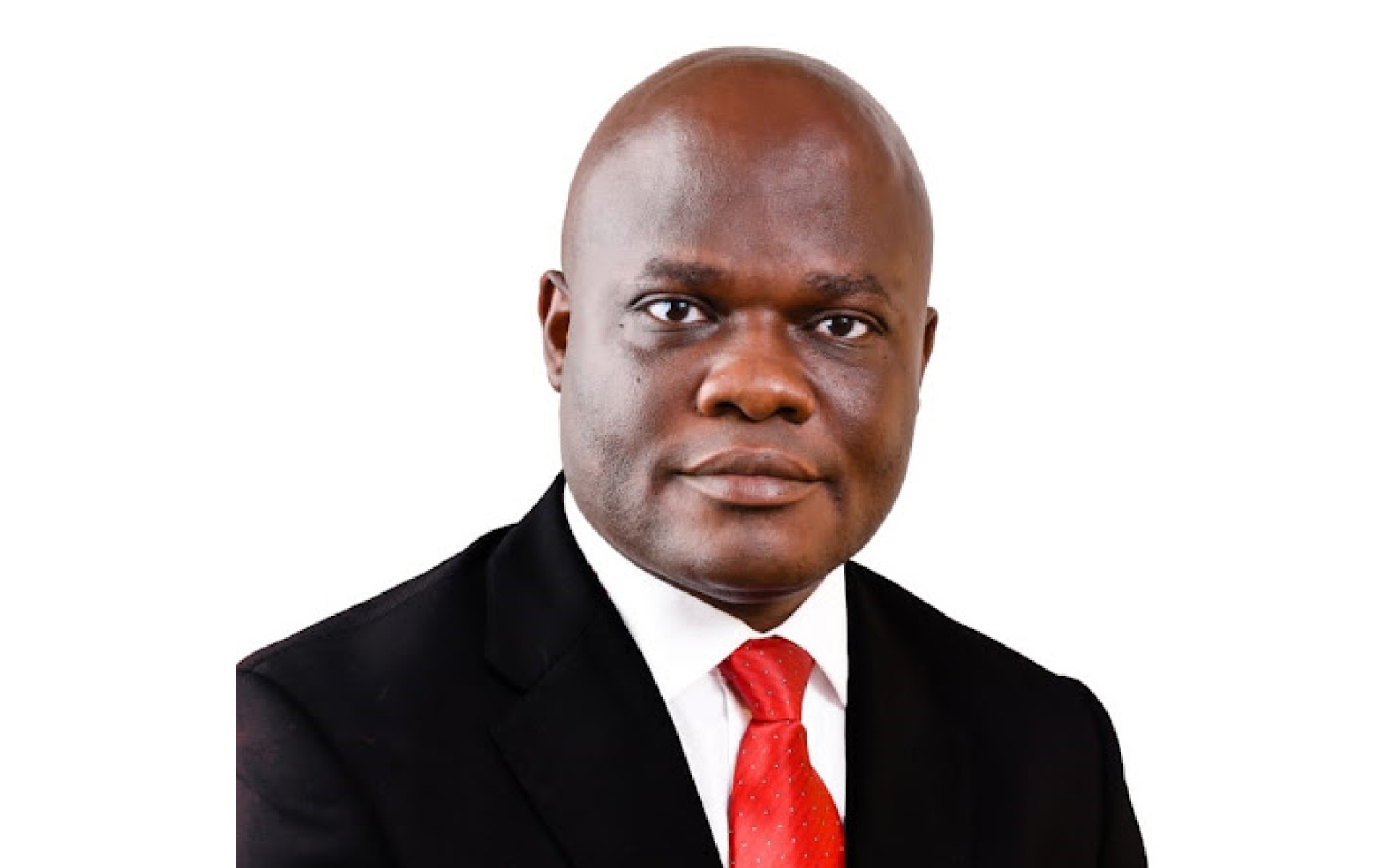
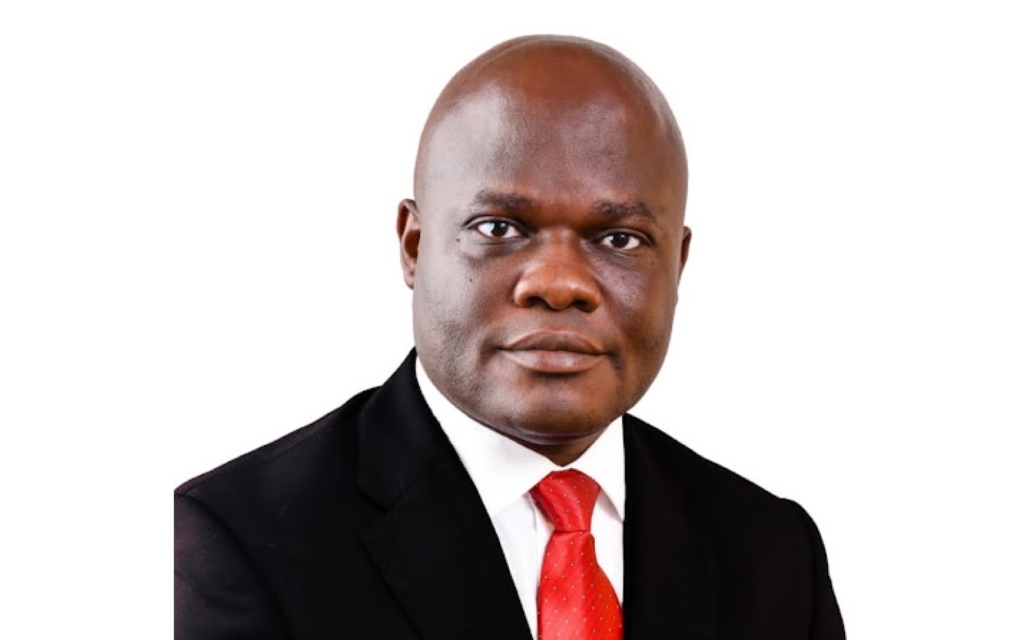
The Ministry of Local Government, Chieftaincy, and Religious Affairs is considering the adoption of an anti-witchcraft bill aimed at ending the scourge of witchcraft accusations in Ghana, the Minister of Local Government, Chieftaincy, and Religious Affairs, Ahmed Ibrahim, has told Parliament.
He said the Private Member’s Bill on witchcraft accusations, introduced by the Member of Parliament for Madina, Francis-Xavier Sosu, sought to criminalise witchcraft accusations, protect victims and punish perpetrators.
He explained that while the bill had been tabled, it had not yet been passed into law.
“Collaboration with the Ministry of Gender, Children, and Social Protection remains essential to safeguard vulnerable populations and ensure comprehensive protection mechanisms, including shelters for victims of witchcraft accusations, domestic violence, child trafficking, and child marriage,” he said.
Review of existing laws
Addressing Parliament yesterday, Mr Ibrahim said his ministry had set a target to review two existing laws on witchcraft enacted within the sub-region to align Ghana’s legal framework with international human rights standards.
“Mr Speaker, let us rise together as Parliament, chiefs, faith-based leaders, and civil society to end the scourge of witchcraft accusations.
“Let Ghana be known not for exclusion and fear but for dignity, compassion, and justice for all,” he said.
Question
The minister stated this in response to a question from the MP for Kumawu, Ernest Yaw Anim, who asked about measures being taken to rally the support of chiefs and community stakeholders to address witchcraft accusations.
The minister said the phenomenon of witchcraft accusations remained a pressing social challenge in Ghana, often resulting in stigma, violence, and exclusion of vulnerable groups, especially women, children, and the elderly.
Those accusations, he said, undermined the dignity of citizens and threatened the peace of communities.
He recalled that in September 2025, the Human Rights Committee of Parliament assured stakeholders that it would reintroduce the bill for passage and presidential assent.
“The Commission on Human Rights and Administrative Justice and other civil society groups have also urged Parliament to expedite its passage, citing rising cases of violence linked to witchcraft accusations,” he said.
Mr Ibrahim, who is the MP for Banda, told the House that until the bill was enacted, Ghana lacked a comprehensive national law, specifically criminalising witchcraft accusations.
He said as a result, victims remained vulnerable to stigma, violence, and exclusion, particularly in rural areas.
Rallying traditional leaders
He said that it presented a policy opportunity for the ministry to rally chiefs, religious leaders, and community stakeholders to ensure cultural legitimacy and grassroots support before the bill was finalised.
While stressing that the rationale behind the ministry’s resolve was clear, Mr Ibrahim said chiefs, queen mothers, and traditional leaders were custodians of culture and authority in their communities.
Their support, he said, was critical in reshaping attitudes, preventing harmful practices, and promoting reconciliation.
“By rallying their voices, legislative reforms will be grounded in cultural legitimacy and community acceptance, while protecting the dignity and rights of all citizens,” he said.
Accordingly, the ministry, in collaboration with other public institutions and development partners, would engage chiefs, religious leaders, legislators, and community stakeholders in dialogue on the dangers of witchcraft accusations.
The ministry, he added, would also integrate traditional authority perspectives into the Private Member’s Bill and the sub-regional law review and strengthen collaboration with the Gender Ministry to protect victims, with an emphasis on shelters and psychosocial support.
“We will promote community-based mechanisms, using chiefs and religious leaders to prevent violence and safeguard vulnerable groups from all forms of domestic and gender-based violence,” he said.
Through interventions, he pointed out that the ministry expected traditional councils and faith-based organisations to publicly denounce witchcraft accusations and a reduction in reported cases of witchcraft-related stigma and violence.
Besides, he said the ministry would harmonise legislation with human rights and cultural legitimacy and strengthen the protection and reintegration of victims into communities.
DISCLAIMER: The Views, Comments, Opinions, Contributions and Statements made by Readers and Contributors on this platform do not necessarily represent the views or policy of Multimedia Group Limited.
DISCLAIMER: The Views, Comments, Opinions, Contributions and Statements made by Readers and Contributors on this platform do not necessarily represent the views or policy of Multimedia Group Limited.