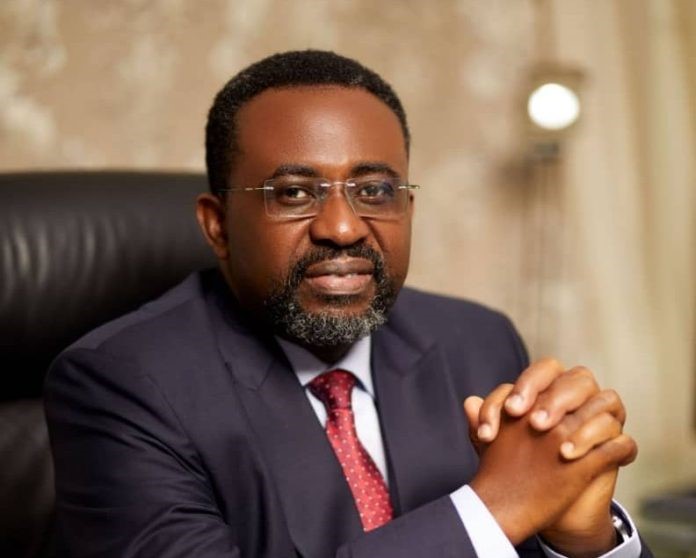
As countries continue to navigate tight financial conditions, elevated debt vulnerabilities and external shocks linked to geopolitical tensions, Bank of Ghana Governor Dr. Johnson P. Asiama has called on the International Monetary Fund to urgently reform its sovereign debt resolution system and expand access to concessional financing.
Speaking at the 2026 African Consultative Group meeting held during the IMF/World Bank Group Spring Meetings, Dr. Asiama said the Fund must deploy its convening power more decisively to ensure “time-bound restructurings under the Common Framework” with stronger creditor coordination and mandatory participation of private lenders.
Dr. Asiama said African countries continue to face an exceptionally challenging macroeconomic environment, citing persistent inflationary pressures, weakened external balances and limited fiscal adjustment capacity.
“These have been intensified by spillovers from the Middle East conflict.”
While the IMF’s Global Policy Agenda is broadly aligned with member needs, the scale and persistence of current shocks require what he described as a “step-change” in the Fund’s response. Central to his proposal is a redesign of the sovereign debt restructuring process under the G20 Common Framework.
“Programme design should better distinguish delays stemming from creditor coordination failures from those due to policy slippages, so as to ensure that strong adjustment efforts are not unduly penalised,” he added.
Ghana’s own experience under the Common Framework illustrates both the potential and limitations of the system.
The country entered the framework in 2022 after debt levels approached 90 percent of gross domestic product, leading to a domestic debt exchange and a suspension of external debt servicing.
Compared with others, Ghana’s restructuring process moved relatively quickly. However, the process also exposed structural weaknesses including coordination challenges among creditors and concerns about the economic impact of domestic debt operations.
Therefore, Dr. Asiama’s call for reform reflects these constraints.
A joint statement issued at the meeting’s close by Seedy Keita, Chairman-African Caucus; and Kristalina Georgieva, Managing Director-IMF, emphasised the deteriorating macroeconomic backdrop facing the region.
Global growth is projected as slowing to 3.1 percent in 2026 and 3.2 percent for 2027 under a baseline scenario, with risks tilted to the downside if the Middle East conflict persists. For Africa, growth is expected to reduce from 4.5 percent in 2025 to 4.2 percent in 2026 – reflecting tightening financial conditions, high debt service burdens and constrained access to affordable financing.
Post Views: 3
Discover more from The Business & Financial Times
Subscribe to get the latest posts sent to your email.