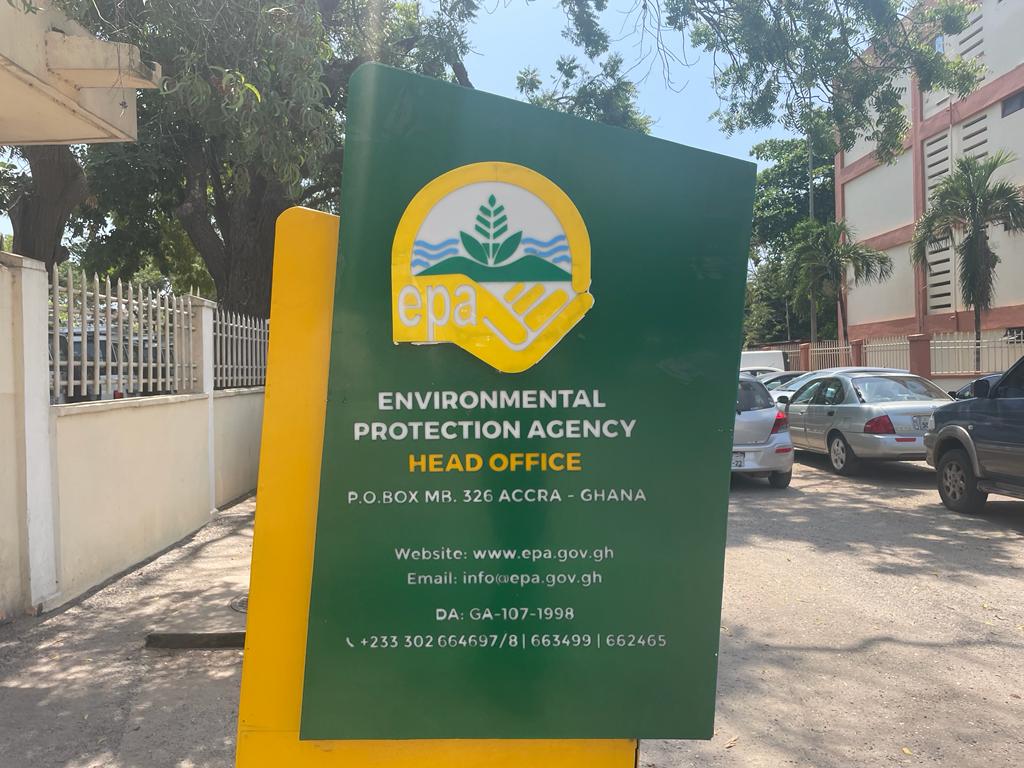
Dr. Owusu Fordjour Aidoo, an environmental expert and researcher has commended the Environmental Protection Authority (EPA) for announcing a ban on the use of Styrofoam in Ghana.
He said the ban on the use of Styrofoam products, which takes many years to decay, would not only help to protect the environment but would also prevent the country from suffering serious environmental and health consequences.
Speaking to the Ghana News Agency in an interview in Kumasi on the proposed ban of Styrofoam products by the EPA beginning early 2027, he pointed out that Styrofoam products could survive for decades and this could cause serious environmental hazard and nuisance.
Dr. Aidoo, who is also a lecturer at the University of Environment and Sustainable Development (UESD) therefore, appealed to Ghanaians to support the ban and work to ensure that these products were eliminated from the environment.
He said the improper disposal of Styrofoam food containers and other plastic products, continued to contribute to sanitation challenges in the country.
He said food vendors, restaurants and caterers must recognize the health hazard of this petroleum product that could remain in the soil for decades and stop its usage.
“Good health is wealth, and its ban can prevent kidney and the cancerous diseases attacking Ghanaians now”, he noted.
Their improper disposal pose a serious threat to the environment as they do not easily decompose and can remain in the environment for a long period.
He further added that, indiscriminately disposed Styrofoam products often ended up in gutters, drains, open spaces and water bodies, contributing to environmental pollution and worsening sanitation conditions.
This has become a major concern in all the big cities in the country.
Dr. Aidoo was of the view that, even though the ban on Styrofoam products would begin in January next year, for health reasons it would be wise for those factories producing them to cease production immediately.
He called on the public to develop responsible waste disposal habits and be each other’s keeper when it came to waste disposal.
Keeping the environment clean he added, was a shared responsibility and everyone must have a change of mind and attitude to keep clean surroundings, he said
“Let’s protect our water bodies and wetlands from being polluted with such dangerous products and save future generations as well”, he stated.
Source: GNA