
By Dr. I.K. Abdul-Hamid
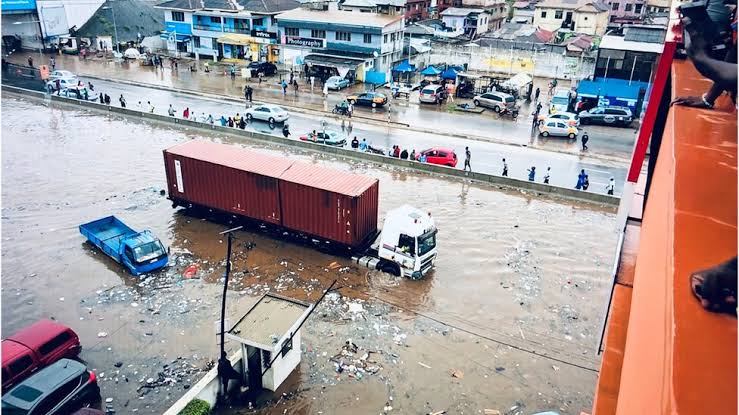
Flooding has once again become a major concern in Accra and several parts of Ghana. Every rainy season, communities experience the painful consequences of overflowing drains, poor water management, and inadequate urban infrastructure. Homes are destroyed, businesses are disrupted, vehicles are damaged, and, most tragically, lives are lost.
Over the years, successive governments and institutions have introduced several measures aimed at addressing the flooding challenge. These include drainage projects, desilting exercises, public education campaigns, enforcement of planning regulations, and various environmental initiatives.
Yet, despite these interventions, flooding continues to return with devastating consequences. This recurring situation raises an important question: Are we looking at flooding only as a problem, or are we also recognising the opportunities it presents for innovation, investment, and sustainable business solutions?
This article explores the business imperative of flooding, the need for the private sector, entrepreneurs, investors, and communities to view flood prevention and management as an area requiring strategic attention, creativity, and investment.
Beyond Government Responsibility
Flood management has often been seen primarily as the responsibility of government. While government has a critical role in providing infrastructure, enforcing regulations, and coordinating national responses, the complexity of flooding requires broader participation. Businesses are powerful drivers of innovation and economic transformation.
When organisations identify societal challenges as opportunities for value creation, they develop products and services that solve problems while creating employment and economic growth. The question therefore is not only, “How do we stop floods?” but also, “How can businesses create sustainable solutions that reduce the impact of floods?”
The Economic Opportunity in Flood Management
Flooding creates several areas where businesses can contribute meaningfully. For example, there is a growing need for companies specialising in:
- Modern drainage and water management solutions;
- Flood monitoring and early warning technologies;
- Waste management and recycling systems;
- Climate-resilient construction materials;
- Smart urban planning solutions;
- Environmental consultancy services;
- Flood insurance and risk management products.
These are not merely emergency responses; they represent long-term industries that can support national development. A company that develops affordable flood detection systems, for instance, is not only making a profit but also protecting communities. A construction firm that specialises in climate-resilient buildings is contributing to safer cities. An organisation investing in proper waste management is helping prevent blocked drains and reducing environmental risks.
Turning a Crisis into Innovation
Many of the world’s most successful solutions have emerged from challenges. Societies progress when they transform problems into opportunities for innovation. Flooding in Accra should encourage businesses, universities, researchers, and technology innovators to collaborate and develop Ghanaian solutions for Ghanaian challenges.
Our universities and research institutions can play a stronger role by supporting studies in climate adaptation, engineering solutions, environmental management, and sustainable development. Businesses can then commercialise these ideas into practical solutions that benefit society.
The Role of Corporate Ghana
Corporate organisations must move beyond traditional corporate social responsibility activities and embrace corporate sustainability. Supporting flood prevention should not be limited to donating relief items after disasters occur. Businesses can invest in preventive measures that create lasting impact.
For example, companies can support community drainage projects, adopt environmentally responsible practices, invest in green infrastructure, and develop partnerships that improve urban resilience. Such investments protect communities, safeguard business operations, and strengthen corporate reputation.
Individual Responsibility and Market Behaviour
Individuals also have a role to play. Poor waste disposal practices, illegal construction, and disregard for environmental regulations contribute significantly to flooding. However, individual responsibility can also create business opportunities. The demand for better waste collection, recycling services, environmentally friendly products, and sustainable housing solutions can encourage entrepreneurs to develop new markets.
A Call for a New Mindset
The continuous experience of floods should encourage a shift in mindset. We must move from reacting to floods after they happen to investing in solutions before they occur. Flooding is a national challenge, but it is also a reminder of the opportunities available through innovation, entrepreneurship, and collaboration. Perhaps, when organisations and individuals begin to see the economic value in solving flood-related problems, we will reduce the loss of lives and properties and build a more resilient Ghana.
Conclusion
The future of flood management cannot depend on government alone. It requires a partnership between the public sector, private sector, communities, and innovators. The business community has both the capacity and responsibility to become a major part of the solution.
The writer is the Head of Marketing Department, University of Professional Studies, Accra
Post Views: 3
Discover more from The Business & Financial Times
Subscribe to get the latest posts sent to your email.