


By Peter Martey AGBEKO
In the quiet, disciplined halls of St. Augustine’s College (Augusco), generations of young men have been shaped by the enduring motto Omnia Vincit Labor—perseverance conquers all.
For Vincent Kwesi Parker, a proud member of the Class of 1975, that motto was not merely a school creed; it became a lifelong compass guiding him across continents, cultures, and causes.
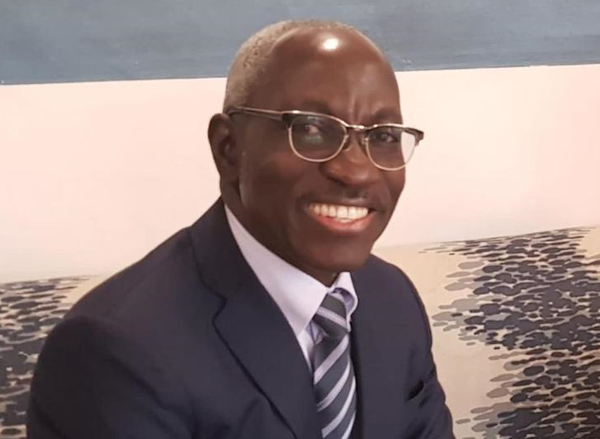
Today, seated in the calm familiarity of his home in Accra, retired yet reflective, Vincent Parker embodies a life lived in service, purpose, and quiet distinction.
His journey—from a young Ghanaian student to a global professional with the United Nations system, including work with the United Nations High Commissioner for Refugees (UNHCR)—is not just a career narrative. It is a human story of resilience, adaptation, and unwavering commitment to humanity.
Beginnings in Cape Coast
Like many Augustinians of his era, Parker’s formative years at St. Augustine’s College in Cape Coast were marked by discipline, intellectual rigour, and moral grounding. The 1970s were a period of transition for Ghana, and young men like Vincent were being prepared not only to succeed academically but to carry the weight of national and global responsibility.
Classmates recall a thoughtful, focused young man—one who listened more than he spoke, but whose actions revealed a deep sense of purpose. There was nothing ostentatious about him; his strength lay in quiet determination.
After successfully completing his O-Level education, Parker made a bold decision—one that would change the trajectory of his life. He left Ghana for the United States in pursuit of further studies, joining a wave of young Africans seeking global exposure at a time when such journeys were neither common nor easy.
The American Chapter
Arriving in the United States in the mid-1970s, Parker entered a vastly different world. It was a period marked by social change, cultural shifts, and evolving global dynamics. For a young Ghanaian, the transition required not only academic excellence but emotional resilience and cultural adaptability.
Like many international students of his generation, Parker had to navigate financial constraints, cultural differences, and the pressure to succeed—not just for himself, but for family and country. These experiences, though challenging, became foundational.
They sharpened his worldview, deepened his empathy, and prepared him for the global stage that awaited him.
His academic journey in the United States laid the groundwork for a career that would eventually place him at the heart of international humanitarian efforts.
A Life of Global Service
Vincent Parker’s professional life took a defining turn when he joined the United Nations system. His work, particularly with UNHCR, placed him in some of the most complex and challenging environments in the world.
UNHCR’s mandate—to protect and support refugees, internally displaced persons, and stateless individuals—demands not just technical expertise, but compassion, diplomacy, and courage. Parker brought all these qualities to bear in his work.
Over the years, he served in various capacities across different regions, contributing to efforts aimed at alleviating human suffering and restoring dignity to displaced populations. Whether in conflict zones, refugee camps, or policy discussions, Parker’s role was part of a larger mission: to ensure that those forced to flee their homes were not forgotten.
Colleagues describe him as a steady hand in turbulent situations—someone who combined professionalism with humanity. In environments often defined by urgency and crisis, Parker’s calm demeanour and thoughtful approach made him both respected and trusted.
Witness to Humanity’s Extremes
Working with UNHCR is not merely a job; it is an immersion into the extremes of human experience. Parker witnessed both the depths of despair and the resilience of the human spirit.
He encountered families uprooted by war, children separated from parents, and communities struggling to rebuild in the aftermath of displacement. Yet, he also saw hope—refugees starting anew, communities coming together, and international cooperation making a tangible difference.
These experiences left an indelible mark on him. They shaped not only his professional outlook but his personal philosophy. For Parker, the work was never abstract; it was deeply human.
The Man Beyond the Career
While his professional achievements are significant, Vincent Parker’s story is equally compelling on a personal level. Behind the titles and postings is a man grounded in values instilled during his early years in Ghana.
Despite decades abroad, he maintained strong ties to home. Ghana was never just a point of origin; it remained a source of identity and belonging. His return to Accra in retirement is, in many ways, a full-circle moment—a reconnection with roots after a life of global engagement.
Friends and colleagues speak of his humility. There is no grandstanding, no desire for recognition. Instead, there is a quiet satisfaction in having contributed to something larger than oneself.
Reflections in Retirement
Retirement, for Parker, is not an end but a transition. It is a time for reflection, storytelling, and sharing lessons from a life rich in experience.
In conversations, he often returns to themes of resilience, adaptability, and service. He speaks of the importance of education—not just as a means to personal advancement, but as a tool for understanding the world and contributing meaningfully to it.
He also reflects on the evolving nature of global challenges. From refugee crises to climate-induced displacement, the world continues to grapple with complex humanitarian issues. Parker’s insights, shaped by decades of experience, offer valuable perspectives for a new generation of practitioners and policymakers.
A Story Worth Telling
The decision to document Vincent Parker’s journey in a memoir is both timely and necessary. His story is not just about one man’s achievements; it is a lens through which broader themes can be explored—migration, identity, service, and the role of Africans in global institutions.
For the APSU community, his journey is a source of pride and inspiration. It reinforces the idea that the values instilled at St. Augustine’s College have global relevance and impact.
For Ghana, it is a reminder of the contributions of its citizens on the international stage—often unsung, yet deeply significant.
Lessons for the Next Generation
Vincent Parker’s life offers several lessons, particularly for young Africans navigating an increasingly interconnected world.
First, the importance of courage—the willingness to step into the unknown, as he did when he left Ghana for the United States.
Second, the value of perseverance. His journey was not without challenges, but his commitment to his goals remained unwavering.
Third, the significance of service. In a world often driven by individual success, Parker’s career underscores the impact of working for the collective good.
Finally, the power of identity. Despite his global career, he remained rooted in his Ghanaian and APSUnian identity—a reminder that one can be both global and grounded.
Closing Reflections
As the sun sets on a distinguished career, Vincent Kwesi Parker’s story continues to resonate. It is a narrative of movement—from Cape Coast to the United States, from classrooms to conflict zones, from national identity to global citizenship.
Yet, at its core, it is a human story—one of a young man who carried the values of his upbringing into a world that desperately needed them.
In telling his story, we do more than honour an individual; we celebrate a tradition, a community, and a set of ideals that transcend borders.
For Peter Martey Agbeko and the APSU family, this is just the beginning. The memoir to come will no doubt delve deeper into the experiences, challenges, and triumphs that have defined Vincent Parker’s life.
But even now, one thing is clear: his journey is not just worth documenting—it is worth remembering, learning from, and passing on.
Omnia Vincit Labor.
Post Views: 1
Discover more from The Business & Financial Times
Subscribe to get the latest posts sent to your email.