By Melissa Sackey
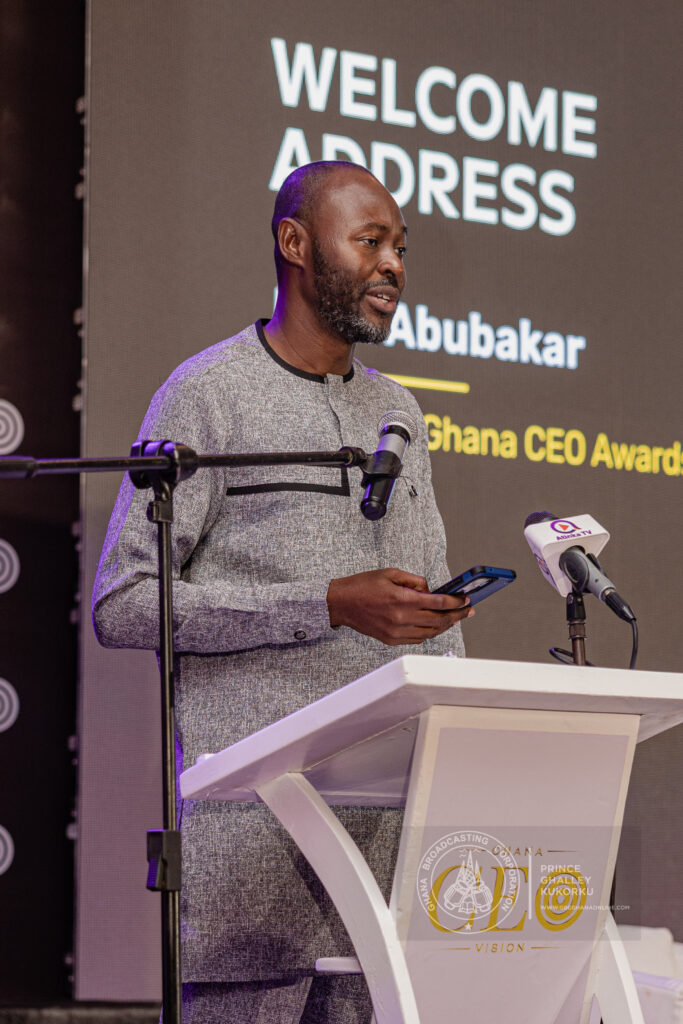
Founder of the Ghana CEO Awards, Latif Abubakar, says the private sector must play a critical role in Ghana’s Reset Agenda, stressing that government alone cannot deliver the transformation the country needs.
According to Latif Abubakar, “achieving Ghana’s development ambitions requires bold ideas, responsible leadership, strategic partnerships and the courage to turn challenges into opportunities”.
Mr Abubakar was speaking at the Ghana CEO Vision and Awards High-Level Dialogue, held under the theme, “Reimagining Ghana’s Future: CEOs at the Heart of the Reset Agenda.”
The dialogue brought together business leaders and development experts to explore how chief executives and the private sector can contribute to national development through innovation, investment and effective partnerships.
Chairman of the event and Chief Executive of Ishmael Yamson and Associates, Dr Ishmael Yamson, in his opening remarks, expressed strong support for the reset agenda, saying it places responsibility for national development where it belongs.
He said the agenda presents an opportunity to rethink the country’s development priorities and encourage greater responsibility among stakeholders.
The Director of UNESCO -Ghana, Edmond Moukala, raised concerns about urban growth outpacing the development of formal infrastructure, while rural communities continue to lack access to basic water and sanitation services.
Highlighting the challenges of rapid urbanisation underscores the need for development strategies that respond to the growing needs of communities and ensure that essential services reach those who need them especially in peri-urban and rural communities as well as in urban communities.

A key session at the dialogue focused on “People, Skills and Services: Building the Human Engine of the Reset.” Business leaders, including Dr. Daniel McKorley of MacDan Group, and other experts discussed the importance of developing the skills, human capital and services needed to drive Ghana’s transformation.
The dialogue forms part of broader conversations on the role of corporate leadership in shaping Ghana’s future, with emphasis on how the private sector can complement government efforts to address development challenges and create new opportunities for growth.