By: Nana Karikari, Senior Global Affairs Correspondent
The International Monetary Fund has endorsed Ghana’s economic recovery, citing accelerating growth, low inflation, and improving public finances, while warning that declining foreign exchange reserves require immediate structural interventions.
Following a two-week mission to Accra from October 22 to November 4, Fund officials announced in a statement issued Thursday, November 5, a staff-level agreement on the first review of Ghana’s 36-month Policy Coordination Instrument.
The agreement remains subject to final approval by IMF Management and the Executive Board.
The endorsement reflects Ghana’s transition following the completion of its $3 billion Extended Credit Facility program, which concluded its final review on July 27, 2026. Under the non-financing Policy Coordination Instrument, Ghana maintains technical cooperation with the Fund to monitor structural reforms without receiving additional emergency loans. This exit from active financing marks a shift toward policy-driven reform monitoring.
Growth Accelerates Alongside Declining Inflation
Ghana’s macroeconomic performance showed substantial momentum through the first half of 2026. Driven primarily by investment, the nation’s gross domestic product expanded by 6.2 per cent in the first six months of the year, leading the IMF to project a full-year growth rate of 5.7 per cent.
Price pressures have eased significantly across domestic markets. Consumer inflation fell to 5.5 per cent in October, dropping below the Bank of Ghana’s target range of six to 10 per cent.
“Macroeconomic stability is becoming entrenched,” said IMF Mission Chief Ruben Atoyan in a statement following the consultations.
Fiscal consolidation has supported the broader recovery. According to the Fund, the primary fiscal surplus remains on course to meet year-end targets, supported by recent reductions in overall public debt levels.
“The fiscal position is strong, with the primary surplus on track to meet the end-year program target, and public debt remains low following rapid declines in recent years,” Mr. Atoyan said.
Fund officials noted that these accumulated fiscal buffers enabled Ghana to absorb external shocks, including trade disruptions stemming from conflict in the Middle East.
Reserve Losses Force Forex and Mining Sector Changes
Despite strong domestic growth, declining foreign exchange reserves have introduced fresh vulnerabilities to Ghana’s external balances. In response, Ghanaian authorities initiated policy shifts to stabilize currency operations and secure hard currency.
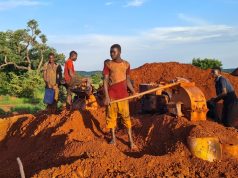
The government shifted foreign exchange intermediation from the Bank of Ghana to GoldBod, while simultaneously increasing the mandatory gold sale requirement for large-scale mining operations operating within the country.
While the IMF statement did not disclose the precise magnitude of recent reserve declines or the specific percentage increase in gold surrender requirements, Fund staff described the measures as necessary adjustments.
“Despite this progress, vulnerabilities persist, particularly from the external sector,” the IMF team noted, adding that sustained implementation of the new arrangements and greater exchange rate flexibility are essential to rebuild external reserves.
The Fund confirmed that performance under the Policy Coordination Instrument was “broadly satisfactory” and that “most quantitative targets under this review are met.”
Structural Reforms Progress Despite Sectoral Pressures
Ghana continues to advance structural adjustments mandated under its reform program. Recent policy measures include parliamentary passage of a new Cocoa Board Act alongside ongoing quarterly adjustments to retail electricity tariffs.
However, transparency hurdles remain. The IMF highlighted that the publication of an independent audit covering the Electricity Company of Ghana’s collection accounts remains delayed.
Looking ahead, Ghana’s fiscal framework relies heavily on its upcoming budget planning.
“The 2027 Budget is built on strong foundations,” Mr. Atoyan stated.
The prospective budget targets a primary surplus of 0.5 per cent of GDP, allocating fiscal room for infrastructure development, public investment, and job creation. To protect these allocations, the Fund emphasized the necessity of rigorous project appraisal, competitive procurement procedures, and strict spending controls.
External Shocks and Refinancing Needs Present Ongoing Risks
Significant downside risks continue to threaten Ghana’s economic trajectory. Externally, the economy remains exposed to price volatility across its core export commodities—gold, cocoa, and crude oil—as well as tightening global financial conditions.
Domestically, high debt refinancing requirements present continuous fiscal pressure. The Fund specifically pointed to budget strains within the energy, cocoa, and gold sectors, alongside lingering structural weaknesses within the domestic financial industry.
To safeguard the economic recovery, the IMF urged authorities to establish a sinking fund dedicated to servicing maturing debt obligations, maintain prudent monetary policy, enforce governance standards, and restore foreign exchange buffers.
Navigating the Path to Long-Term Stability
Ghana’s transition from emergency financial support to policy coordination represents a pivotal moment in its economic trajectory. While entrenched macroeconomic stability, robust growth, and cooling inflation validate recent policy reforms, persistent external vulnerabilities underscore the delicate nature of the recovery.
The ultimate success of Ghana’s strategy will depend on maintaining fiscal discipline, rebuilding foreign reserves, and executing structural reforms across energy and commodity sectors. By balancing growth-oriented investments with prudent debt management, the nation aims to insulate its economy against global volatility and maintain sustainable, long-term stability.