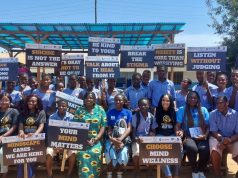
They usually check passports at the borders. On Friday, they were raising awareness about breast cancer in Wa.
Female officers of the Ghana Immigration Service, Ghana Police Service and Ghana Prisons Service took to the principal streets of Wa in a float, dressed in their uniforms and wearing pink ribbons, as they marked Breast Cancer Awareness Month.
The exercise turned parts of the Upper West Regional capital pink, drawing attention to the importance of breast cancer awareness, prevention and early detection.
Leading the campaign was Deputy Superintendent of Immigration (DSI) Prospera Soliku, President of the Immigration Ladies Association (IMMILAC) in the Upper West Region.
In recent years, DSI Soliku has championed the welfare, health and professional development of female officers under her leadership of the association’s regional chapter.
Under her presidency, IMMILAC’s annual Pink October campaign has evolved from an internal sensitisation programme for members into a community-wide initiative involving sister security services and the general public.
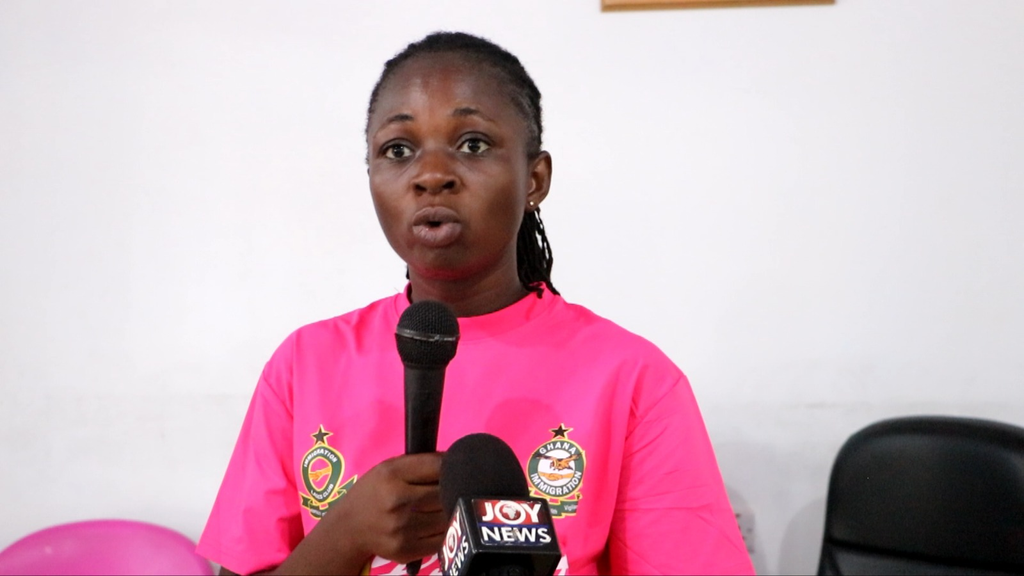
This year’s campaign, however, carried a deeply personal message for the IMMILAC President, who disclosed that she had lost loved ones to breast cancer.
“This cause is deeply personal to me. I lost my beloved aunt, who actually cut my wedding cake, as well as a close friend and her sister to this breast cancer,” DSI Soliku told officers at the Regional Headquarters of the Ghana Immigration Service, where the float ended.
Held under the theme “Every Story Is Unique, Every Journey Matters,” the exercise sought to raise awareness about breast cancer prevention and the importance of early detection.
“October, particularly known as Pink October, is Breast Cancer Awareness Month. Our theme this year reminds us that everyone affected by breast cancer deserves care, compassion, and support,” she said.
Beyond the street procession, the campaign focused on educating participants about breast cancer, its risk factors and the importance of seeking medical attention early.
Health Promotion Officer at the Wa Municipal Hospital, Leticia Yuorkuu, took participants through the causes, risk factors and prevention of the disease.
“Breast cancer is caused by genetic mutation of the DNA. It is inherited or acquired through our lifestyle and environment. It does not spread from person to person either by air, sex, blood or food,” she explained.
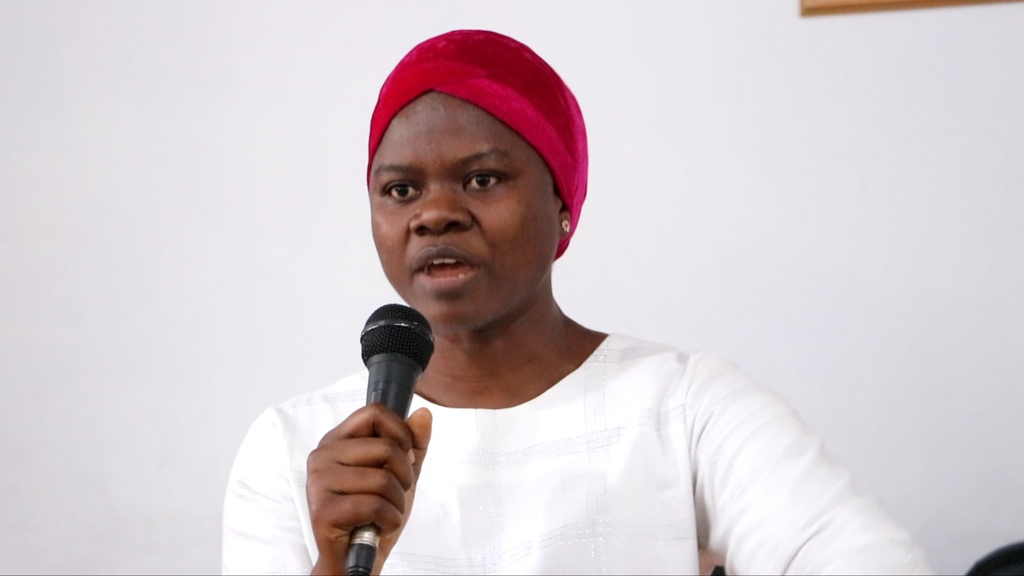
She identified alcohol consumption, smoking, an unhealthy diet, obesity, lack of exercise, early menarche, late menopause and late childbirth as factors associated with an increased risk of breast cancer.
Ms Yuorkuu also addressed a common misconception about breastfeeding and breast cancer prevention.
“Suckling by babies can actually help women prevent breast cancer. But sucking by men does not help. Sucking by men is a way of pleasure during sexual activities,” she said, drawing laughter from participants.
Medical Officer at the Upper West Regional Hospital, Dr Adam Mansura, cautioned that cancer could spread without obvious symptoms and sought to dispel misconceptions about breast cancer treatment.
“Cancer on its own doesn’t cause pain, but that doesn’t mean you cannot have cancer and have pain. That’s why there’s a need to assess and examine. Not every breast cancer treatment leads to removal of the breast. Early detection, early diagnosis saves us. If you are able to detect it early and start your treatment early, you may not have to go through removal,” she stressed.

Dr Mansura explained that breast cancer could spread to other parts of the body, including the back, brain, hip, lungs and liver. She also noted that not every breast lump was cancerous.
She demonstrated two methods of breast self-examination: using a mirror and examining the breasts while lying on a flat surface.
Participants were advised to look out for lumps, changes in breast size or shape, skin discolouration, nipple discharge and other unusual changes in the breasts.
At the close of the event, the Regional Commander of the Ghana Immigration Service in the Upper West Region, DCOI Justice Ayensu Bosomtwe, urged officers to take their physical fitness seriously.
“You cannot be a security officer and not be fit. When you are called for PT, you don’t expect us to beg you. When persuasion fails, I will do what I feel is right to keep you fit. Because I believe that when we do some of these exercises, at least it will minimise our chances of getting this dreaded disease,” he said.
He added that he would enforce physical training as a mandatory parade to encourage officers to exercise regularly.
The programme also included free breast screening for participants and members of the public by a medical team from the Upper West Regional Hospital.
Those present included the Regional Second-in-Command, the Regional Passport Director, media representatives, officers from sister security services and members of the Immigration Men’s Association, who joined the ladies in supporting the campaign.
The organisers stressed the importance of sustaining breast cancer awareness beyond October, encouraging people to prioritise early detection, screening and access to accurate information.
DISCLAIMER: The Views, Comments, Opinions, Contributions and Statements made by Readers and Contributors on this platform do not necessarily represent the views or policy of Multimedia Group Limited.
DISCLAIMER: The Views, Comments, Opinions, Contributions and Statements made by Readers and Contributors on this platform do not necessarily represent the views or policy of Multimedia Group Limited.
Source link