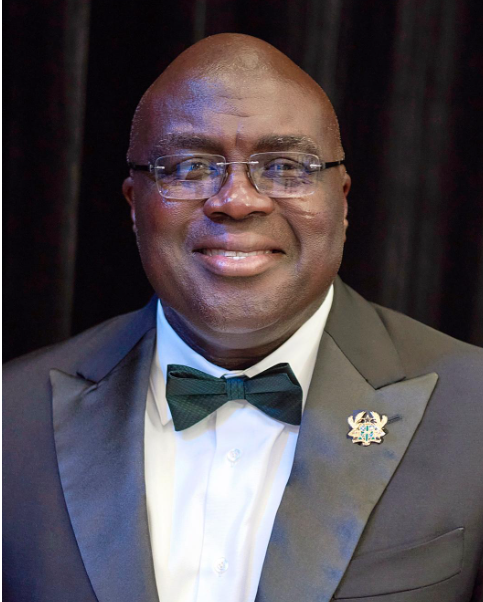
By Peter Justice GARIBA
In the often-turbulent arena of governance, where rhetoric frequently outweighs results, a different kind of leadership quietly commands attention—measured, deliberate, and deeply human. At the centre of this rare approach stands Julius Debrah, Chief of Staff to President John Dramani Mahama. His leadership style is not built on noise, but on impact; not on division, but on connection.
Julius Debrah represents a form of political maturity that is increasingly scarce. He is widely regarded as a human-centric leader—one who understands that governance is ultimately about people, not just policies. His ability to engage across social classes, political divides, and institutional boundaries has made him a stabilizing force within the corridors of power in Ghana. Whether interacting with grassroots communities, civil servants, or political opponents, his approach remains consistent: respectful, attentive, and purposeful.
What sets him apart even further is his rare ability to blend firmness with approachability. In a political climate often marked by hostility, Debrah has cultivated relationships across party lines without compromising his principles. He is not easily swayed, yet he is always willing to listen. This balance—being open but not weak, firm but not rigid—has earned him both respect and, at times, quiet apprehension. Opponents know he is not a man of empty promises; when he speaks, it is measured, and when he acts, it is decisive.
Indeed, Julius Debrah is a man of few words, but decisive action seems embedded in his very nature. Colleagues often note that he does not seek the spotlight, yet his influence is unmistakable. His leadership philosophy reflects a deep understanding that real progress is not driven by constant talking, but by consistent delivery. In many ways, his silence carries more weight than the loud declarations of others.
Throughout his tenure, his contributions have been both strategic and impactful. He has played a pivotal role in strengthening coordination within government, ensuring that ministries and agencies operate with greater alignment and efficiency. Under his stewardship, administrative bottlenecks have been reduced, and decision-making processes have become more streamlined. His emphasis on discipline and accountability has reinforced a culture of performance within the presidency.
Beyond internal governance, Debrah has also been instrumental in fostering national cohesion. His behind-the-scenes engagements have helped ease political tensions and build bridges where divisions once seemed insurmountable. This quiet diplomacy has contributed significantly to maintaining stability and promoting a sense of collective national purpose.
Another notable achievement lies in his commitment to inclusive governance. He has championed initiatives that prioritize stakeholder engagement, ensuring that policies are not only formulated at the top but are informed by voices from across the country. This has strengthened public trust and reinforced the idea that leadership must remain connected to the people it serves.
Perhaps his greatest strength, however, is his ability to rise above politics while still operating effectively within it. Julius Debrah does not merely play the political game—he transcends it. His focus remains firmly on the nation, not on partisan victories. In an era where political loyalty often overshadows national interest, his example serves as a reminder that true leadership is about stewardship, not self-interest.
In the final analysis, Julius Debrah embodies a quiet power—one rooted in discipline, empathy, and unwavering commitment to country. He may not dominate headlines, but his work resonates where it matters most: in the steady, purposeful movement of a nation forward.
Post Views: 22
Discover more from The Business & Financial Times
Subscribe to get the latest posts sent to your email.